How Automation Reshaped Cockpit Crews: The DC-10 vs. MD-11 Evolution.

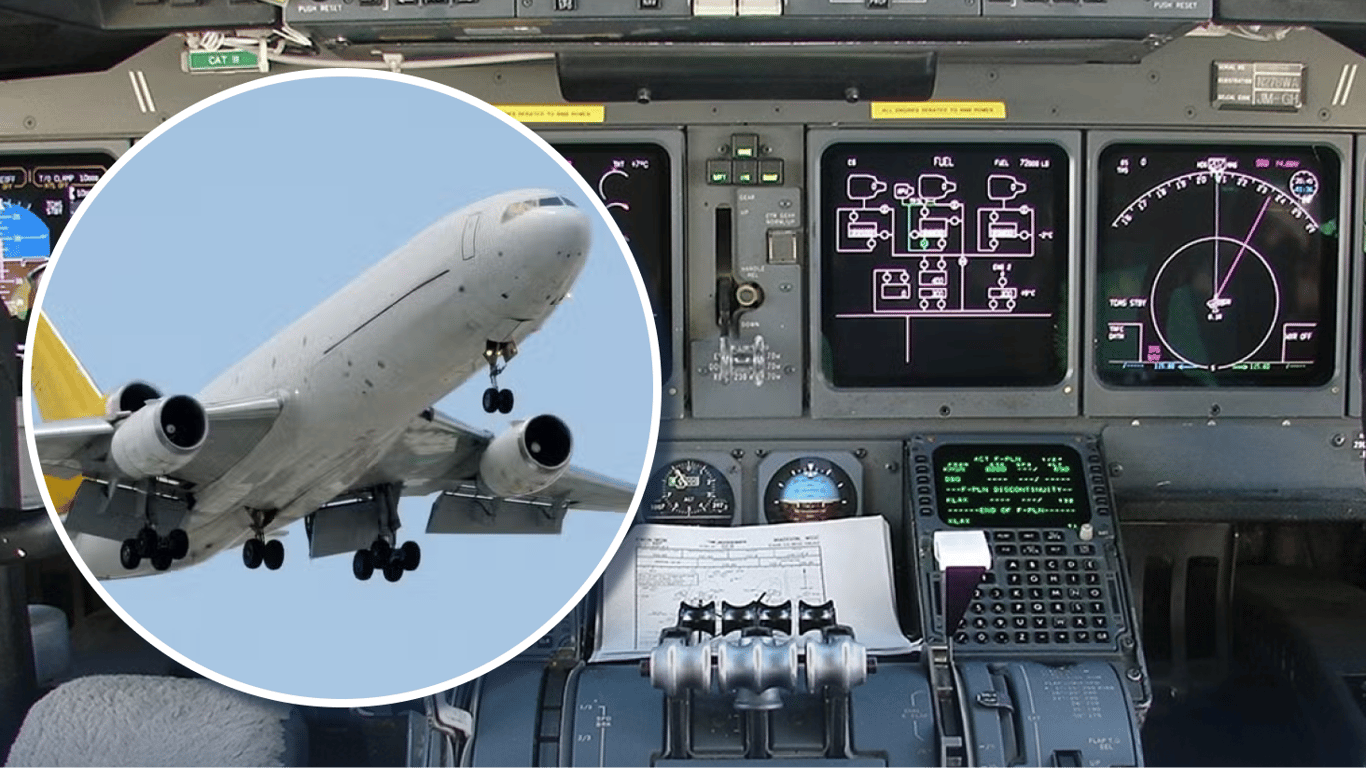
Long-Haul Aircraft: The DC-10 and MD-11
According to Novyny.live: In the realm of long-haul aviation, the DC-10 and MD-11 stand as landmark aircraft from distinct eras of development. They exhibit fundamental differences in design and operation, particularly regarding cockpit crew requirements and flight automation. The earlier DC-10 required a three-person crew: a captain, a first officer, and a flight engineer, with the engineer playing a crucial role in monitoring the aircraft's complex technical systems.
This paradigm shifted with the introduction of the MD-11 in 1990. This aircraft was operated by just two pilots, a change made possible by its advanced level of system automation. The MD-11 featured a sophisticated flight management system that simplified crew workload and enabled the reduction in personnel. Its automated systems represented a significant technological leap, positioning the MD-11 as a transitional model between classic analog aircraft and modern fly-by-wire airliners like the Boeing 777, Boeing 787, and Airbus A350.
Trends in Aviation Development
These shifts in crew composition and flight control systems reflect broader trends in aviation evolution. New-generation aircraft, including the aforementioned Boeing and Airbus models, continue this trajectory of automation, enhancing both flight safety and operational efficiency. The DC-10 and MD-11 remain pivotal chapters in aviation history, illustrating how technology fundamentally transforms pilot roles and aircraft design.
The advancement of aviation technology, especially in automated flight control, has been a key driver in reducing aircraft operating costs and improving safety. The transition to models like the MD-11 showcases the industry's continuous progress, which impacts transportation efficiency and passenger comfort. This evolution also underscores the critical need for pilot training to adapt to new technologies, a core component of modern aviation education. The move from three to two crew members highlights a major cost-saving and efficiency milestone for airlines.
Read also
- NVIDIA to Skip RTX 60 in 2027, Launching RTX 50 Super Instead
- CATL unveils electric truck battery that charges in just 7 minutes
- Chinese Robot Claims Second Consecutive World Title in Humanoid Football Championship
- Samsung Launches Mass Production of PCIe 6.0 SSDs with Read Speeds Reaching 28.4 GB/s
- Smart Glasses Camera Disabled When Indicator Is Damaged: Meta’s New Privacy Update Explained
- NVIDIA Confirms Rigel Core for Rosa Processors: What to Expect from the Upcoming Lineup