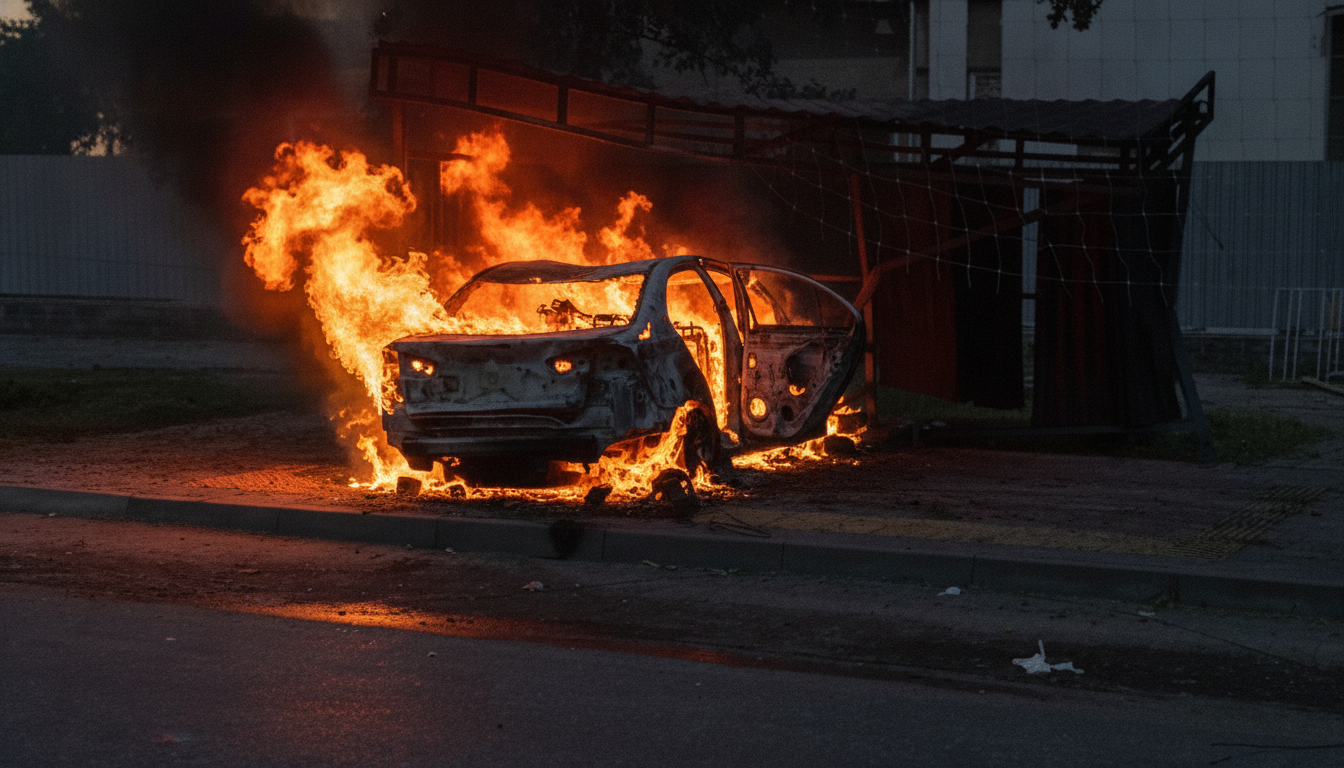
Kherson City Council Member Claims Official Death Toll from Kakhovka Dam Disaster Is Underreported.

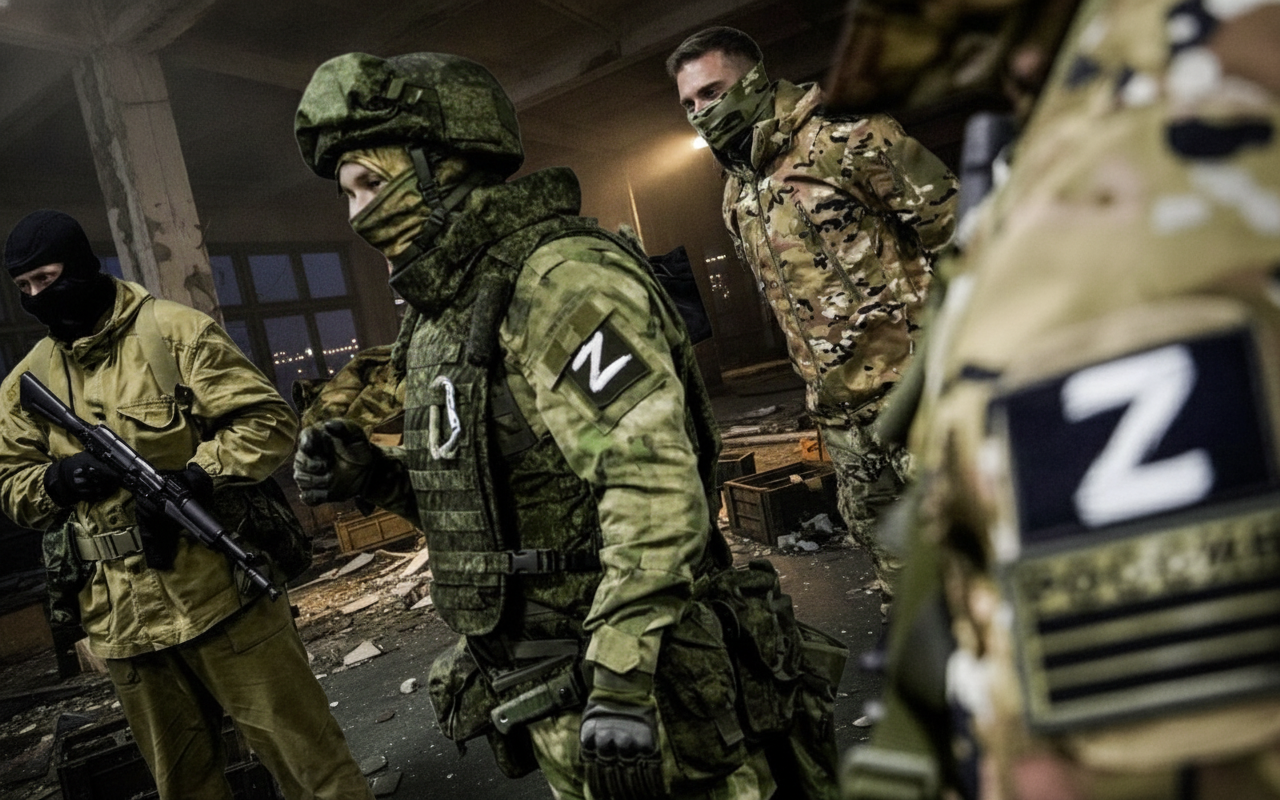
Oksana Pohomiy Speaks Out on the Aftermath of the Kakhovka Dam Explosion
According to Espreso.tv: Oksana Pohomiy, a member of the Kherson City Council, has publicly challenged the official casualty figures following the destruction of the Kakhovka Hydroelectric Power Plant, alleging that the number of deaths is far higher than reported. She suggests that a significant number of people may have lost their lives during the incident. Pohomiy also raises alarms about conditions in occupied areas of the Kherson region, warning that Russian forces are creating circumstances conducive to an outbreak of anthrax.
According to the council member, the occupiers are attempting to conceal their crimes by using livestock infected with anthrax as a cover. She explained that by claiming cattle infected with the disease have been buried in these areas, they deter anyone from investigating what is truly happening. Pohomiy further noted that while Russian forces previously brought in mobile crematoria to hide evidence of their actions, she asserts that those crematoria are now definitely gone.
Humanitarian Crisis Deepens in the Region
These statements have raised serious concerns about the humanitarian situation in the area and the potential health risks for the local population. Towns along the Dnipro River, including Hola Prystan, Oleshky, and Zburivka, now face heightened threats due to the occupiers' actions and the presence of dangerous diseases.
Pohomiy’s remarks underscore the severe challenges confronting residents of the Kherson region amid war and occupation. The destruction of the Kakhovka Dam has triggered a cascade of new problems that threaten to worsen an already dire humanitarian crisis. It is crucial for the international community to pay attention to these issues and take steps to protect the population from the consequences of aggression and potential epidemics.
Read also
- Romanian F-16 Shoots Down Drone Over National Airspace: Key Details on the Incident
- Zaporizhzhia Bombing: 30 Wounded, Including Seven Children, After Russian Airstrike
- Two Wounded, Furniture Store Damaged in July 24 Strike on Odesa
- July 24 Missile Strike on Kyiv: 10 Dead and Nearly 100 Wounded
- Deadly Strikes Hit Kyiv Region and Sloviansk: 11 Killed, Dozens Wounded
- Two Bombs Hit Sloviansk: 5 Killed and 9 Wounded in Russian Strike