Ukrainian Diesel Prices Could Hit 90 Hryvnia Per Liter.

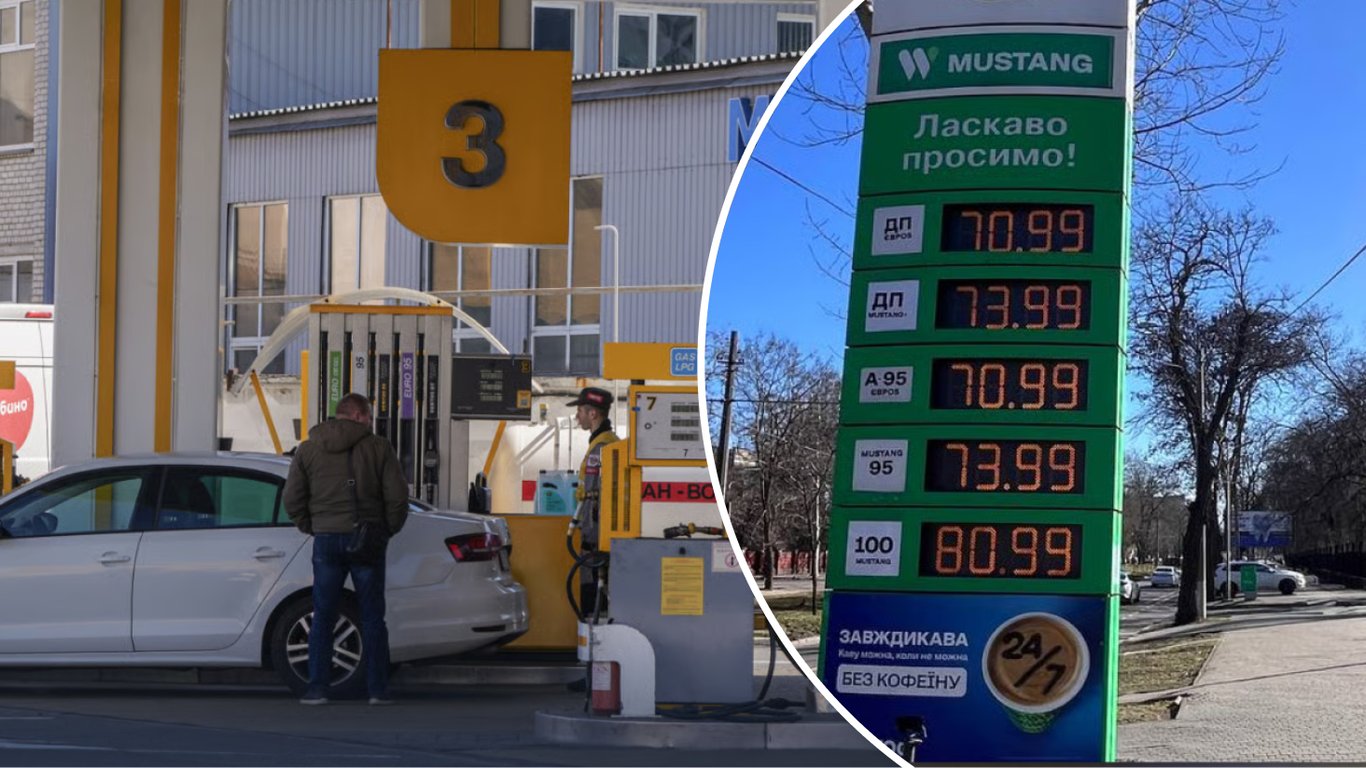
Fuel Price Trends in Ukraine
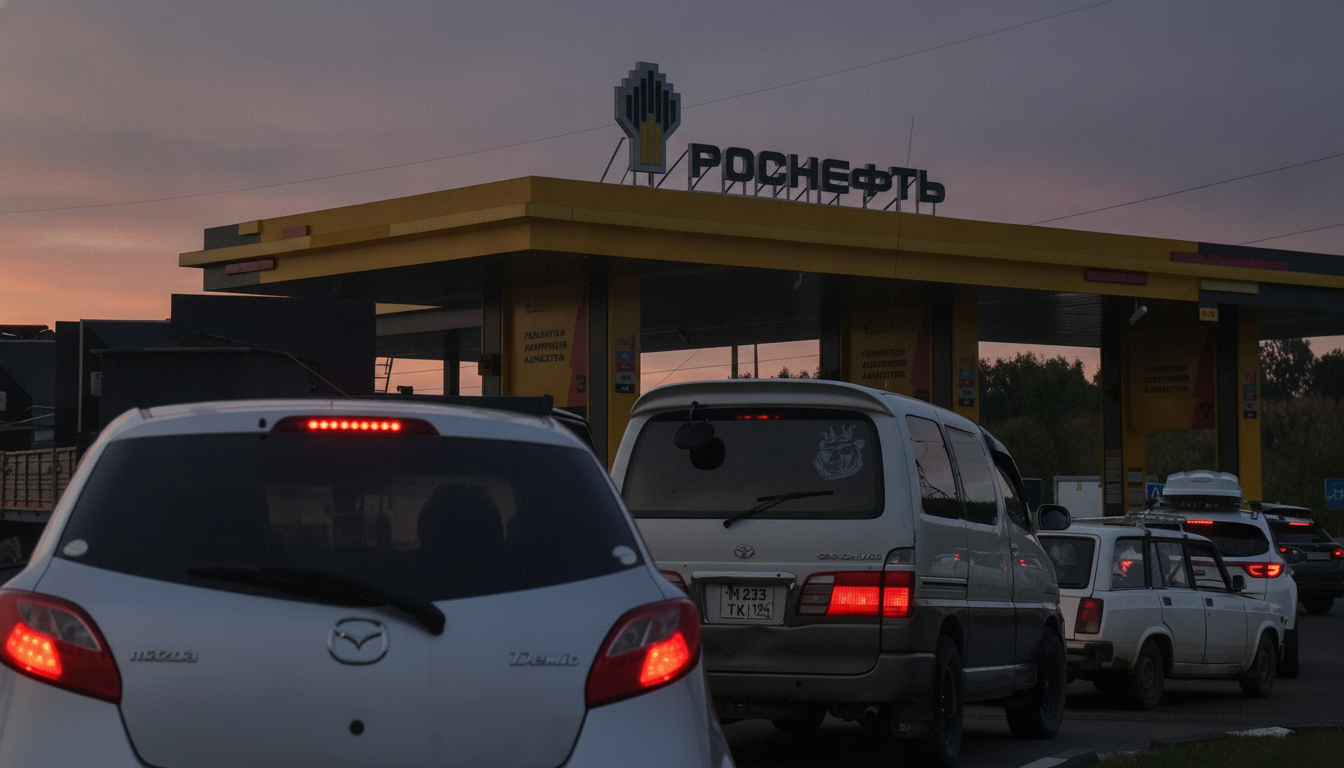
According to Novyny.live: Fuel prices in Ukraine are rising, influenced in part by the ongoing conflict in the Middle East. By the end of this week, the price of diesel could reach 90 UAH per liter. Currently, the average wholesale price for diesel is 82 UAH per liter, while the average price at retail stations is 73 UAH. Notably, taxes account for 30 UAH of a typical 80 UAH per liter price.
In the Kyiv region as of March 9, fuel prices remain stable: 95-octane gasoline starts at 65.25 UAH, and 95+ starts at 69.99 UAH per liter. At the start of the year, oil prices were around $60 per barrel, but experts now warn that fuel could potentially reach 100 UAH per liter. Analyst Oleksiy Kushch believes such a price increase is entirely plausible.
Expert Analysis and Forecasts
Another expert, Serhiy Kuyun, noted that by the end of the week, diesel prices will likely trend toward 80 UAH per liter. He also pointed out that if the VAT rate were cut by two-thirds—to 7%—the price per liter could drop by approximately 10 hryvnias. This potential tax relief could be a significant factor for consumers already feeling the strain of rising fuel costs.
The situation is causing concern among Ukrainian consumers, as higher fuel costs directly impact the price of goods and services throughout the economy. Amid global economic shifts and political conflicts, fuel prices are being closely monitored by both the government and market analysts. While consumers hope for a change in the market soon, the current upward trend in prices shows no immediate signs of reversal.
The surge in Ukrainian fuel prices stems not only from domestic economic factors but also from global events like Middle Eastern conflicts, which disrupt world oil markets. Given the unpredictability of energy costs, the government's response—which may include tax adjustments or other regulatory measures—will be crucial. Consumers, in turn, should prepare for the likelihood of increased daily expenses due to higher fuel costs.
Read also
- Drone Strikes on Refineries Trigger Fuel Crisis in Russia: One in Five Trucks Now Idle
- Russia’s Economy Shows Cracks as Stock Indexes and Business Sentiment Plunge to New Lows
- Russian Billionaire Andrey Melnichenko Shares His Vision for Russia’s Post-War Future
- Fuel Crisis in Russia Exposed by Intelligence: Gasoline Prices Surge by a Third
- Global Fuel Markets Shaken as Ukrainian Drones Undermine Russian Control
- Russian Business Owners Are Moving Billions Abroad Amid Fears of Asset Seizure and Forced War Funding