The Hidden Purpose of White Lines on Solar Panels: A Key Feature You Never Knew About.

How Solar Panels Generate Electricity: The Role of White Grid Lines
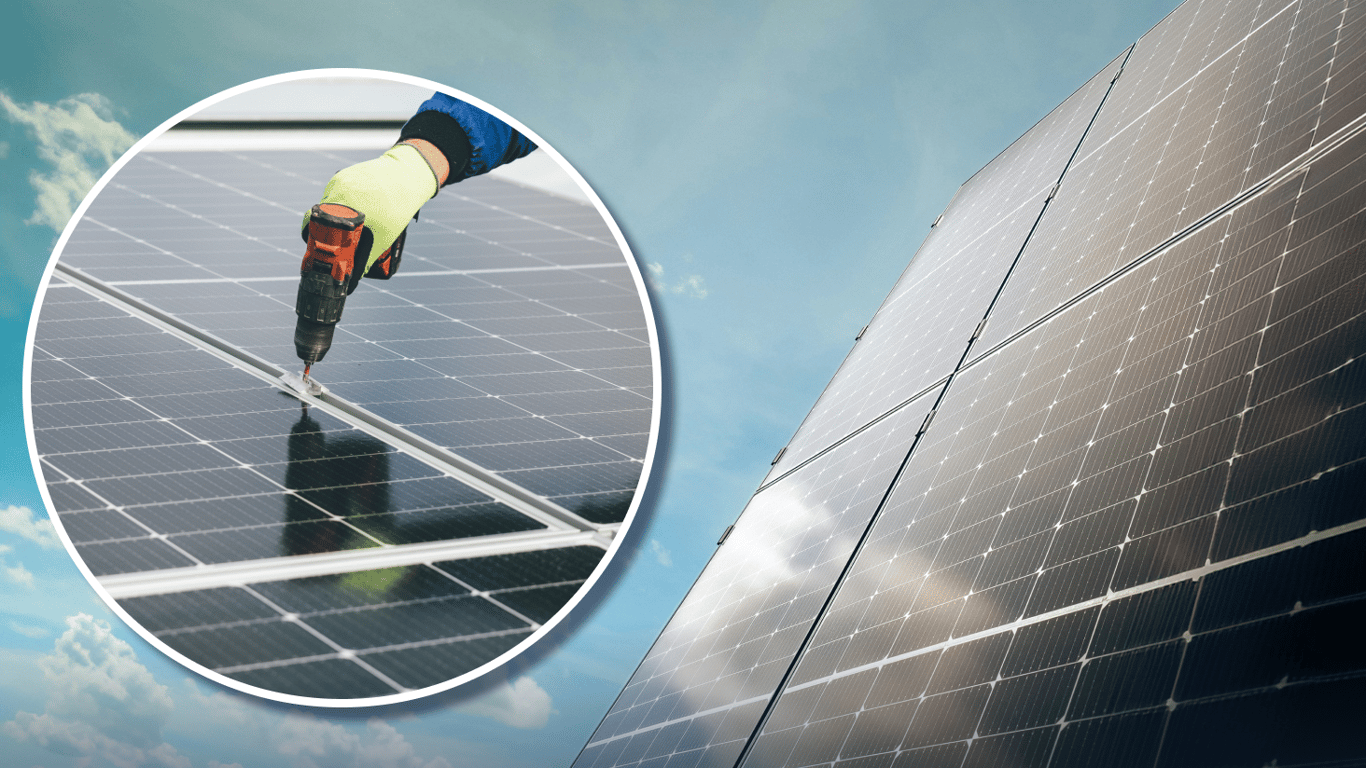
According to Novyny.live: Solar panels are critical for electricity generation, and their design—especially the white lines on their surface—plays a vital role in efficiently moving the energy produced by photovoltaic cells. Each panel is made up of solar cells built from silicon wafers, which are treated with boron and phosphorus additives. On the surface of these cells, you will notice two types of grid lines: thin ones called 'fingers' and thicker ones known as 'busbars.'
The thinner 'fingers' act as pathways for electrons to travel, while the thicker 'busbars' collect the generated energy. Once energy is produced, it flows through these lines on the solar cell and is then sent to an inverter. The inverter converts direct current (DC) into alternating current (AC), which is required to power household appliances.
Challenges and Emerging Technologies in Solar Energy
Australia is a global leader in rooftop solar panel installations. However, this widespread adoption brings new challenges, particularly the growing problem of managing discarded solar modules. New technologies are emerging in the solar energy sector, including flexible materials that could reshape how solar power is used in the future.
In short, the white lines on solar panels do more than just ensure efficient energy transfer—they also highlight the importance of innovation in renewable energy development.
The rising popularity of solar panels in Australia reflects the country's active shift toward renewable energy, a crucial step in combating climate change. Yet, alongside these benefits come new environmental concerns, especially regarding the disposal of old panels. The development of advanced technologies, such as flexible materials, may help address these issues and drive further progress in solar energy.
Read also
- How to Spot a Failing Car Alternator: Key Warning Signs and Noises
- Ukraine’s Innovation Speed Called a Game-Changer by NATO: What Comes Next
- Toyota Tops Reliability Rankings: These Cars Can Go 400,000 km
- Gboard Is Leaking Your Data: How Android Keyboards Track Users
- First Ukrainian Arms Export: U.S. Military Acquires F10 FPV Drones from F-Drones
- 5 Simple Smartphone Settings to Extend Battery Life Without Charging