Russia's Oil and Gas Revenue Set to Halve, Raising Economic Alarm.

Russia's Economic Outlook Amid Declining Energy Income
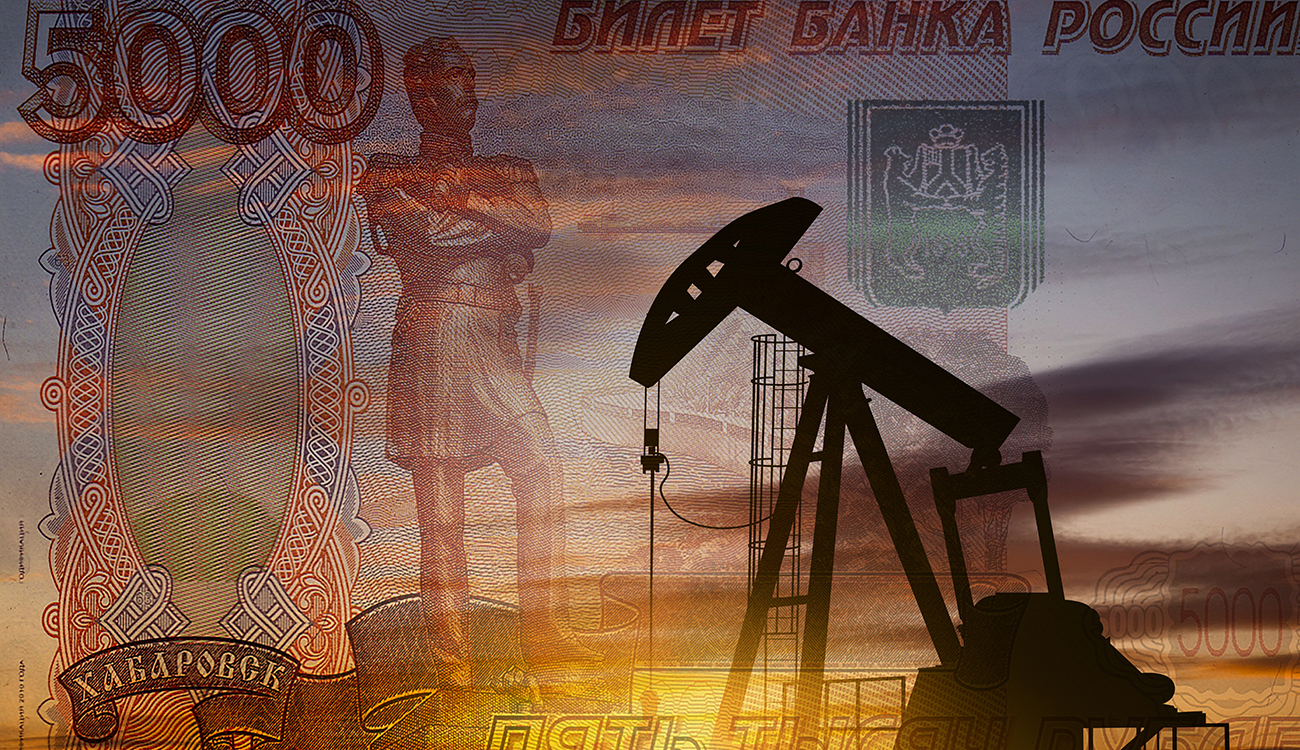
According to UATV: Russia's federal budget is facing a severe contraction in its crucial oil and gas revenues, a trend that is already contributing to a sharp rise in corporate defaults. Economic analysts are particularly concerned by projections showing these revenues could be nearly halved by February 2026. This sector has long been the cornerstone of the state's finances and its decline signals profound challenges ahead.
Forecasts indicate that Russia's oil and gas income for February 2026 may plummet to approximately 410 billion rubles. For comparison, total receipts for January-February 2026 are projected to reach only about 800 billion rubles. This represents a dramatic fall from the more than 1.5 trillion rubles collected in the same two-month period just a year earlier, pointing to deep-seated issues within the nation's energy sector.
Oil Market Pressures and Financial Instability
Compounding the problem, the global oil market is adding to the pressure. The price for Russia's key export crude has dropped below $40 per barrel, severely impacting export profitability and, by extension, budget revenues. Experts further anticipate a reduction in seaborne exports of oil products in February 2026, a move that could intensify the economic crisis.
These mounting economic challenges are manifesting in the financial sector, where the number of corporate defaults in Russia doubled in January 2026 alone. This statistic underscores the growing financial distress within the country, which is likely to have lasting repercussions. The coming months will be critical for the Russian economy as it grapples with the severe challenge of declining income from its traditional resource base.
The steep drop in oil and gas revenue highlights potential structural weaknesses in Russia's economy, with long-term implications for the national budget and public welfare. The combination of reduced fuel exports and rising defaults threatens to increase social tension and economic instability, necessitating urgent government action to stabilize the situation.
Read also
- Fuel Shortage Spreads Across Russia as Moscow Diverts Siberian Gasoline Supplies
- Russia Sells Off Gold at Record Pace: Central Bank Unloads 44 Tons in Six Months
- Russia’s Wheat Exports Set to Hit Lowest Level Since 2017 – Here’s Why
- Wildberries Warehouse Fires Cause 180 Billion Rubles in Damages: Assessing Russia's Losses
- Kazakhstan Oil Exports at Risk as Caspian Pipeline Shuts Down Operations
- Asian gasoline imports mark Russia's fuel crisis spanning 11 time zones