Spanish airport for 1.1 billion euros failed: why the billion-dollar investment became a 'ghost'.

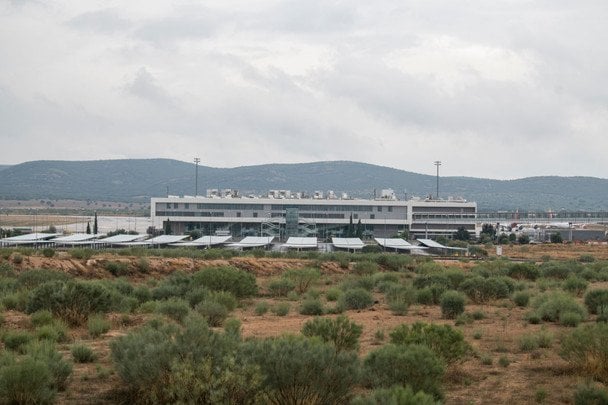
According to ТСН: The Spanish airport Ciudad Real, built for over 1.1 billion euros and designed as a major aviation hub, closed just three years after opening, earning the nickname 'ghost airport'. There were several reasons for this: low demand, lack of railway connections, and accumulated debts.
The airport opened in 2009 with the aim of becoming an important hub that would reduce the load on other airports in the country and attract low-cost airlines from Europe. However, just three years later, the airport's operations were halted, causing a negative reputation.
History and problems of the airport
The project began during a construction boom in Spain, and hopes were very high. The 4.1 km runway became one of the longest in Europe, and the terminal could serve up to 10 million passengers a year. Investors considered the project profitable and were willing to invest.
The airport was planned as an alternative to Madrid, promising direct connections with the high-speed train Madrid–Sevilla. However, right from the start, difficulties arose: the airport was located 200 km from the capital, making it hard for many people to travel such a distance even for cheaper ticket prices. The situation was exacerbated by the lack of a high-speed train station, which still had not been built, as well as environmental disputes that delayed the opening and increased costs.
Airlines such as Air Berlin, Air Nostrum, and Ryanair quickly scaled back flights due to a lack of demand. The last airline operating regular flights was Vueling, which ceased its flights in 2011. Ultimately, the airport was left without regular flights less than three years after opening.
Debt and sale of the airport
The airport operator accumulated over 300 million euros in debts and declared bankruptcy in 2012. In April of the same year, all operations were halted, and the airport was effectively recognized as closed.
After investments of 1 billion euros, the airport was put up for auction with a minimum price of 100 million euros, but no buyers were found. In one of the most discussed cases, a Chinese investment company attempted to acquire the airport for 10 million euros, but the offer was quickly rejected. After prolonged attempts to sell, in 2018 the airport was sold for about 56 million euros, significantly less than its construction costs.
Ciudad Real was reopened in 2019, but no longer as a passenger airport — it was repurposed as a storage, maintenance, and dismantling center for aircraft. During the COVID-19 pandemic, the airport was used for storing aircraft but never returned to its original purpose.
British urban researcher Luke Bradburn also visited the abandoned resort Kinugawa Onsen in Japan, which he called a 'ghost town', discovering hotels where drinks were left on tables and rooms had not been used for years, creating a surreal atmosphere.
The situation with Ciudad Real airport serves as a vivid example of the risks of uncontrolled infrastructure development, where forecasts about demand outpace reality. Despite significant investments, the project could not become successful, raising many questions about the planning and management of such facilities. The new phase of the airport's life, now used for aircraft maintenance, reflects a shift in strategy with a focus on practical needs in the modern air transport market.
Read also
- New U.S. Tariffs Hit 60 Nations: Here Are the Rates for the EU and Russia
- Russia’s Oil and Gas Revenue Set to Surge by 60%—Here’s What’s Driving the Jump
- IMF Disburses $690 Million Second Tranche to Ukraine: Where the Funds Are Going
- Russia’s Budget Deficit Could Hit 7 Trillion Rubles—What Are the Default Risks?
- Expert Sets Critical Threshold: 60% of Russia's Oil Refining Capacity Must Be Destroyed
- Russia Faces Imminent Fuel Crisis: Why Refinery Recovery Is Nearly Impossible, Expert Warns