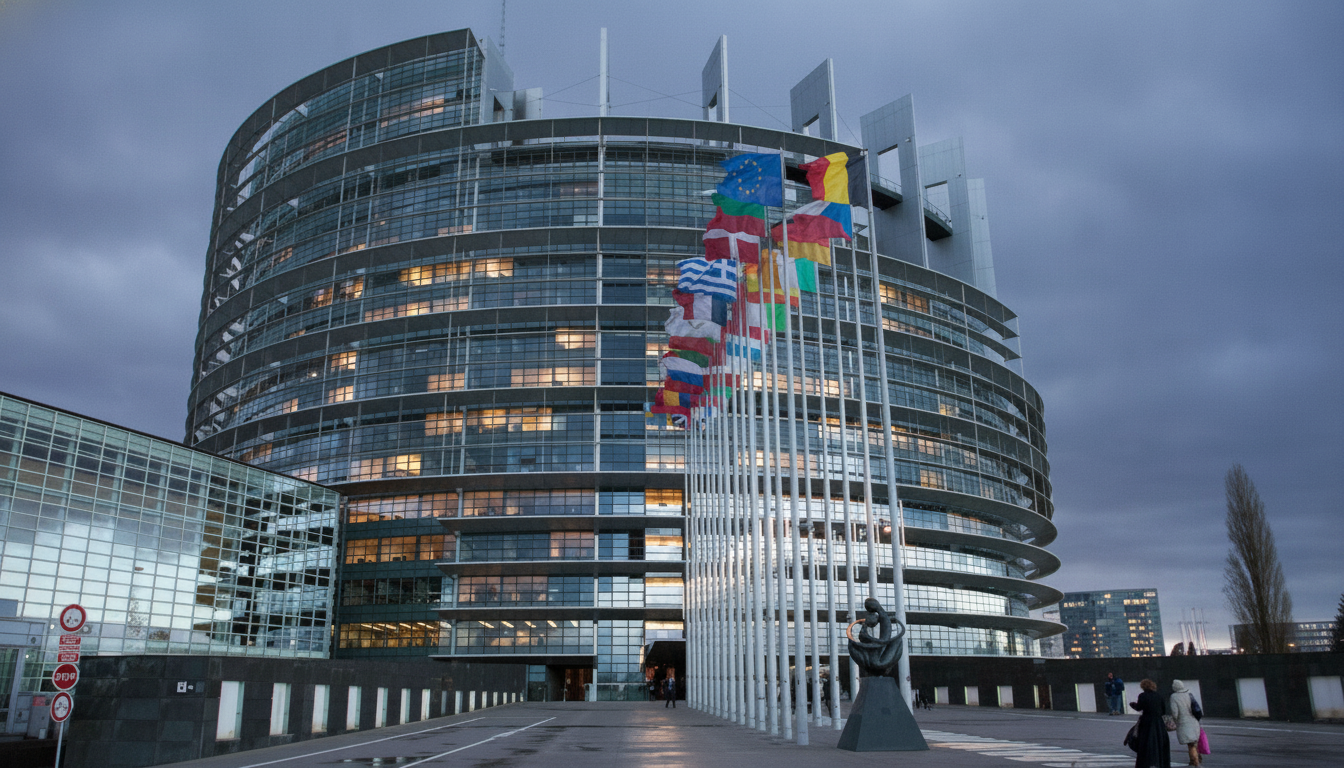
Why the Kremlin Is the Weakest Link as Ukraine’s Defense Forces Grow Stronger, Expert Says.

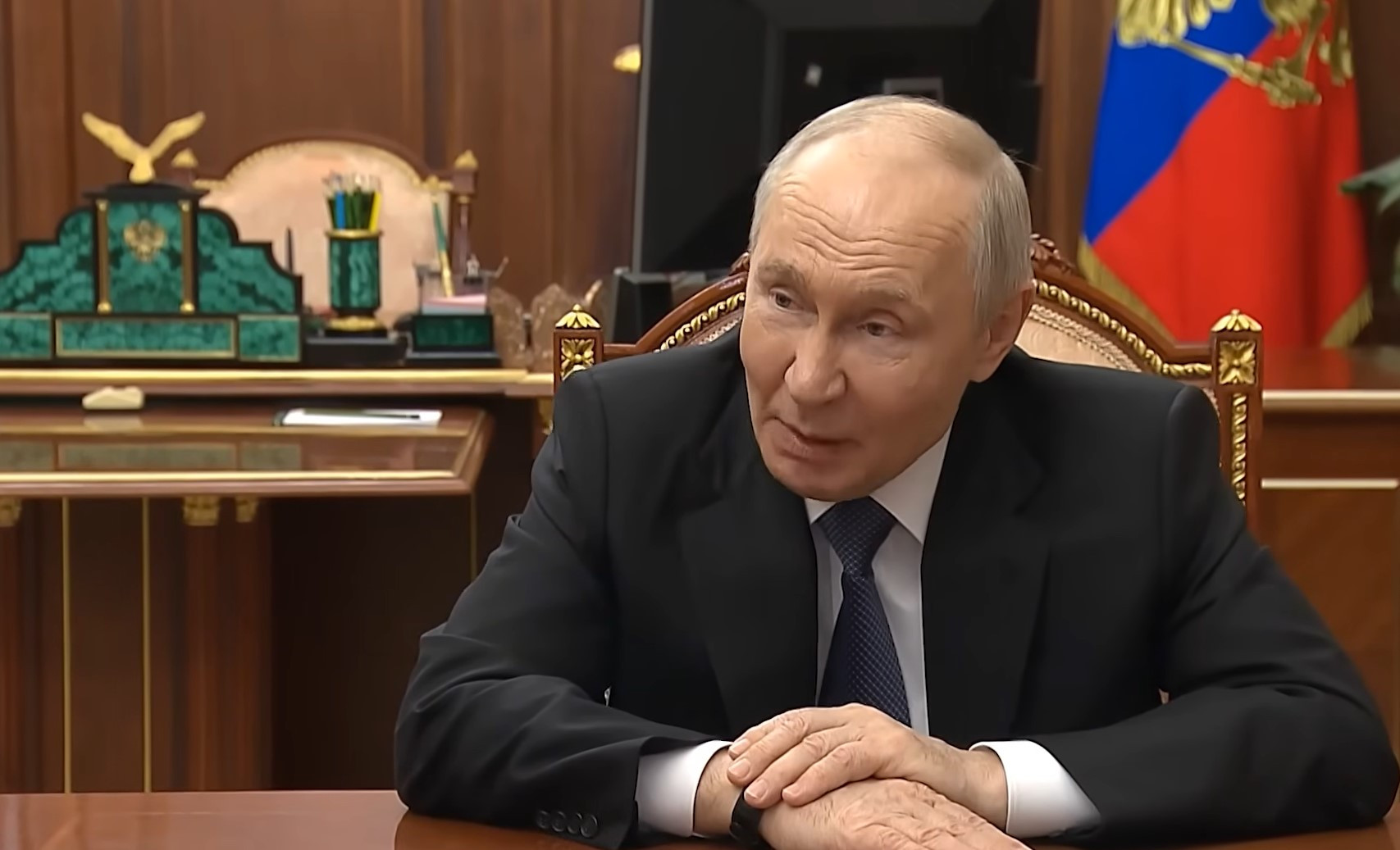
Ukraine’s Defense Forces Show Rising Effectiveness
According to Espreso.tv: According to Ihor Chalenko, head of the Center for Analysis and Strategies, Ukraine’s defense forces are becoming increasingly effective, demonstrating the ability to strike targets inside Russia—including Moscow. He emphasizes that this leaves the Kremlin as the most vulnerable party in any potential negotiations. Chalenko argues that attacks on Moscow carry a strong psychological impact, exposing the fragility of both the Russian state and its leadership.
Chalenko also points to a noticeable political inertia in the ongoing conflict, with Ukraine’s defense forces consistently securing tactical gains. He notes that Vladimir Putin has not shifted his stance on Ukraine and continues to reject a ceasefire along the current front lines. This stubbornness, Chalenko warns, could backfire badly for the Russian president, who 'risks losing his greatest asset.'
Key Topics Under Discussion
A major issue raised by Chalenko is the severing of the R-280 'Novorossiya' highway, a critical land route to the temporarily occupied Crimea. This disruption complicates Russian ground logistics and highlights Ukraine’s growing military capabilities, forcing the Kremlin to reconsider its war strategy. Chalenko reiterates that the Kremlin remains the weakest link in any future talks, a factor that could reshape the conflict’s trajectory.
Chalenko also references the May 9 parade in Russia, a traditional display of military might. He argues that even such grand events cannot mask the deepening weaknesses of the Russian state. As Ukraine’s defense forces continue to gain strength, the Kremlin’s unease grows—underscoring a clear shift in the conflict’s dynamics.
Chalenko’s remarks highlight a new reality on the battlefield, where Ukraine’s forces are increasingly capable of launching offensive operations. Cutting strategic routes like the R-280 highway could severely disrupt Russian military logistics, adding further pressure on the Kremlin.
With negotiations at a standstill, Ukraine’s growing operational activity may force Russia to rethink its approach to the war.
Read also
- History Teacher Banned from Teaching Until 2032 for Justifying Russia’s War
- Can Trump Stop the War? Putin Plans a New Offensive in Donbas
- Ukrainian Strikes on Russian Rear Areas Could Reshape Putin’s Inner Circle, Analyst Suggests
- Kremlin spokesman dismisses Trump’s plan to grant Ukraine a Patriot license as a strategic blunder
- A Shift in Washington’s Stance on Ukraine: What Zelensky and Trump Discussed
- Putin Lives in a Fantasy World, Blind to Russia's Crises, Says Ukrainian Official