How Baltic Sea Restrictions and Sanctions Could Shape the War Against Russia.

Ukraine's Presidential Adviser Outlines Economic Strategy to Pressure Russia
According to UATV: On February 8, Mykhailo Podolyak, an adviser to the Ukrainian President's Office, detailed a strategy to force Russia to end its aggression through economic means. He emphasized that sanctions, the use of frozen assets, and increased military procurement for Ukraine are critical tools. This approach reflects a broader Western strategy to cripple Russia's war machine without direct military confrontation.
Key Pressure Points on the Russian Economy
Podolyak identified the closure of the Baltic Sea to Russian tankers as a primary lever. This area is a crucial hub for Russian shipping, including the transport of so-called 'shadow' oil. He also noted that India is beginning to reduce its purchases of Russian oil, signaling a decline in global demand for Russian energy exports. The Baltic Sea is a vital maritime corridor for Russia, and restricting access would significantly complicate its energy logistics.
Podolyak stressed that Russia is spending over $150 billion on its war against Ukraine, a figure that necessitates a robust international response. He argued that effective action requires strong support from European partners. Among the other economic measures he highlighted were:
- Sanctions against countries purchasing Russian energy resources;
- The utilization of frozen Russian state assets;
- Increased procurement of military hardware for Ukraine.
According to the presidential adviser, these combined measures could severely impact Russia's economic situation and help bring the conflict in Ukraine to an end.
Podolyak's comments frame economic pressure as a central component of international efforts to halt Russian aggression. Disrupting Baltic Sea traffic and the shrinking demand for Russian oil could amplify the strain on the Russian economy, potentially forcing Moscow to reassess its military ambitions. Cooperation with European allies and the aggressive application of sanctions may prove decisive in this economic struggle.
Read also
- Putin’s Economic Claims Exposed as Manipulation by Ukraine’s Disinformation Center
- Rheinmetall to Double Gunpowder Output: What This Means for Ukraine
- Azerbaijan Steps Up as Europe's Energy Alternative: Gas Deliveries to Germany Already Underway
- IMF Demands Utility Rate Hikes as Naftogaz Debt Surges 63%
- 12 Red Flags for Shell Companies Identified by Ukraine's Central Bank: Banks Ordered to Scrutinize Importers
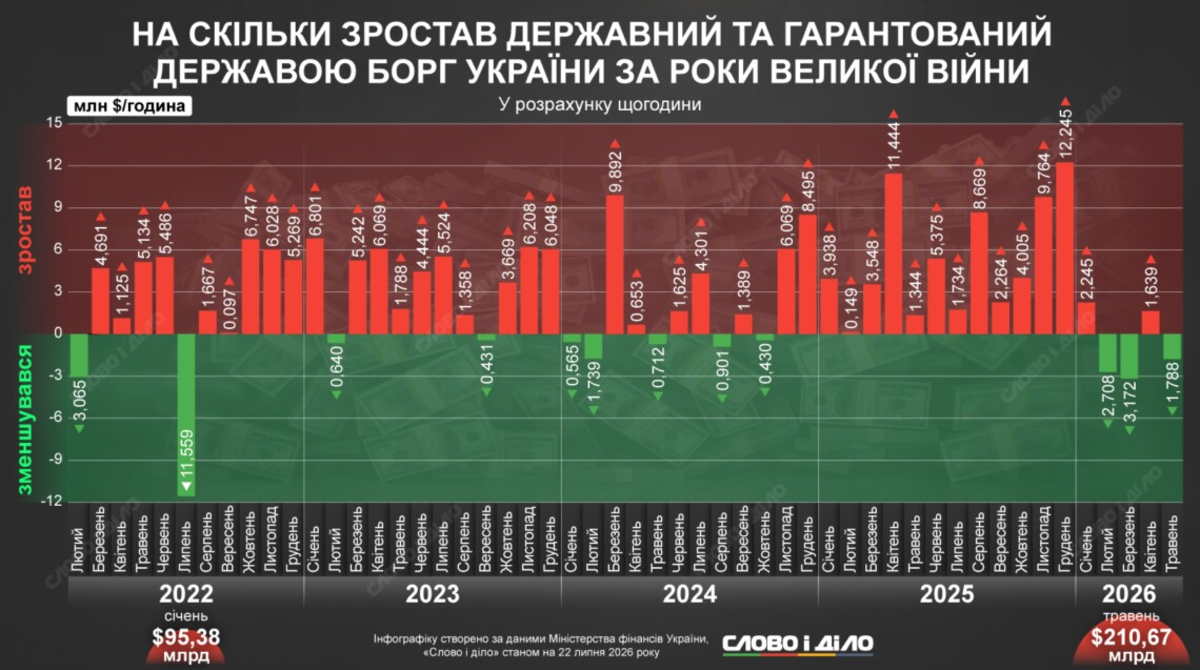
- Ukraine's Debt Surpasses $210 Billion: A Breakdown of Hourly Fluctuations