Fuel Prices in Ukraine Surge to 83 Hryvnias: A Five-Year Price Evolution.

Soaring Fuel Costs in Ukraine
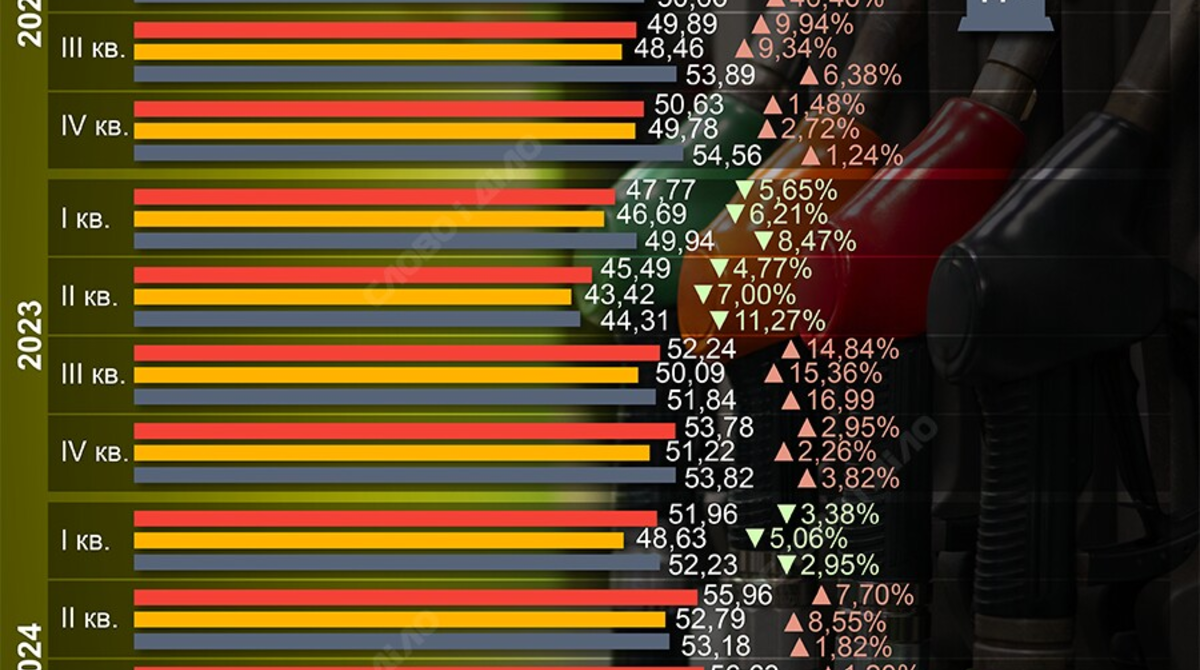
According to Слово і Діло — Інфографіка: Over the past half-decade, Ukraine has witnessed a dramatic increase in fuel prices, a trend largely driven by the ongoing war and its repercussions. A comparison of gasoline and diesel costs reveals how economic pressures have reshaped the country's fuel market, particularly following repeated attacks on gas stations.
According to available data, in 2021, a liter of A-95 gasoline cost 29.11 hryvnias, A-92 was priced at 28.23 hryvnias, and diesel stood at 27.93 hryvnias. By the end of June 2022, these figures had climbed significantly:
- A-95 liter – 45.38 hryvnias
- A-92 liter – 44.32 hryvnias
- Diesel liter – 50.66 hryvnias
Throughout 2023, fuel prices remained relatively steady:
- A-95 liter – 45.49 hryvnias
- A-92 liter – 43.42 hryvnias
- Diesel liter – 44.31 hryvnias
However, in the second quarter of 2024, prices once again began to rise:
- A-95 liter – 55.96 hryvnias
- A-92 liter – 52.79 hryvnias
- Diesel liter – 53.18 hryvnias
By June 2025, the upward trend continued:
- A-95 liter – 56.10 hryvnias
- A-92 liter – 54.03 hryvnias
- Diesel liter – 53.99 hryvnias
In the first quarter of 2026, a liter of A-95 reached 64.64 hryvnias, A-92 hit 61.69 hryvnias, and diesel climbed to 68.97 hryvnias. By the second quarter of 2026, fuel costs surged once more:
- A-95 liter – 74.31 hryvnias
- A-92 liter – 68.60 hryvnias
- Diesel liter – 83.44 hryvnias
Additionally, starting May 1, 2025, Ukraine began selling gasoline blended with alcohol (bioethanol). Then, on July 1, 2026, a new E10 gasoline standard took effect nationwide. These changes are expected to further influence pricing strategies in the fuel sector.
Meanwhile, recent months have seen numerous attacks on fueling stations. Over a span of one month, Russian forces targeted approximately 100 gas stations across Ukraine, significantly impacting fuel availability and costs. In response, the WOG gas station network introduced a special operating schedule starting July 1, 2026, across seven regions to adapt to the new circumstances.
Economic Ramifications of Rising Fuel Prices
In summary, the sharp rise in Ukrainian fuel prices over the last five years stems from a complex mix of factors, including military conflict, shifts in fuel standards, and fluctuations in global oil prices. This situation has sparked concern among consumers and could have serious economic consequences for the nation.
The escalation of fuel costs in Ukraine unfolds against a backdrop of persistent warfare and the introduction of new standards that may alter the market landscape. Ensuring fuel availability during wartime is critical not just for transportation but also for other economic sectors like agriculture and industry. Given the volatile environment, both consumers and businesses must brace for potential further price swings.
Read also
- Online Lending in Ukraine: Key Rules for Staying Financially Safe
- Russia Halts OFZ Auctions After Market Crash as Budget Deficit Hits 5.7 Trillion Rubles
- Ukraine's vegetable exports collapse: tomato shipments drop 16-fold, onion exports plummet 53-fold
- ATB and S.T.A.L.K.E.R. 2 Joint Initiative Named Finalist at Prestigious European Awards
- Fuel Shortage Spreads Across Russia as Moscow Diverts Siberian Gasoline Supplies
- Russia Sells Off Gold at Record Pace: Central Bank Unloads 44 Tons in Six Months