Economic Strain Forces Russia to Reshuffle Its Negotiating Team: Implications for Peace.

Economic Strain Forces Russia to Reshuffle Its Negotiating Team: Implications for Peace
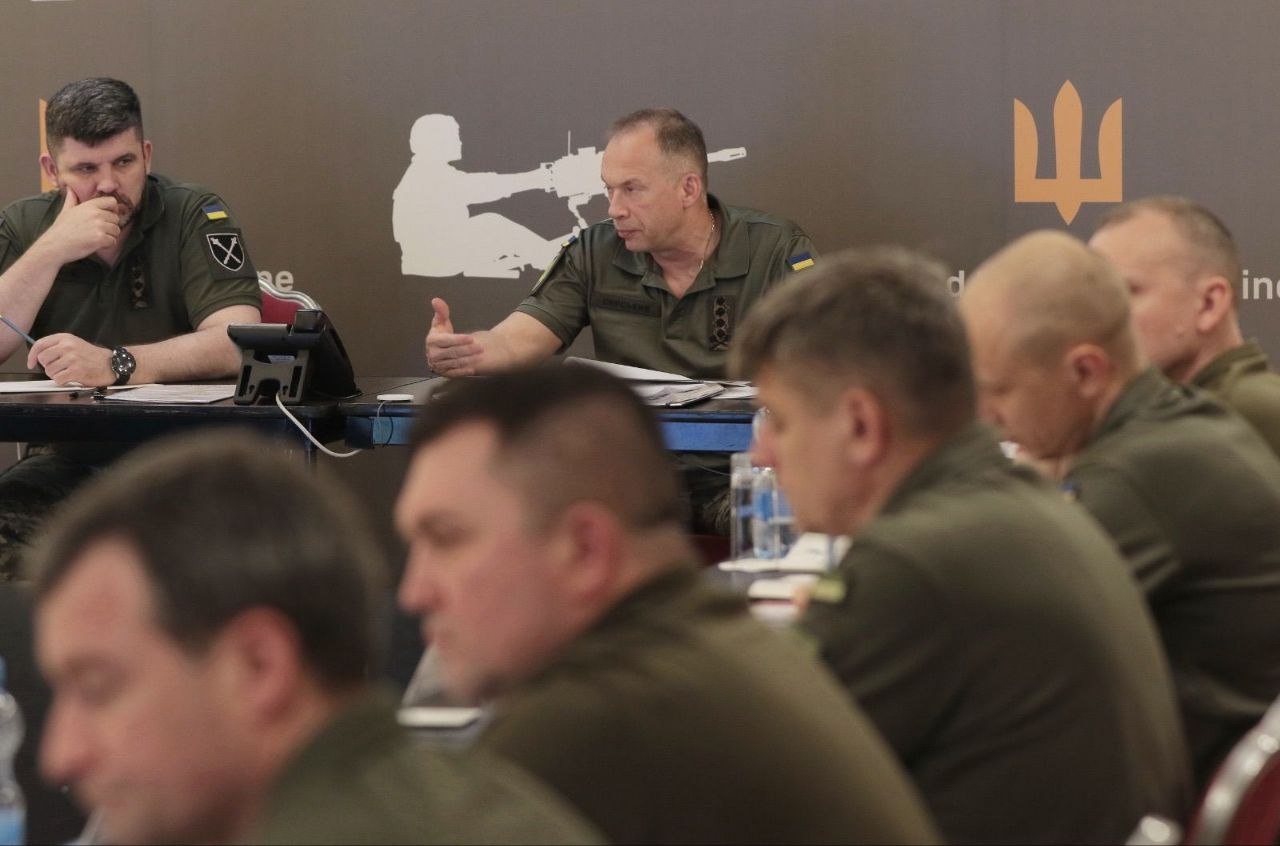
According to TSN.ua: Russia is facing severe economic consequences from its war in Ukraine, prompting a shift in the composition of its negotiation team. Recent reports indicate that military officials are now participating in the Russian delegation instead of politicians. This personnel change could signal new approaches to the talks and a potential intensification of efforts to settle the conflict. The war has triggered unprecedented international sanctions, directly impacting Russia's financial stability and long-term economic prospects.
The economic pressure on Russia is becoming increasingly palpable and is influencing the dynamics of the negotiations. As noted by expert Oleksiy Buriachenko, the country's economic situation may push the government toward a more constructive approach at the bargaining table. However, he also stressed that as long as Moscow does not abandon its ultimatums—including demands for Ukraine to cede territory without a fight—a genuine diplomatic breakthrough will not occur.
The Role of International Politics
Simultaneously, international politics continues to play a crucial role in the evolving situation. U.S. President Donald Trump has expressed a desire to avoid a prolonged negotiation process, hoping to establish a format for a stable ceasefire by early summer. This could influence the course of the talks, as the United States remains a key player in the conflict.
U.S. Ambassador to NATO Matthew Whitaker has stated that no specific deadlines have been set for ending the war in Ukraine. This indicates that the international community continues to monitor developments closely and remains prepared to respond to changes on the ground.
The changes in the Russian negotiation group could be an important signal of Moscow's readiness to adopt new tactics. However, their effectiveness will depend on the willingness of all parties to engage in constructive dialogue and abandon rigid demands. The situation remains tense, and Russia's subsequent moves, along with the international community's response, could significantly impact the chances for achieving peace.
The reshuffle in Russia's team may point to the growing influence of economic factors on the country's foreign policy, potentially encouraging more flexible negotiation stances. Nevertheless, without a retreat from hardline positions such as demands for territorial concessions, substantial progress in resolving the conflict is unlikely. The vigilance of the international community and the activity of the United States could prove to be critical factors influencing the future course of talks and the possibility of establishing peace in the region.
Read also
- U.S. Shifts Foreign Policy Focus to Ukraine War After Reaching Iran Agreement, Trump Announces
- Peace Deal Announced by Trump with Iran: Strait of Hormuz to Reopen on June 19
- Historic US-Iran Deal Reached: Oil Tankers Depart the Strait of Hormuz
- Boxing Champion Usyk Meets Trump at the White House: Details of the Visit Emerge
- G7 Summit Set to Host Key Talks Between Zelenskyy and Trump: Agenda Unveiled
- Trump Engages Zelensky and Putin in Talks: Is an End to the War Within Reach?