The government introduces a zero quota on scrap metal exports: what it means for the economy.

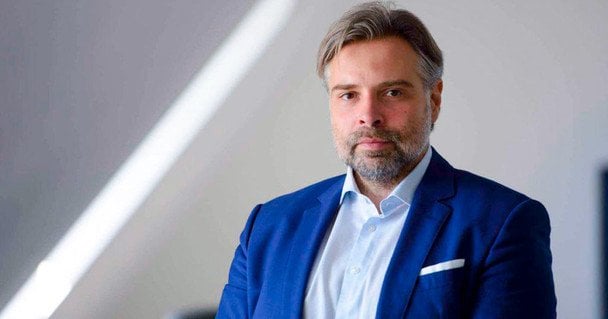
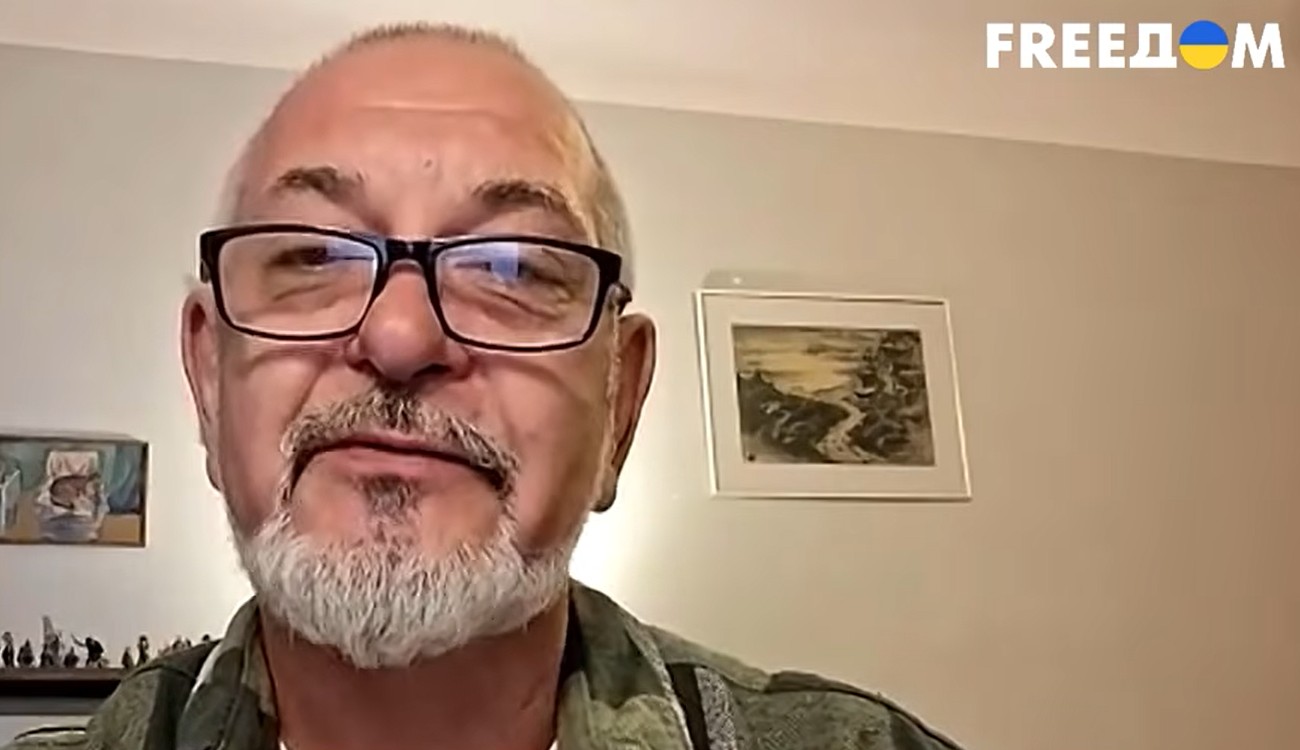
According to ТСН: The president of the OP 'Ukrmetallurgprom', Oleksandr Kalenkov, shared insights on the situation with scrap metal exports in Ukraine in an interview with GMK Center. He noted that this issue poses a threat to the operations of enterprises in the mining and metallurgical complex and is causing a scrap metal shortage in the country. At the beginning of the year, metallurgists appealed to the government to limit the export of this strategic raw material.
Kalenkov emphasized that by the end of the first nine months of 2025, scrap metal exports had reached 312 thousand tons, which is 54% more than the entire year of 2024. 'Therefore, against the backdrop of such adverse trends that threaten the country's economy, the government has taken the first steps towards adopting a state decision - to temporarily restrict scrap metal exports,' he stated.
Support for the zero quota
Kalenkov described the Cabinet of Ministers' initiative to establish a zero quota on scrap metal exports starting January 1, 2026, as 'economically justified.' He stressed that metal produced from scrap brings 8-10 times more revenue to the budget than raw scrap. 'According to our estimates, the losses in foreign currency earnings under this scheme over 9 months amounted to $0.5-1.1 billion,' Kalenkov added.
Social consequences
Kalenkov also pointed out the social aspect, as most metallurgical plants are located in frontline regions. 'One job in metallurgical production creates 4-5 jobs in related industries. If we consider metallurgists, their colleagues, and their families, this is about 1 million Ukrainians,' he noted.
Challenges and problems
The president of 'Ukrmetallurgprom' also stressed that the zero quota and the export duty of €180/ton would help retain scrap metal within the country. 'The duty blocks direct exports to Turkey, but does not affect trade with EU countries. Dishonest exporters transport scrap through European ports, from where it is sent to Turkey and India,' he explained. 'Thus, a larger portion of Ukrainian scrap is directed through EU ports, rather than remaining with European metallurgists, which means that the EU and Ukraine are effectively 'feeding competitors',' he emphasized, pointing out the potential resistance to the implementation of the zero quota from exporters.
The discussion on scrap metal exports in Ukraine is becoming increasingly relevant against the backdrop of economic challenges and social consequences for the regions where metallurgical enterprises are located. The successful implementation of a zero quota could significantly impact the industry, as well as support local production and jobs amid a challenging economic environment.
Read also
- New U.S. Tariffs Hit 60 Nations: Here Are the Rates for the EU and Russia
- Russia’s Oil and Gas Revenue Set to Surge by 60%—Here’s What’s Driving the Jump
- IMF Disburses $690 Million Second Tranche to Ukraine: Where the Funds Are Going
- Russia’s Budget Deficit Could Hit 7 Trillion Rubles—What Are the Default Risks?
- Expert Sets Critical Threshold: 60% of Russia's Oil Refining Capacity Must Be Destroyed
- Russia Faces Imminent Fuel Crisis: Why Refinery Recovery Is Nearly Impossible, Expert Warns