Why the Kremlin's Rejection of an Energy Truce with Ukraine Poses a Threat to Its Own Military.

Proposed Energy Truce Faces Kremlin Opposition
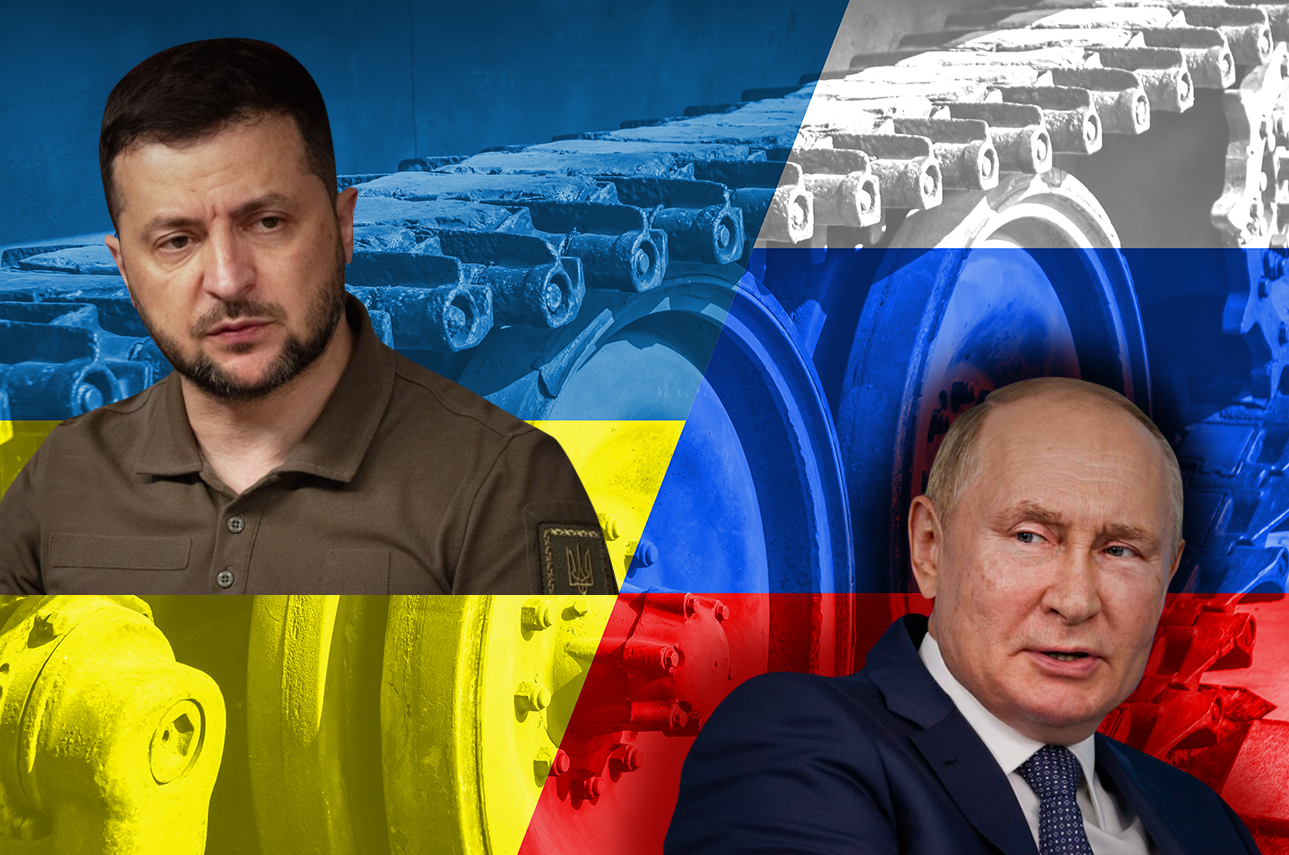
According to TSN.ua: The Kremlin has firmly rejected a proposal for an energy truce with Ukraine, a plan that was also backed by the United States. This issue was a key topic during recent negotiations in Abu Dhabi. The refusal to agree to a ceasefire for energy infrastructure comes at a time when the Russian military is itself grappling with a severe energy crisis in the occupied territories, creating significant logistical and operational hurdles for its forces.
While a localized truce previously allowed for repair work at the Zaporizhzhia Nuclear Power Plant, the situation in the occupied part of the Zaporizhzhia region remains dire. Civilian residents there continue to endure a lack of electricity and heating. Although Ukrainian energy workers, preparing for talks in the United Arab Emirates, have restored power to transmission lines, this does not resolve the crisis in the occupied areas.
Military Capabilities and Humanitarian Crisis
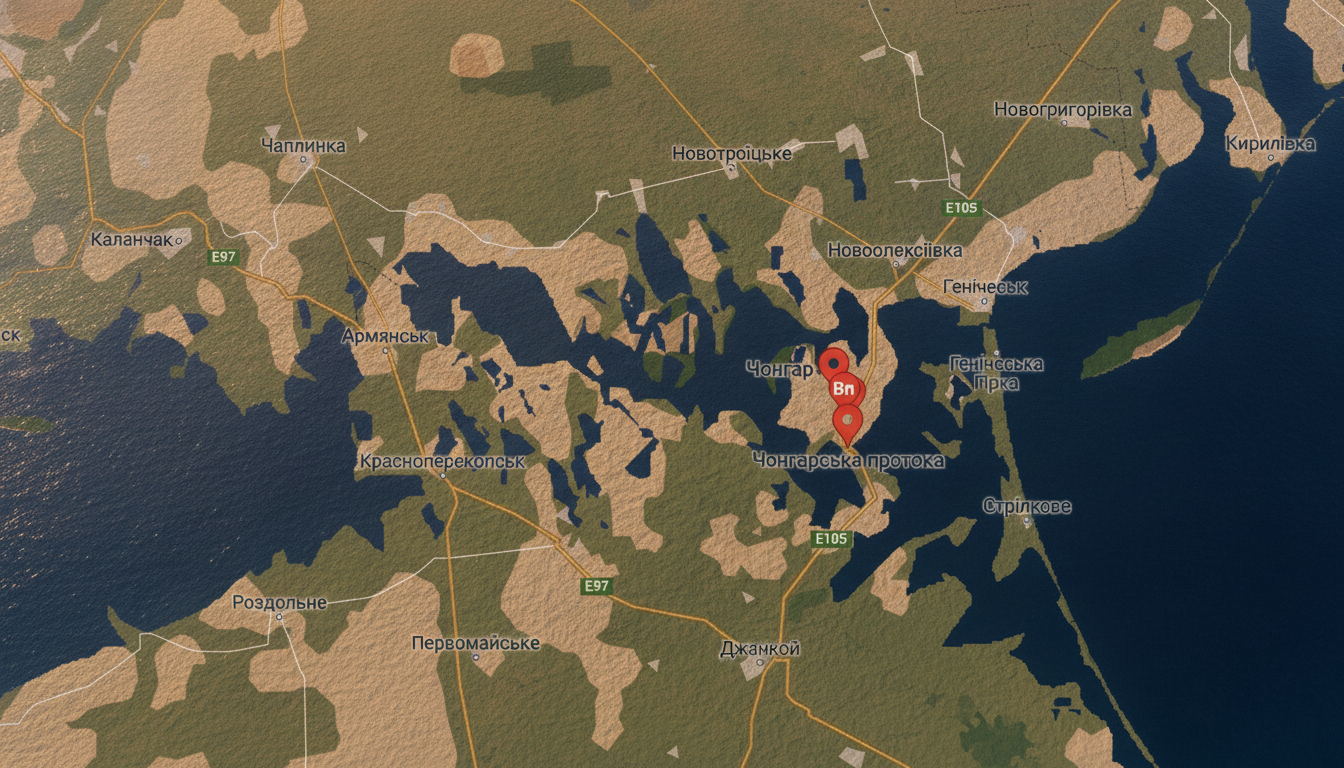
Furthermore, Russian electronic warfare systems and radar stations cannot operate effectively without a stable power supply, which directly undermines their military capabilities. In response to these problems, Russian forces have begun mass deliveries of generators to the Rozivka-Polohy agglomeration. Concurrently, Ukrainian forces continue to successfully strike rear-area bases, including targets in Mariupol.
Experts offer differing perspectives on the situation:
-
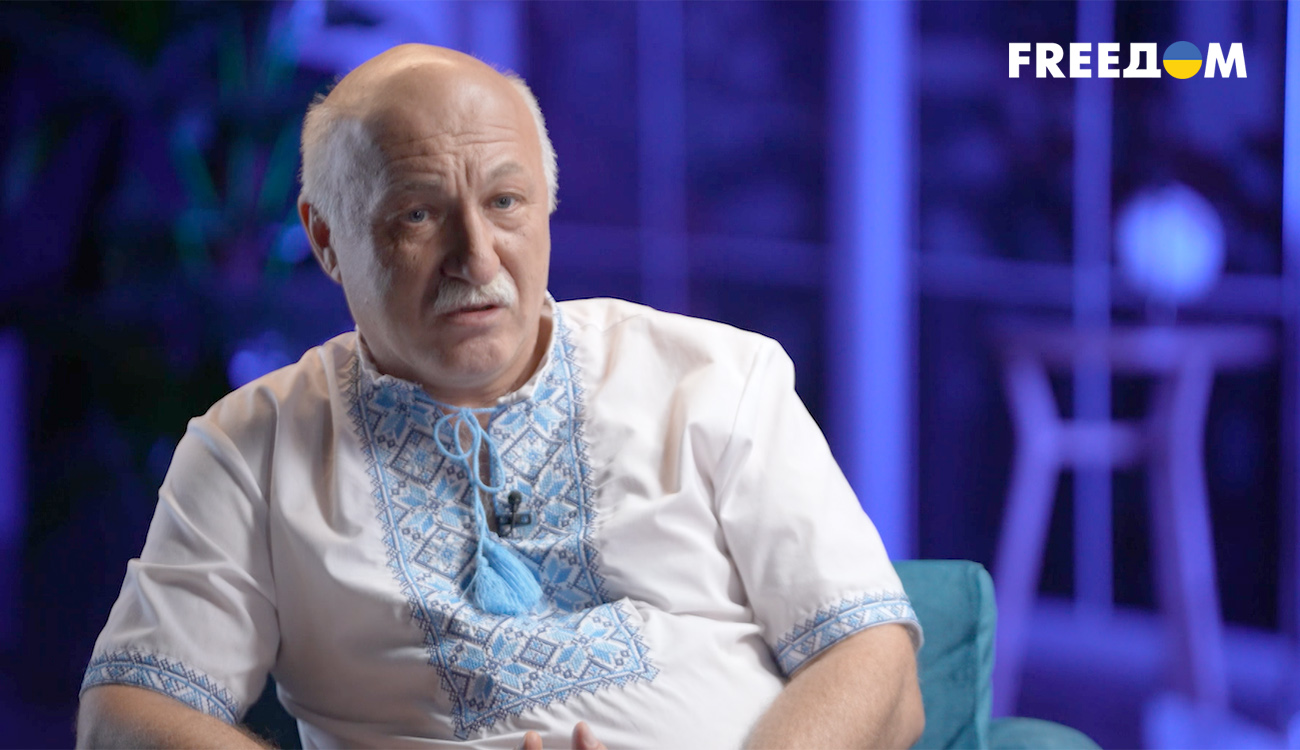
"Russia's goal is to soften the negotiating position or extract certain concessions." - Petro Andriushchenko
-
"Constant predictions about a potential peace create an illusion, making soldiers afraid of becoming the 'last casualty' of the war." - Denys Kapustin
Thus, the energy issue remains a focal point for both sides. The Kremlin's rejection of a truce could have serious consequences for military operations in the occupied territories. The situation requires close monitoring, as the energy crisis threatens not only military effectiveness but also exacerbates the dire humanitarian situation for civilians suffering from the ongoing conflict. This standoff highlights how infrastructure warfare can create complex, reciprocal challenges for both attacker and defender.
Read also
- Crimea Turns Into an Island: Russian Supply Lines Collapse as Bridges Are Destroyed
- Europe Must Resume Talks with Russia, Says Finnish President
- When Putin Might Actually Be Ready for Negotiations: A Political Scientist’s View
- EU Might Let Ukraine Use $90 Billion Loan for Missile Purchases: Key Details
- Ukraine’s Military Plans to Push Russia Off the Kinburn Spit: What It Means for Port Operations
- Ukrainian Parliament Strips Russian of Protected Language Status