U.S. Supreme Court Ruling in Medina Case: What It Means for Future Lawsuits.

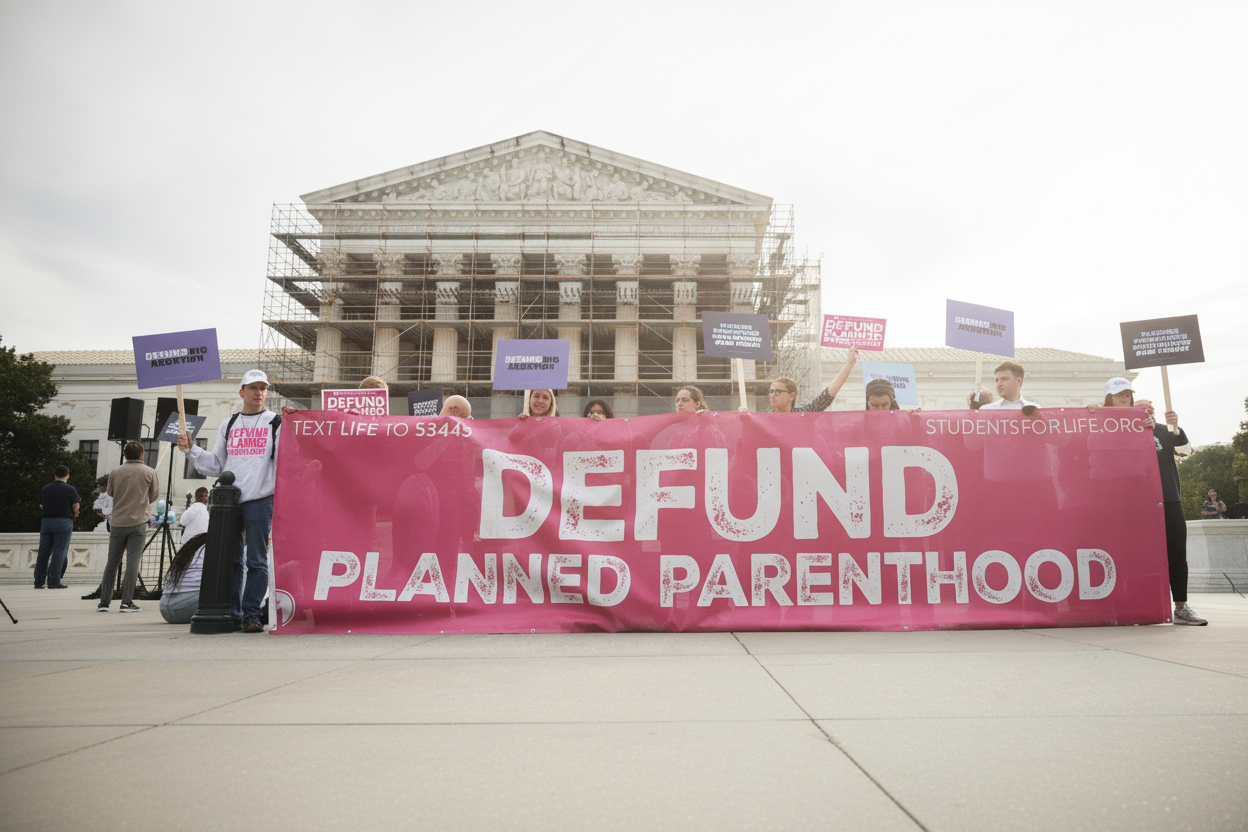
U.S. Supreme Court Cases
According to Vox - Загальний: In 2025, the U.S. Supreme Court delivered a landmark ruling in 'Medina v. Planned Parenthood,' sparking widespread discussion among legal experts and civil rights advocates. This decision is closely tied to the earlier case 'FS Credit Opportunities v. Saba Capital Master Fund,' which raises questions about the viability of lawsuits based on implied causes of action. The justices examined how these matters align with the principles established in 'Gonzaga University v. Doe' (2002), which set the precedent that a statute must be framed in terms of the individuals it is intended to benefit.
The case 'FS Credit Opportunities v. Saba Capital Master Fund' addresses issues related to investor lawsuits against investment funds. This underscores that the problem of implied causes of action continues to be relevant in current legal practice. The 'Medina' ruling was delivered by six Republican-appointed justices, sparking further debate over the political and legal dimensions of judicial decisions.
Political Dimensions of the Ruling
Justice Amy Coney Barrett stated: 'Congress, not the judiciary, decides who can enforce a law.'
This remark highlights the critical separation of powers between the legislative and judicial branches, as well as the ongoing relevance of issues arising in cases involving implied causes of action.
As a result, the new Supreme Court ruling in 'Medina v. Planned Parenthood' marks a significant milestone in the evolution of case law concerning implied causes of action, opening up fresh avenues for legal analysis in the context of 'FS Credit Opportunities v. Saba Capital Master Fund.'
This decision is likely to have a substantial impact on the future trajectory of U.S. legal practice, particularly in civil rights cases and investment-related lawsuits. The importance of maintaining a clear boundary between judicial and legislative authority may shape future legal approaches to implied causes of action, while also drawing attention to the need for more precise statutory language governing these matters.
Read also
- Next Year Set to Deliver First Milestones as Ukraine Partners in Europe’s FREYJA Missile Defense Project
- Greece's Blockade of the 21st Russia Sanctions Package Forces EU to Rethink Strategy with Thematic Groups
- New UK-Ukraine agreement on joint weapons manufacturing: implications for regional defense
- Sanctions on Russia Are Falling Short, Zelenskyy Warns as Ballistic Missile Production Rises
- Forthcoming Proposal Aimed at Ending Aerial Strikes Being Drafted by Ukraine and the United States – What to Know
- Peace Appeal From Kazakh Leader During Putin Meeting