Ukraine's energy sector faces up to 40 attacks this winter: how to prepare.

Forecast of attacks on Ukraine's energy infrastructure
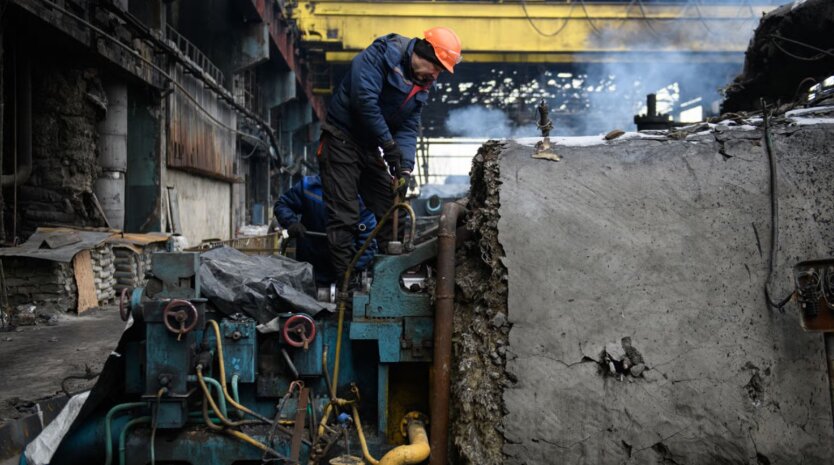
According to inkorr.com: Experts predict that this winter Ukraine may face up to 40 massive attacks on its energy infrastructure, which roughly means one strike every 3–4 days.
Russia's tactics are changing: the emphasis is on targeted strikes on several key facilities simultaneously, so any regions may come under fire, even those without active combat operations.
Reasons for the probability of attacks
-
Technical vulnerability: due to a lack of air defense systems, not all power plants and substations may be sufficiently protected.
-
Repair logistics: the restoration of damaged facilities depends on the availability of components and qualified specialists.
-
The current situation: the Ukrainian energy sector has already lost significant capacities, but this year more than 194 MW of new sources have been introduced, and another 380 MW is planned by the end of the year.
-
International forecasts: the IEA estimates that Ukraine may face an electricity deficit of around 6 GW during peak winter loads.
Recommendations from specialists for preparation
-
Supplies of water and food: Due to electricity outages, pumping stations may stop. It is recommended to have a three-day supply of water and products with a long shelf life.
-
Energy reserve: It is wise to plan for power outages of 6–8 hours. Flashlights, power banks, inverter generators, and solar panels (where possible) can serve as useful 'insurance'.
-
Decentralization: The development of distributed energy, such as solar panels and batteries, could significantly enhance system resilience, according to IEA data.
-
Monitoring and communication: It is advisable to follow official announcements from the authorities and energy companies regarding planned outages or emergency works.
-
Solidarity and infrastructure: Cities and communities should pre-plan heating places and temporary power supply points, especially for hospitals, kindergartens, and schools.
What to pay attention to
-
This does not mean that complete massive blackouts can occur: some experts believe that the system can be maintained thanks to the efforts of energy workers and international assistance.
-
Dependence on weather conditions: severe frosts and difficult climatic conditions can complicate repairs and the load on the energy grid.
-
Investments and external support are critically important: without new investments in modernization and network protection, the consequences of attacks may be much more severe.
Conclusion
Ukraine is already facing winter under new challenges: strikes on the energy sector are becoming a new front. Preparation is not only a matter for the state but also for each region and family. Supplies of water and food, backup power sources, decentralization—these measures will help withstand the difficulties that may arise. The system has already endured difficult times and survived. This year it demands special vigilance from all.
Read also
- Russia's Nuclear Deterrence System Has Been Broken: What This Means for Ukraine
- Trump sparks Kremlin confusion as Peskov and Zakharova contradict each other
- France and Poland Launch Nuclear Security Group: What It Signals for NATO
- Satellite Imagery Reveals Iran Reactivating Nuclear Sites After US Deal
- Nearly $3 Million Paid: U.S. Issues First Compensation for 'Havana Syndrome' Victims
- Russia’s Strategic Position Deteriorates as Ukraine Intensifies Counteroffensives: Frontline Analysis