EU prepares restrictions on Russian oil imports: what awaits Hungary and Slovakia.

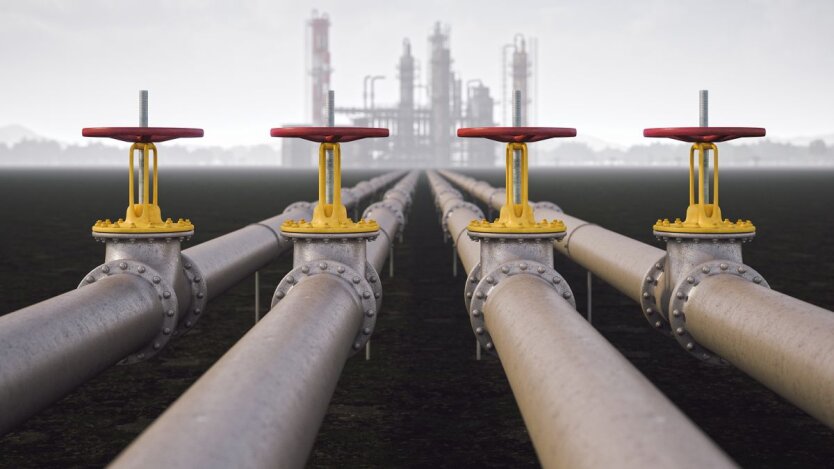
According to inkorr.com: The European Commission is considering changing the terms of Russian oil imports via the 'Friendship' pipeline, which runs through Slovakia to Hungary. According to Bloomberg, new restrictions may come into effect if these countries fail to develop strategies to reduce reliance on Russian supplies.
The European Commission is developing trade measures regarding Russian oil imports
Hungary and Slovakia remain the only countries in the EU that continue to import Russian oil, explaining this necessity to ensure their energy security. In this regard, the European Commission is working on the implementation of separate trade measures, which will differ from the already imposed sanctions.
Among the proposed restrictions are a ban on the import of Russian liquefied gas, as well as sanctions against companies that support Russia in energy trading. Sources report that the European Union has the possibility to implement these measures more quickly, as only a majority of votes from member countries is required.
Currently, G7 countries are working on coordinating a new package of sanctions, which they plan to finalize by the end of September. European measures are aimed at the largest Russian oil companies, transport networks, and vessels that provide the Kremlin with key revenue from the export of energy resources.
EU presses member states to abandon Russian oil
Hungary and Slovakia remain the last EU states that continue to import Russian oil. The European Union is ready to take action if these countries do not define their own strategies to abandon Russian fuel. At the same time, the US is also pressuring allies, urging them to refrain from purchasing Russian oil products.
In the new conditions of geopolitical changes, the issue of importing Russian oil into Europe remains in the spotlight of world leaders and energy market experts. This highlights the growing willingness of the EU and its partners to take joint action in energy and sovereignty.
Read also
- Russians' Debt Hits Record 45 Trillion Rubles as 22 Million Defaulters Emerge
- Putin Acknowledges Ukrainian Strikes on Oil Refineries as Russian Gasoline Output Plummets
- How Bananas Reshaped the World: The Fruit That Sparked Revolutions
- How Ukrainians Can Cut Mobile Costs: Smart Ways to Save on Plans This July
- How a Shorter Workweek in Ukraine Could Affect Employee Pay
- Red Cross Offers Grants from 164,000 to 274,000 UAH for Ukrainian Entrepreneurs