EU Ramps Up Missile Production for Ukraine as Kubilius Tours Member States.

Strengthening Europe's Defense Industrial Base
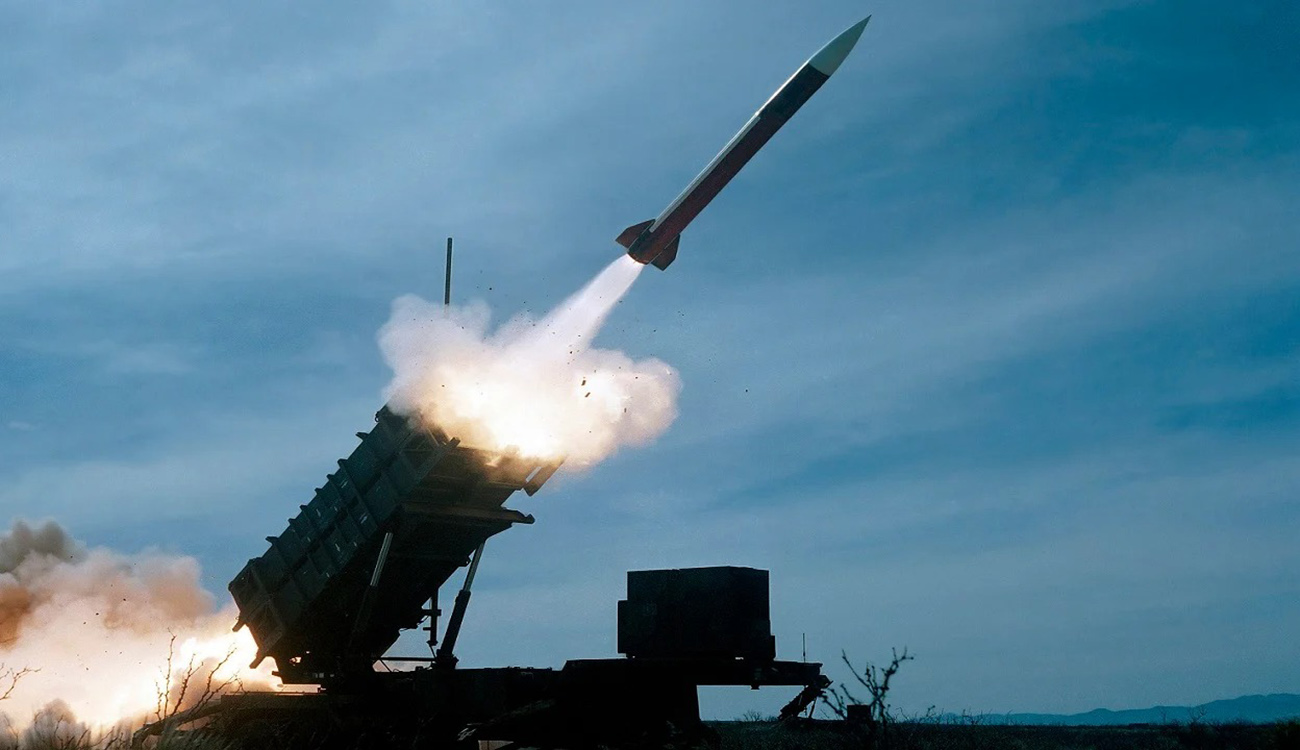
According to UATV: The European Union is moving to scale up its defense manufacturing capabilities to supply Ukraine with more air defense systems. EU Commissioner Andrius Kubilius is currently on a tour of several member countries to assess the potential for producing anti-ballistic missiles. Ukraine currently needs roughly 2,000 Patriot interceptor missiles per year, while total U.S. production stands at around 750 units annually. This stark gap has prompted the EU to explore its own manufacturing capacity.
Commissioner's Visits and Strategic Push
Kubilius is visiting a number of key European nations, including:
- Poland
- Germany
- Italy
- Sweden
- France
- Norway
These stops highlight the EU's serious commitment to addressing Ukraine's urgent defense needs. Speaking on the initiative, the Commissioner remarked:
'This is a truly important and timely initiative that we are undertaking.' — Andrius Kubilius
The statement underscores the bloc's active push to bolster Ukraine's defensive capabilities amid ongoing security challenges.
By ramping up production of air defense systems, the European Union is signaling its readiness to take a more direct role in Ukraine's security. This effort could mark a significant step in strengthening Ukraine's defense posture on the global stage. Given the current threat environment, closer defense cooperation with EU nations and enhanced production capacity may prove critical to regional stability and long-term security.
Read also
- Crimea Solidarity Shuts Down After Being Labeled a 'Foreign Agent': What Led to This
- Burnham and Merz Discuss Ukraine Aid: What’s Known About the New 'Coalition of the Willing'
- Crimean Solidarity Shuts Down After Being Labeled a 'Foreign Agent' – What You Need to Know
- 21 Fuel Tankers Destroyed in 72 Hours: Ukraine’s Strategy to Isolate Crimea
- Zelenskyy Proposes New Role for Fedorov to Merge Technology and National Security
- Zelenskyy Announces New Commander-in-Chief of Ukraine's Armed Forces: Who Replaces Syrskyi