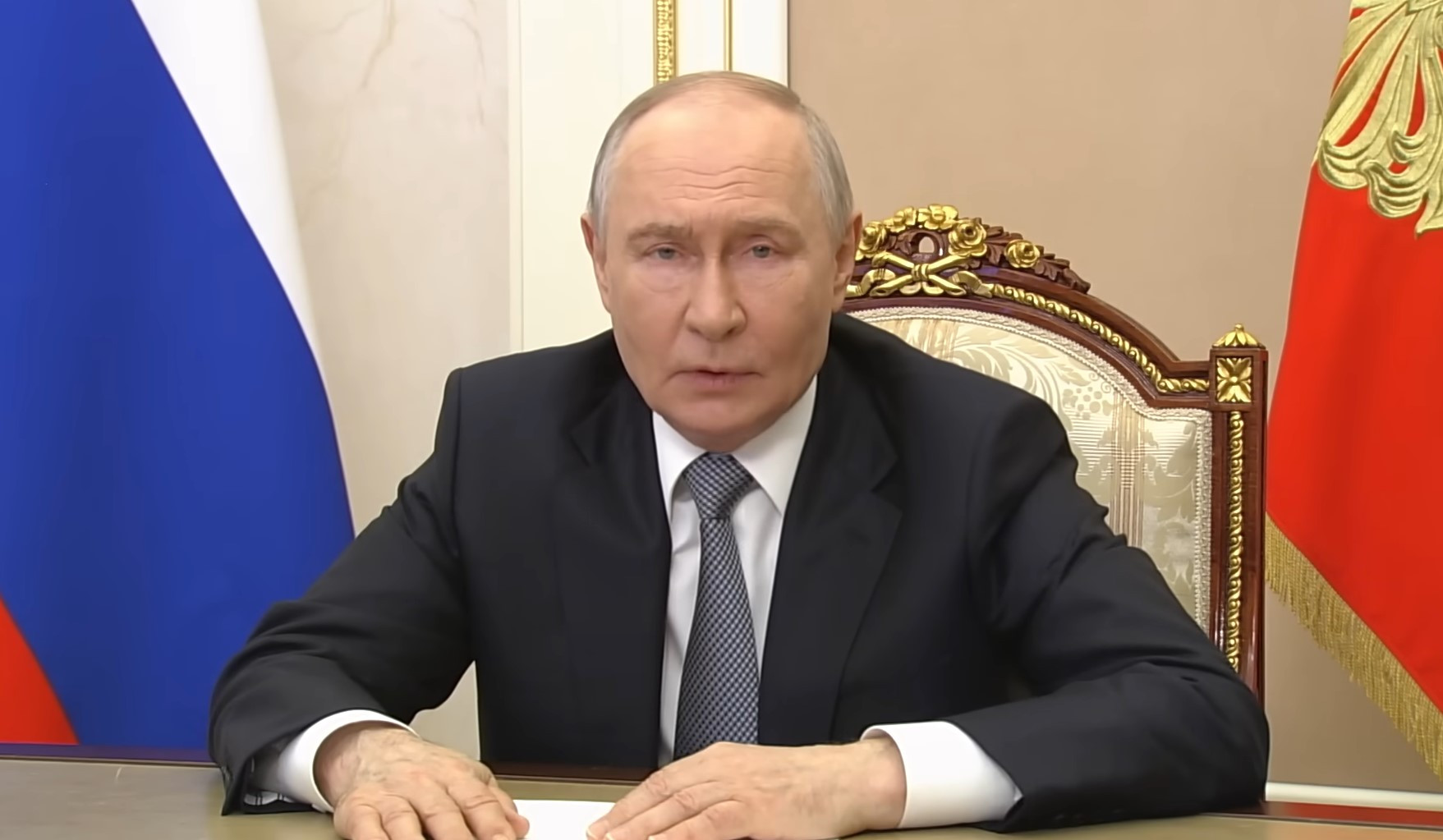
EU Fails to Approve Russian Oil Price Cap; New Deadline Set for July 23.


EU Sanctions and the Russian Oil Price Cap
According to Espreso.tv: European Union ambassadors were unable to reach a consensus during a meeting of the Committee of Permanent Representatives, meaning the current price cap on Russian oil will remain in place at least until July 23. The existing cap was set to expire on June 15. EU member states decided to extend it after disagreements emerged over the 21st sanctions package against Russia, which was introduced on June 9.
New Sanctions Package and Its Implications
The latest sanctions proposal includes a ban on entry into the EU for anyone who served in the Russian armed forces since the start of the war against Ukraine. However, several key issues remain unresolved. For instance, the names of Russian Orthodox Church Patriarch Kirill and Lukoil founder Vagit Alekperov were removed from the draft at Bulgaria's request.
“Member states are close to an agreement, but the package has not yet been approved.”
Kaja Kallas, Prime Minister of Estonia
The ongoing disagreements among EU countries over sanctions against Russia highlight the complexity of reaching political consensus within the bloc. The lack of agreement could affect economic relations with Russia and increase uncertainty in energy markets. Extending the oil price cap is seen as an effort to limit financial flows to Russia, but shifting positions among individual member states may make future consensus even harder to achieve.
Read also
- U.S. Senators Draft 65-Page Sanctions Bill: Tariffs Up to 100% Target Key Russian Energy Buyers
- Kremlin Plot Fears: Lithuania and Poland Warn of Russian Provocations
- Argentina pivots toward the US, leaving Russia’s nuclear ambitions in the cold
- Kremlin Launches Disinformation Campaign Targeting Ukraine's EU Path: Report Findings
- Ukraine's Parliament Ousts Svyrydenko's Cabinet: What Comes Next
- Ukraine's Defense Minister Reports 91% Drone Interception Rate Under His Watch