EU Reverses Course on Ukrainian Protection: What to Expect After 2027.

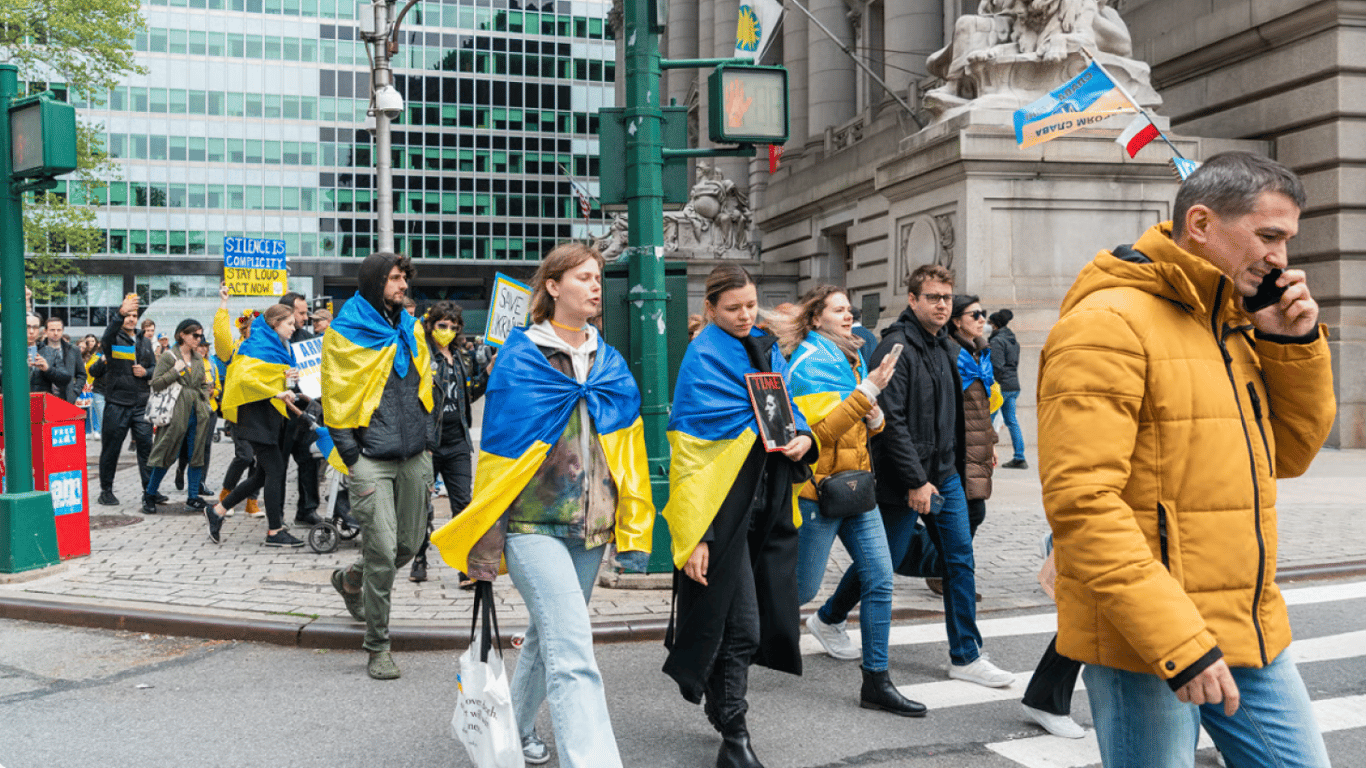
Reforming Temporary Protection for Ukrainians Under Discussion
According to Novyny.live: The European Union has decided to revisit the temporary protection framework for Ukrainians after March 2027, prompted by the challenges many face when transitioning to national residence permits. This policy shift was debated during a meeting of EU justice and interior ministers on March 5, 2026. The European Commission plans to release a new proposal in May 2026.
Earlier, the EU had abandoned plans to end temporary protection for Ukrainians after March 2027. In June 2025, Brussels indicated that an extension was no longer being considered, and by September 2025, EU member states unanimously backed a recommendation for a phased withdrawal of the mechanism. This could leave approximately four million Ukrainians in the EU without legal status after that date.
New Restrictions and Rules Taking Shape
Technical-level talks on updated rules occurred on March 24, 2026. Meanwhile, various EU countries and neighboring states have begun imposing their own restrictions. For instance:
- Switzerland, as of November 1, 2025, designated seven western regions of Ukraine as safe for return.
- Norway, in March 2026, limited protection eligibility for men aged 18 to 60.
- Denmark planned restrictions for men of conscription age and residents of 14 western and central Ukrainian regions, though implementation has been delayed.
The EU is exploring narrowing the scope of the temporary protection mechanism. As Magnus Brunner stated,
“Temporary protection—as the name implies—is temporary, so we need a next plan after March 2027.”Some countries now advocate for including restrictions on men in the updated model, as a source told Radio Svoboda. In response, Yuliya Zelvenska emphasized that 'any decision to be legitimate under European law must be justified and proportional.'
The debate over future rules and potential limitations stems from the need to balance the humanitarian needs of Ukrainians with EU member states' security concerns. As a result, the temporary protection issue remains pressing, and upcoming decisions could significantly affect millions of Ukrainians currently living in Europe.
Discussions on possible changes to the EU's temporary protection mechanism highlight the complexity of the situation for Ukrainians seeking safety abroad. The preparation of new rules and recommendations will likely be a key factor in determining the legal status of many Ukrainian refugees, as well as their socio-economic standing in host countries. This process also underscores the importance of coordination among EU member states to ensure a fair and effective approach to humanitarian challenges.
Read also
- Germany Overhauls Benefits for Ukrainian Refugees: Key Changes to Payments and Job Rules
- Who Can Leave Ukraine During Martial Law: A Guide to Military Registration and Border Crossings
- EU Weighs Changes to Temporary Protection for Ukrainians: What’s on the Table
- Free Housing for Ukrainians in Poland to Be Restricted Starting July 1, 2026: Who Will Be Affected
- Who Can Leave Ukraine: New Border Rules for Citizens Under 23
- UK Refugees May Have to Repay Up to £10,000 — What It Means for Ukrainians