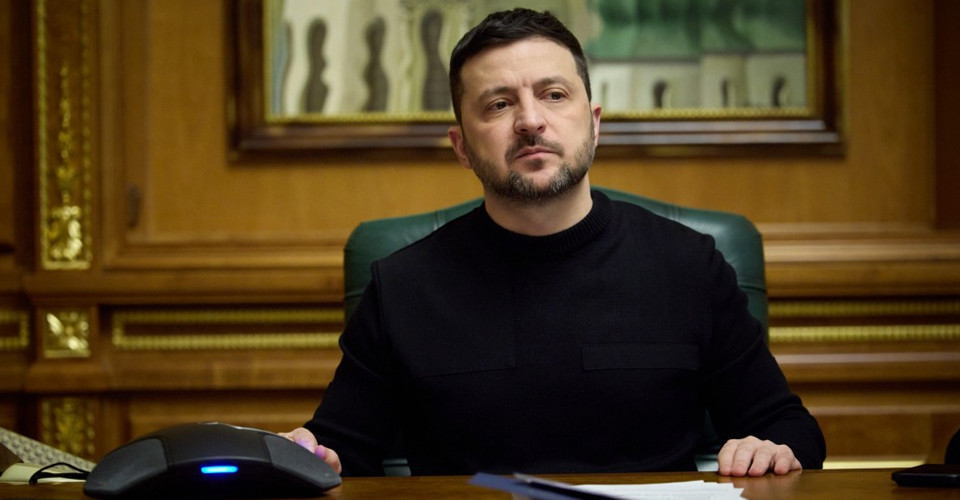
EU Approves €90 Billion Loan for Ukraine and Unveils New Sanctions Package.

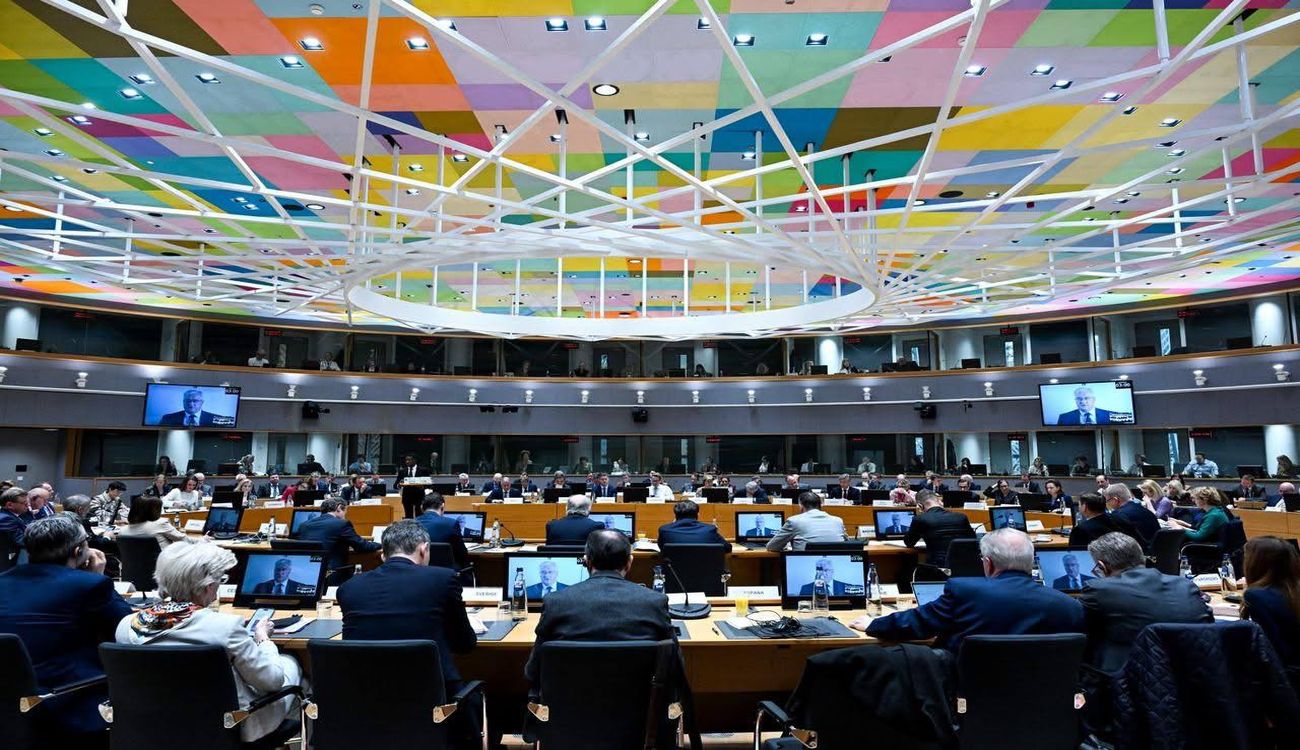
Addressing Russian Aggression Against Ukraine
According to UATV: European Union foreign ministers are deliberating on Russia's aggression toward Ukraine, focusing on a newly approved €90 billion loan, increased pressure on Moscow, and the potential impact of Hungary's veto power. Despite competing global events, supporting Ukraine remains the EU's top priority.
Key Meeting Agenda Items
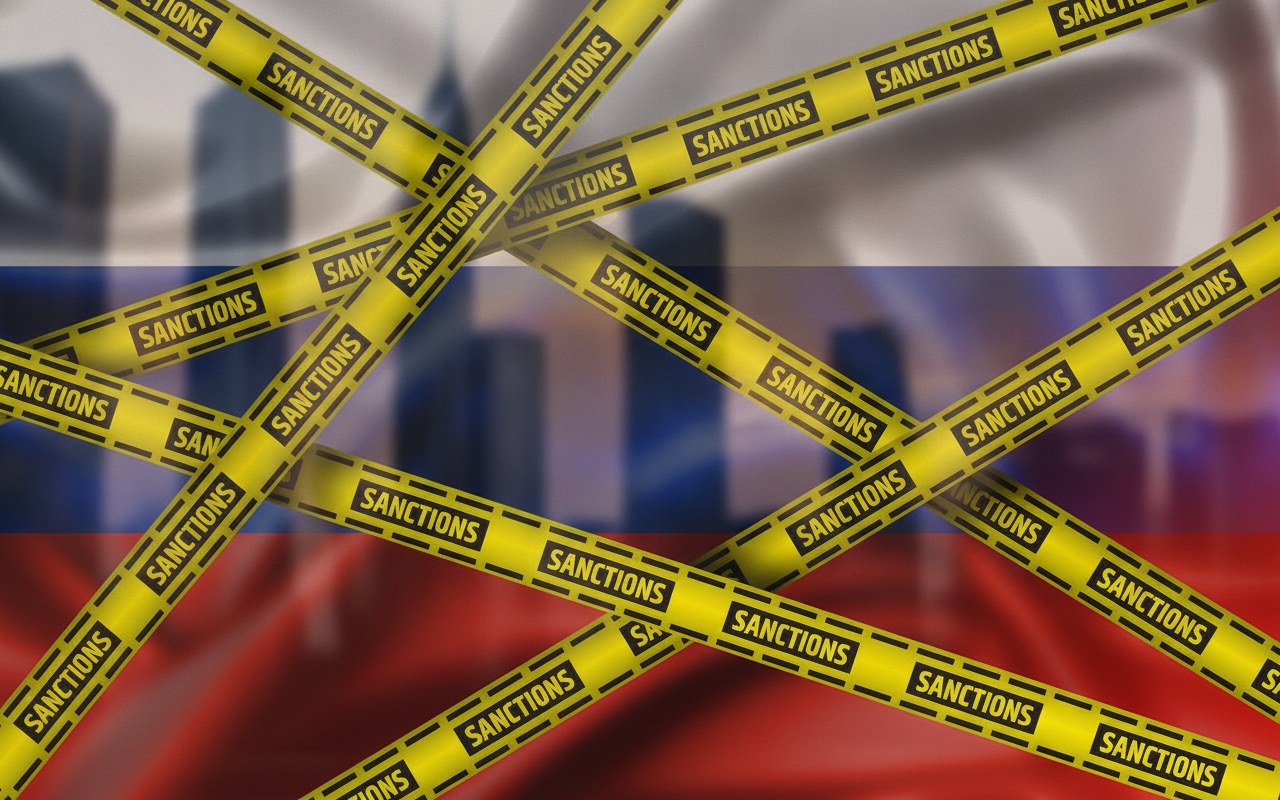
The ministers are reviewing the 20th sanctions package against Russia as a central topic of discussion. They are also considering a ban on entry into the EU for Russian combatants, part of broader efforts to intensify pressure on the Kremlin.
“Our approach must be to increase the pressure,” stated Estonian Prime Minister Kaja Kallas.
Additionally, the talks address recent governmental changes in the Netherlands following elections and the status of the 'Druzhba' pipeline. Regarding energy ties with Russia, Dan Jørgensen declared:
“The signal is very clear: in the future, we will not import a single molecule from Russia.”This statement reinforces the EU's commitment to halting Russian energy imports, aligning with its strategic push for energy independence.
EU representative Kęstutis Budrys commented on the new aid package:
“This is a €90 billion support package for Ukraine,”highlighting the critical financial backing for Ukraine during this challenging period. Dutch Foreign Minister Tom Berendsen expressed optimism about reaching a swift decision on further steps to aid Ukraine.
Against this backdrop, the EU continues to solidify its stance in response to Russian aggression, demonstrating Europe's resolve to back Ukraine and establish new sanction mechanisms.
The EU foreign ministers' discussions underscore the importance of international support for Ukraine amid ongoing Russian aggression. The €90 billion aid package reflects the EU's determination to ensure regional stability and stand with the Ukrainian people. Shifts in EU energy policy also signal a strategic course toward reducing reliance on Russian resources, a critical security priority for European nations.
Read also
- Ukraine Approves Reburial of Nationalist Leader Yevhen Konovalets: When His Ashes Will Return
- New Acting Ministers Appointed to Lead Ukraine’s Defense and Foreign Affairs
- Turkey's Security Guarantees for Ukraine Trigger Russian Import Ban on Turkish Fruit
- New Leadership Unveiled by Koretskyi: Defense and Foreign Affairs See Major Appointments
- EU Imposes First-Ever Sanctions Over Strikes on Kyiv: Targets and Reasons Explained
- Zelenskyy Holds Meeting with Commanders: New Government Appointments Announced