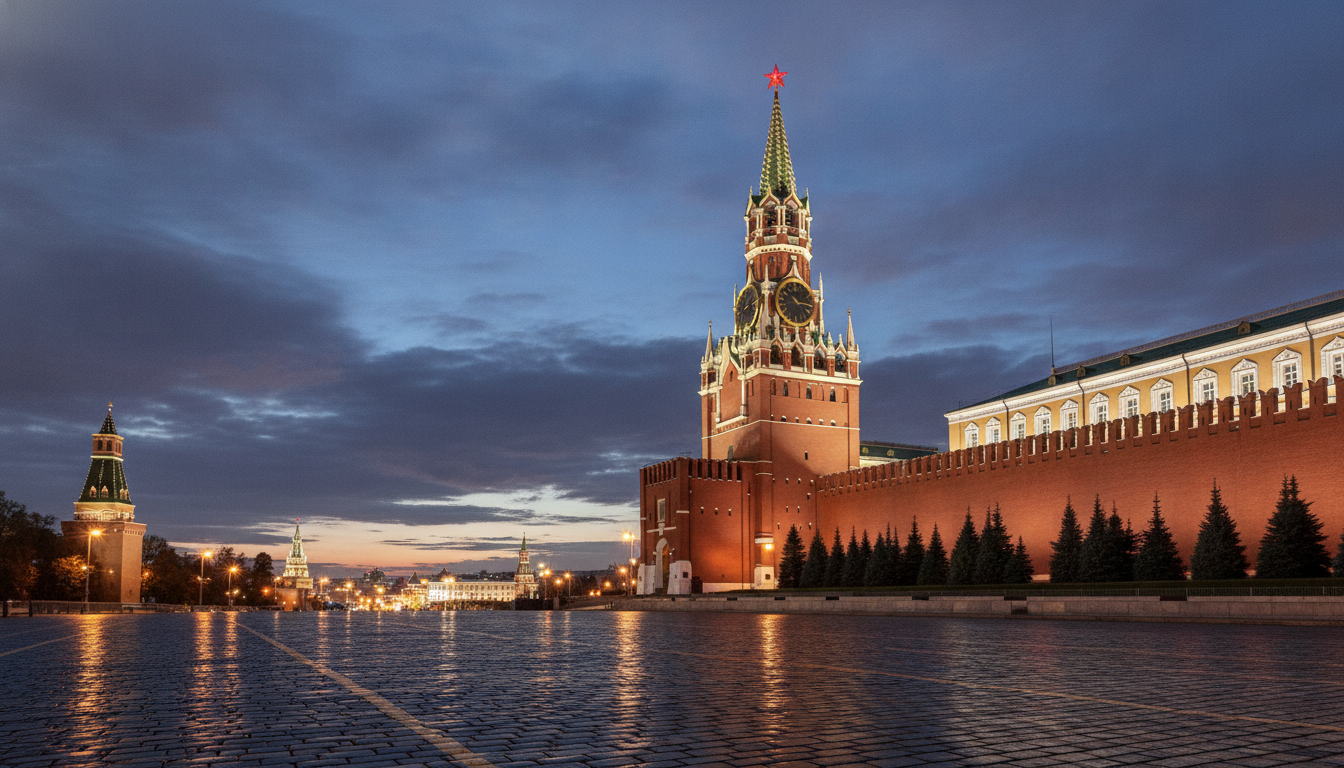
EU sanctions on Russia slow down as member states prioritize economic interests.

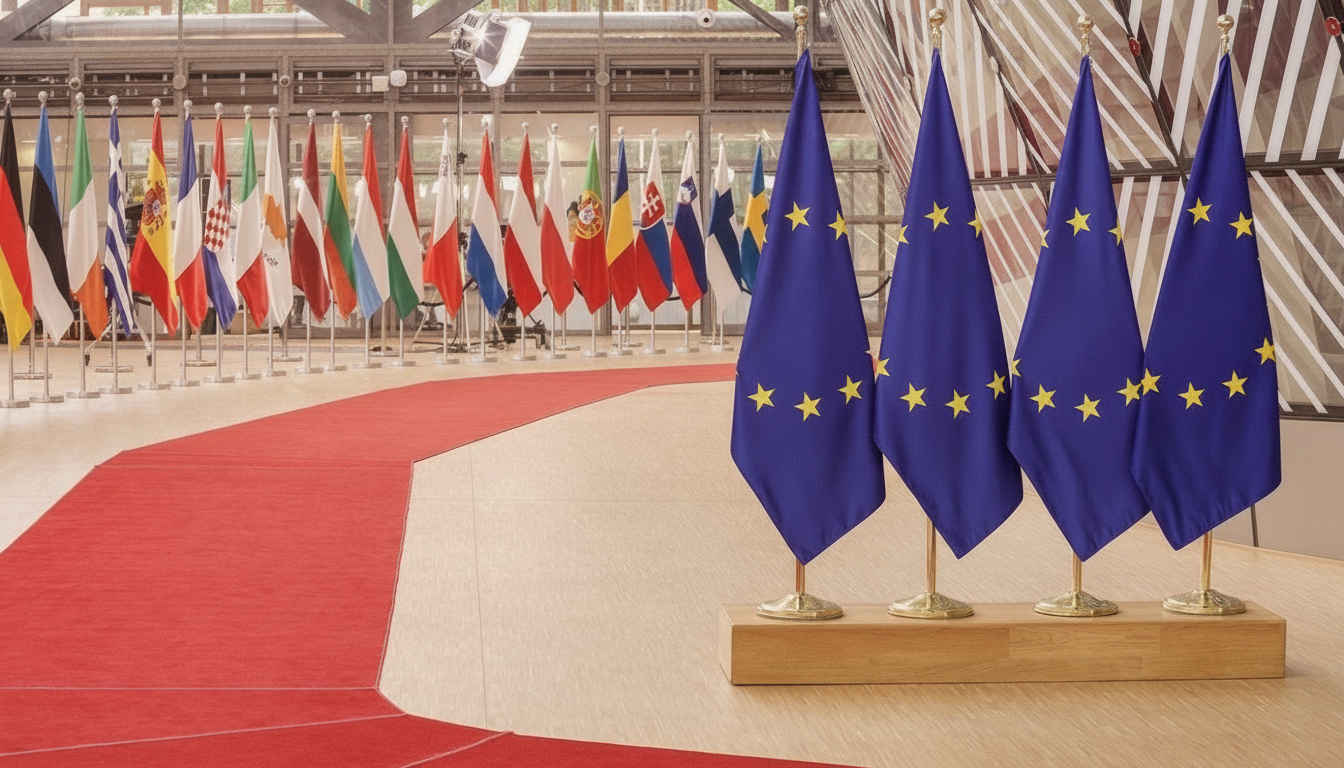
Struggles within EU sanctions policy toward Russia
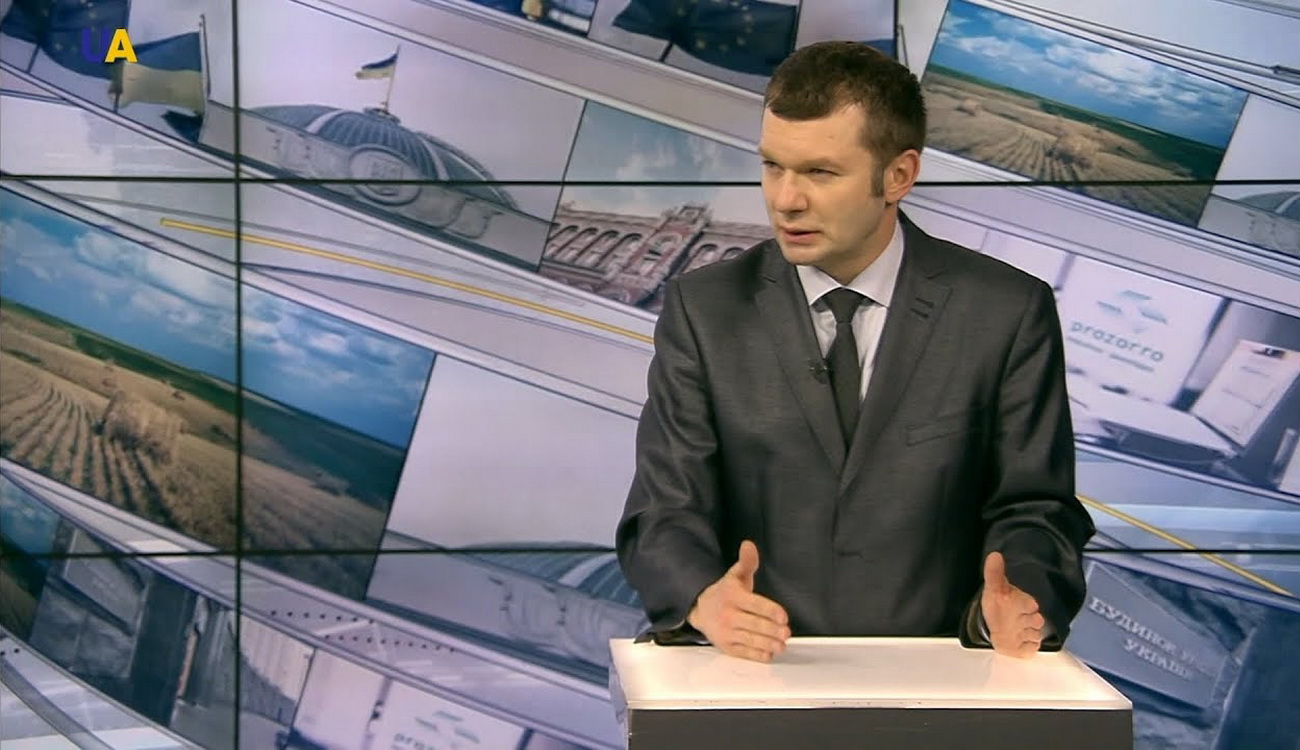
According to UATV: The European Union is encountering obstacles in enforcing its sanctions regime against Russia, largely driven by the economic concerns of certain member states. Speaking on the FREEДOM TV channel on July 23, 2023, economics expert Ivan Us noted that the approval of new sanctions has slowed, with countries like Greece securing exemptions from restrictions.
In 2022, the EU introduced new measures every two months, but the pace has since shifted. Greece, for example, opposed limits on transporting Russian energy resources, highlighting divisions among EU members. Recently, the EU approved its 21st sanctions package against Russia, which imposes new restrictions on:
- the banking sector
- cryptocurrency platforms
- shadow fleet vessels
- companies supporting Russia’s military-industrial complex
Ivan Us: 'The weak point is that European Union countries are not ready to adopt sanctions packages quickly.'
This reveals that the economic interests of individual nations are affecting both the speed and effectiveness of sanctions decisions. He added:
'If responsibility falls on manufacturers, they will have to check much more carefully who they are selling goods to.'This suggests that EU businesses must exercise greater diligence to avoid violating sanctions.
Us also pointed out that 'the European Union itself has made adjustments to its own sanctions rules,' underscoring the bloc’s ability to adapt to new circumstances and challenges. As a result, the EU’s sanctions policy toward Russia continues to evolve, but internal economic interests may pose a significant barrier to its implementation.
Challenges in cooperation among member states
The situation with EU sanctions policy illustrates the difficulty of collaboration among member states, where national interests often hinder collective efforts. These internal disagreements over positions can impact the overall effectiveness of measures aimed at limiting Russia’s economic capabilities. This, in turn, may challenge the EU’s long-term strategy for countering Moscow’s aggressive policies.
Read also
- EU Adopts 21st Sanctions Package Against Russia: What It Means for Oil and Banking
- Zelensky Warns of Black Sea Grain Corridor Blockade as Ukraine Calls UN Security Council Meeting
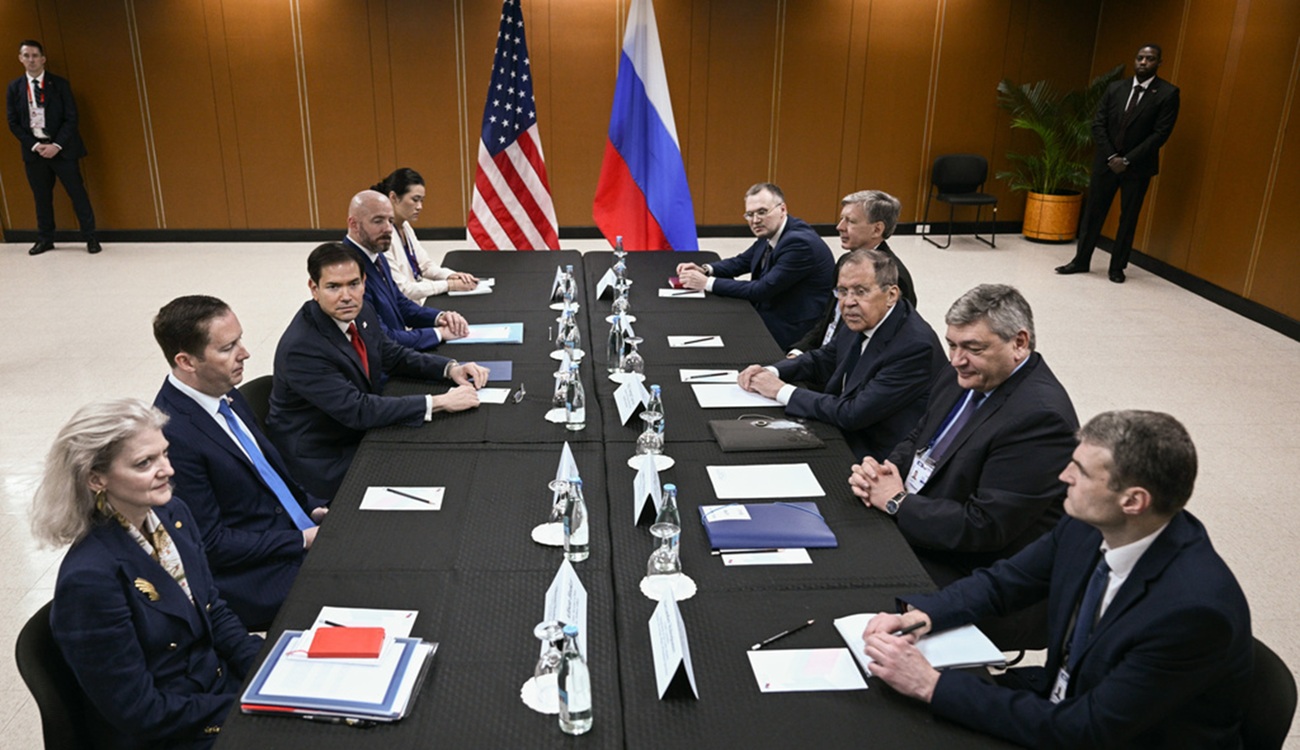
- A 35-Minute Manila Meeting Between Rubio and Lavrov Puts Ukraine War at the Center of Talks
- Latvia Moves to Ban Imports from Russia and Belarus: Here's What Will Be Blocked
- Poland Faces Thousands of Daily Cyberattacks from Russia, Deputy PM Calls It Hybrid Warfare
- Poroshenko Takes Legal Battle to Grand Chamber and ECHR: Lawyers Appeal Sanctions Ruling