EU Adopts 21st Sanctions Package Against Russia: What It Means for Oil and Banking.

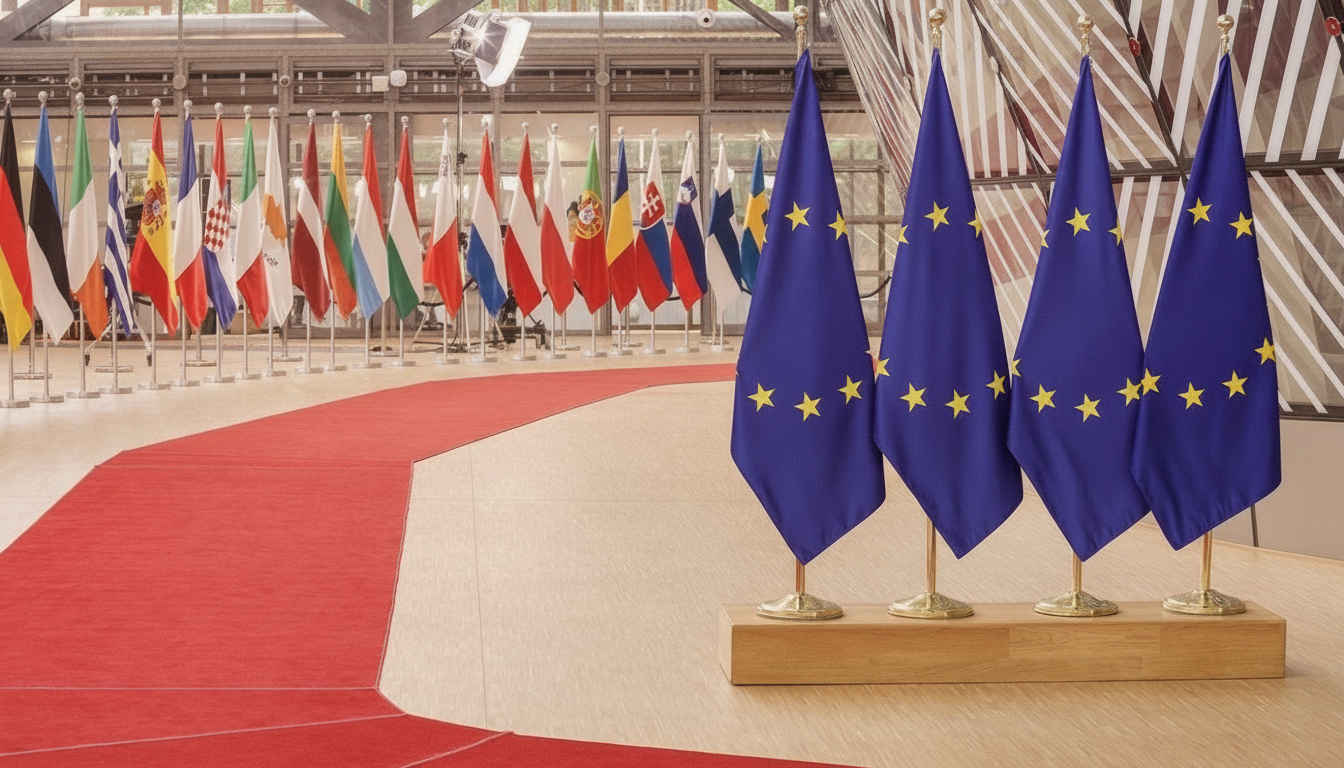
European Union Rolls Out 21st Sanctions Package Targeting Russia
According to UATV: On July 23, the European Union approved its 21st sanctions package against Russia, designed to curb funding for the war in Ukraine. The measures include maintaining the price cap on Russian oil at roughly $44 per barrel, increasing pressure on banks, and tightening restrictions on cryptocurrency tools. A decision on a new price cap mechanism has been postponed until August 1.
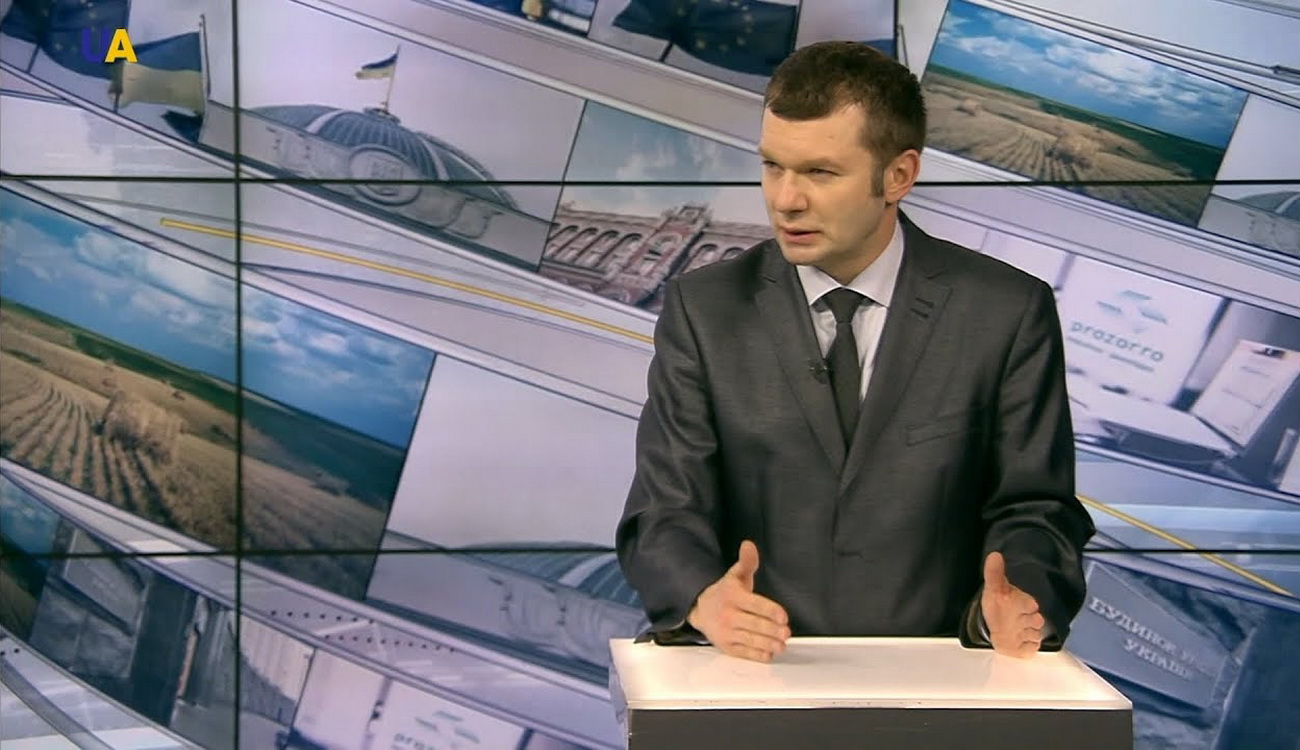
The average oil price could have reached around $100 per barrel, highlighting the significance of keeping this price ceiling in place. According to expert Ivan Us, the EU was initially expected to begin recalculating the price cap on Russian oil on July 15. He also noted that if the cap had been raised to $85, Russia could have exported oil without relying on a shadow fleet.
Stricter Visa Policies and Oversight of Aggression
Additionally, EU member states have agreed to tighten visa regulations for former Russian military personnel. Us pointed out that
“sustained pressure on Russian banks is a positive step”, reflecting the intent to maintain economic pressure on the aggressor country. He further added that these are
“early signs that participation in the war will be tracked”, potentially indicating efforts to hold accountable those who support aggression against Ukraine.
In essence, this new sanctions package aims not only to limit war financing but also to establish clear oversight mechanisms for actions related to Russian aggression.
These sanctions are part of the EU’s broader strategy to intensify economic pressure on Russia, thereby reducing its ability to sustain military operations in Ukraine. Preserving the oil price cap is a critical component of this approach, as oil remains a primary revenue source for the Russian economy. The enhanced monitoring of individuals involved in military activities may signal the EU’s commitment to ensuring accountability for actions that threaten international security.
Read also
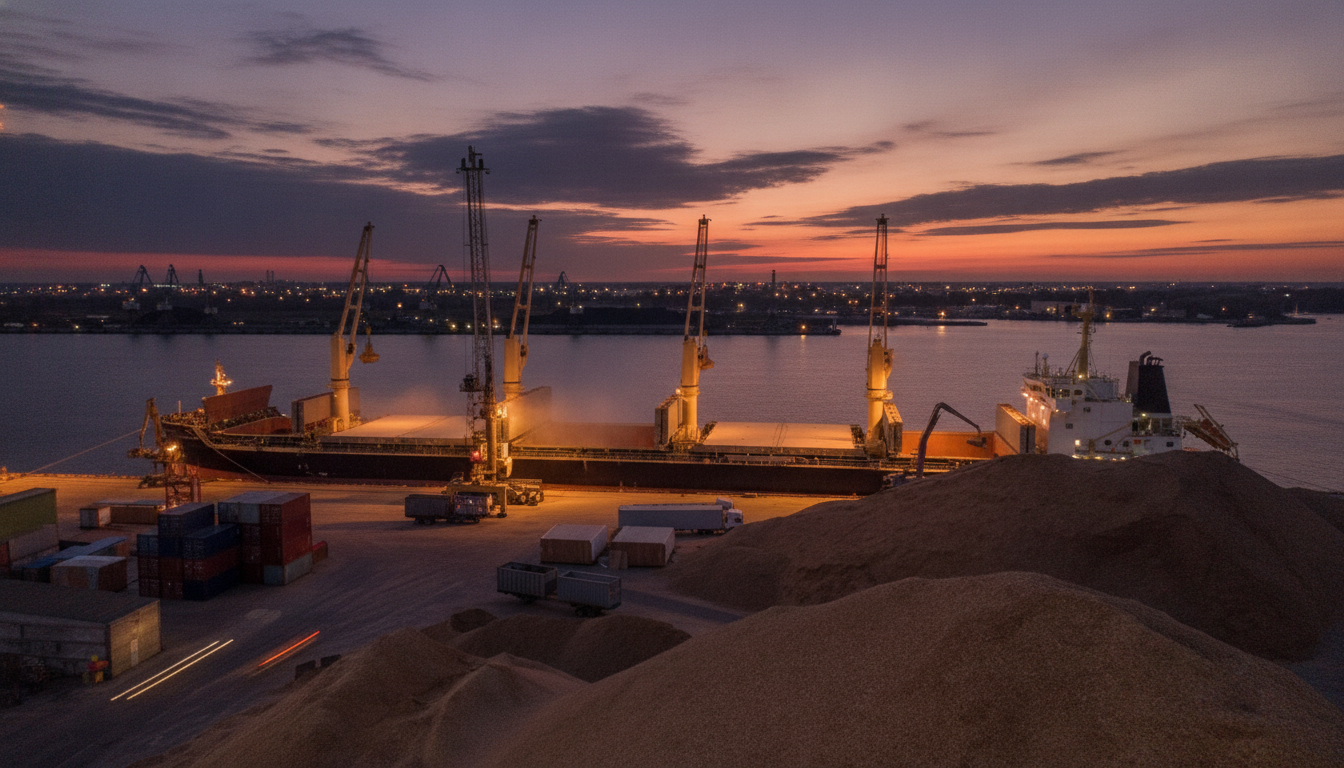
- Zelensky Warns of Black Sea Grain Corridor Blockade as Ukraine Calls UN Security Council Meeting
- EU sanctions on Russia slow down as member states prioritize economic interests
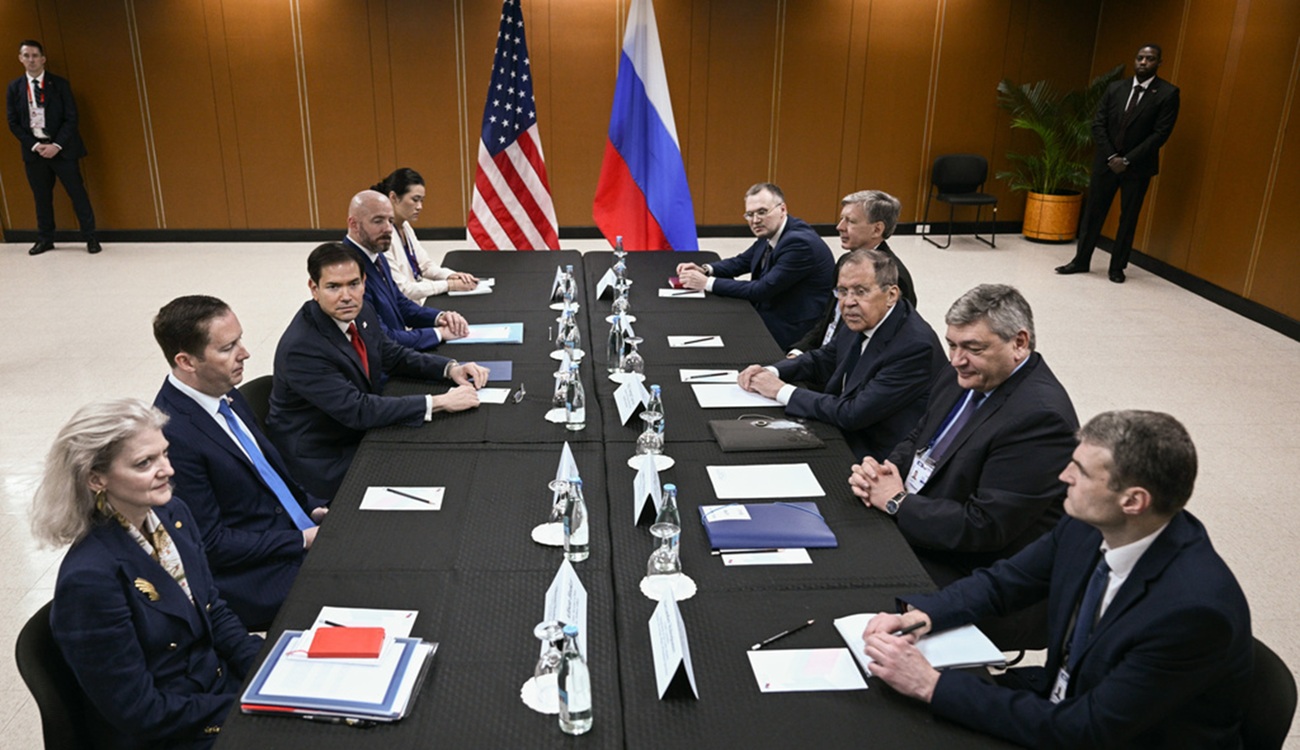
- A 35-Minute Manila Meeting Between Rubio and Lavrov Puts Ukraine War at the Center of Talks
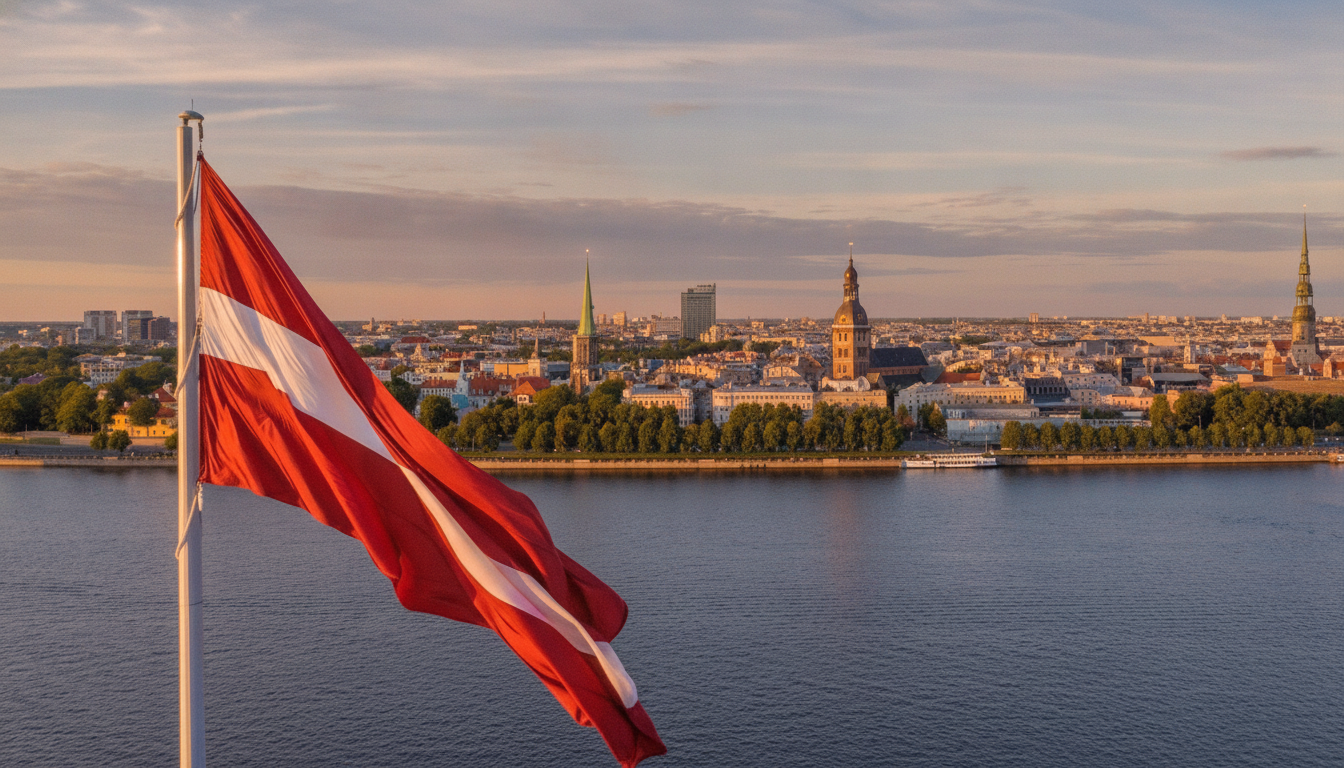
- Latvia Moves to Ban Imports from Russia and Belarus: Here's What Will Be Blocked
- Poland Faces Thousands of Daily Cyberattacks from Russia, Deputy PM Calls It Hybrid Warfare
- Poroshenko Takes Legal Battle to Grand Chamber and ECHR: Lawyers Appeal Sanctions Ruling