Estonia Open to Hosting Allied Nuclear Weapons, Says Foreign Minister.

Nuclear Threats in Europe
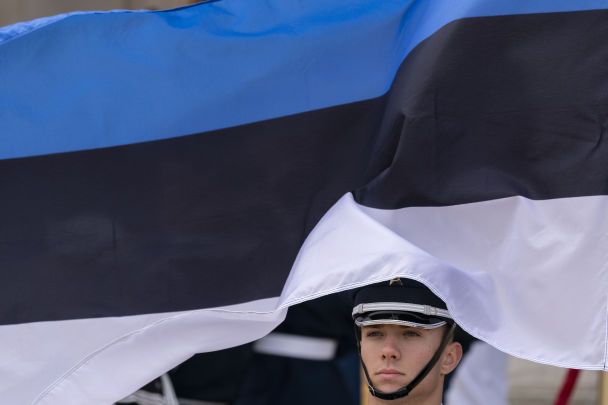
According to TSN.ua: Estonia's Foreign Minister, Margus Tsahkna, has stated that his country is open to hosting nuclear weapons from its allies. This position, reported by the Estonian public broadcaster ERR, reflects heightened regional anxieties. Tsahkna was quoted as saying:
“We are not against having nuclear weapons on our territory”. This stance comes amid growing concerns over security threats from Russia. The Baltic states, as NATO members, are at the forefront of the alliance's eastern flank.
In a related development, German Chancellor Friedrich Merz held talks with French President Emmanuel Macron to discuss nuclear deterrence strategy in Europe. These high-level discussions are part of a broader European response to a deteriorating security environment.
Separately, Polish President Andrzej Duda has emphasized the importance of Poland developing its own nuclear capabilities. He noted that
“Ukraine is threatened by Russia”, underscoring the perceived urgency of security issues in Eastern Europe.
Modernization and Security
Further highlighting regional preparations, Slovakia is modernizing Cold War-era nuclear bunkers. This move points to a continent-wide refocus on nuclear safety and deterrence. Collectively, these events signal increasing alarm among Baltic and Central European nations regarding potential Russian aggression and the perceived need to bolster defensive postures.
- Estonia's foreign minister declares openness to hosting allied nuclear arms.
- Germany and France hold talks on European nuclear deterrence.
- Poland stresses its ambition to develop a nuclear capability.
- Slovakia upgrades its legacy nuclear bunkers.
Against a backdrop of escalating tensions in Eastern Europe, the Estonian minister's statement and the actions of other nations underscore the renewed centrality of nuclear deterrence to regional security. This demonstrates how Baltic and Central European states are adapting their defense strategies to confront emerging challenges linked to Russian threats. Such steps could significantly alter the regional balance of power and intensify international friction.
Read also
- Cabinet Dismisses Deputy Defense Minister Ivan Havryliuk: Key Details
- Budanov Transforms the Presidential Office into a Governance Engine: What’s Set to Change
- Kremlin Acknowledges Receipt of Zelensky’s Letter to Putin
- Why Zelenskyy’s Letter to Putin Won’t Shift the Kremlin’s War Stance: U.S. Perspectives
- Ukraine’s Parliament Moves to Regulate E-Scooters: Proposed Speed Limits and Age Restrictions Unveiled
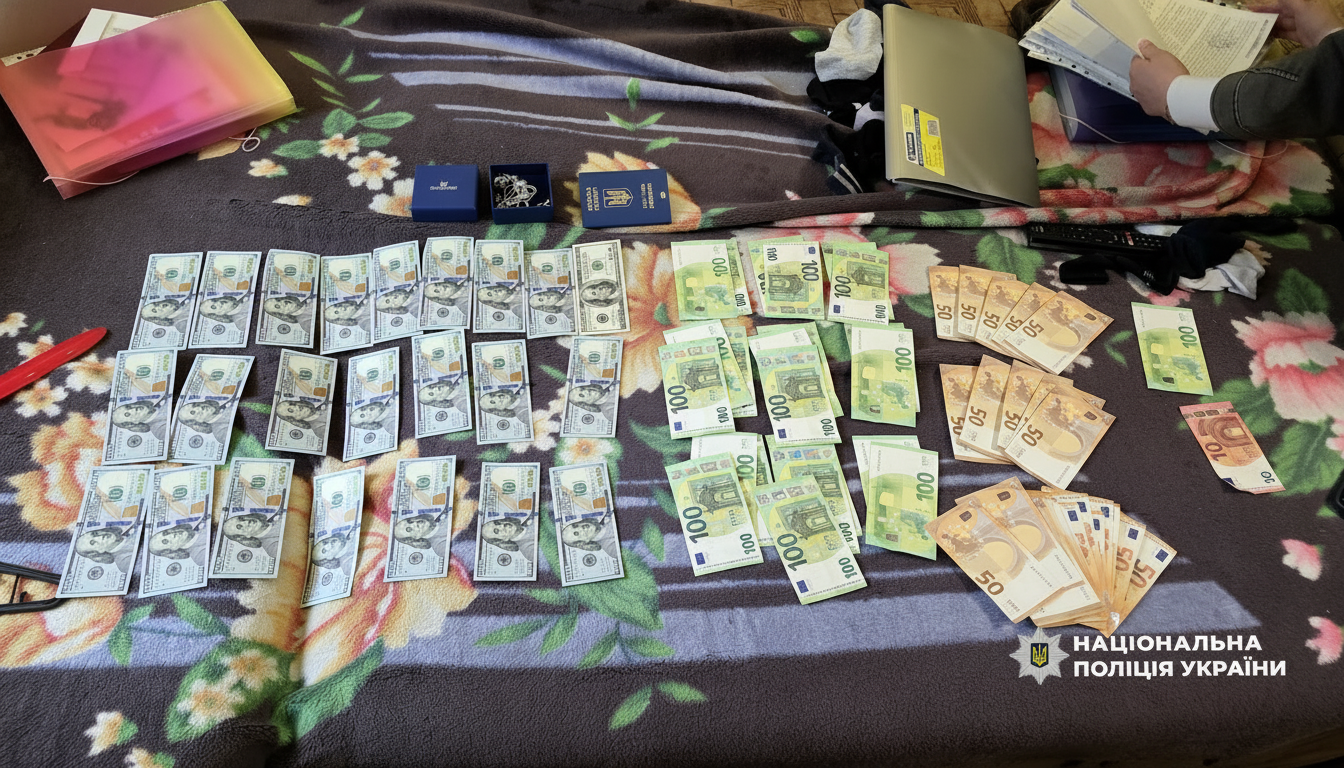
- Ukraine Police Uncover UAH 200 Million in Undeclared Assets from Officials: Inside Operation 'Aesculapius'