Estonia Joins 2026 Paralympics Boycott in Solidarity with Ukraine.

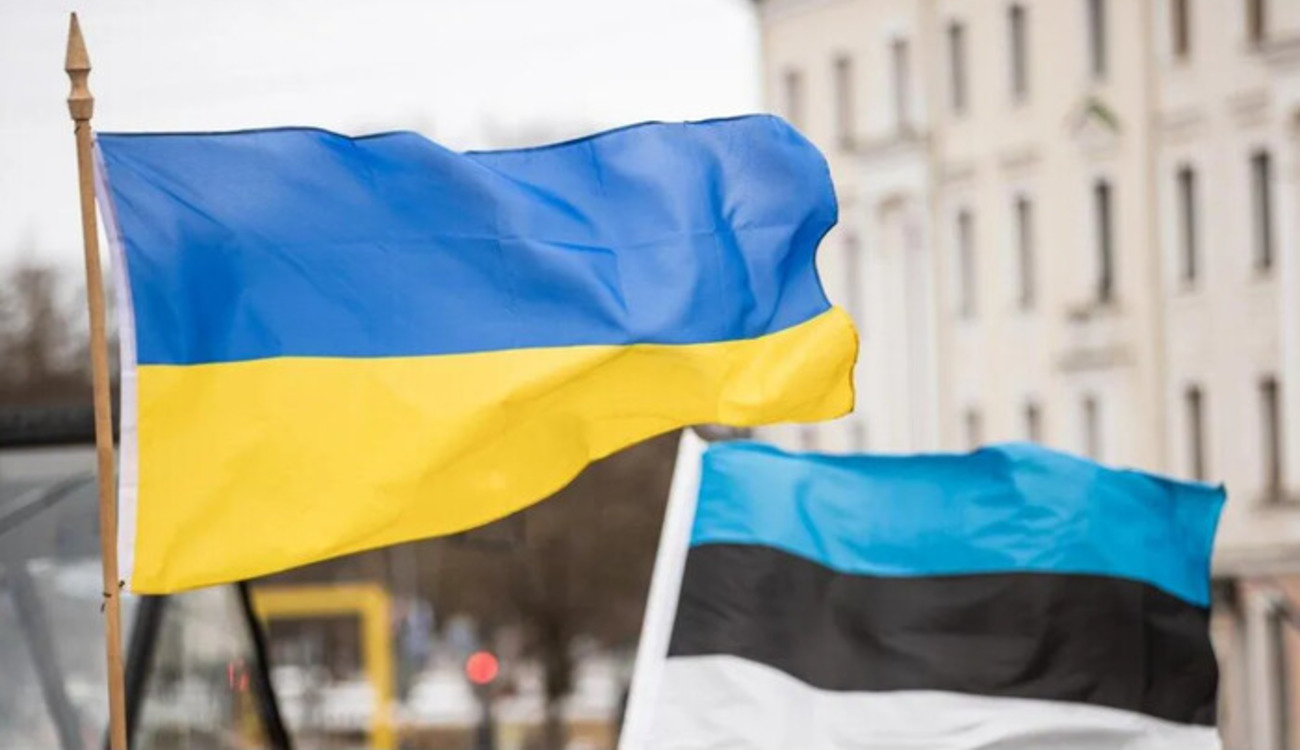
Estonia to Boycott Paralympic Games Ceremonies
According to UATV: In a show of solidarity with Ukraine, Estonia has declared it will join the political boycott of the 2026 Paralympic Games, scheduled for March 6–15 in Milan and Cortina. The Estonian Paralympic Committee will not participate in the opening or closing ceremonies, affirming its stance on current geopolitical events. This move aligns Estonia with other nations protesting the International Paralympic Committee's decision to allow Russian and Belarusian athletes to compete.
International Community's Response
The decision by the International Paralympic Committee and the International Ski Federation to grant ten licenses for participation to Russia and Belarus—six to Russian and four to Belarusian athletes—has drawn criticism from several nations. Ukraine has already announced a boycott of the 2026 Paralympics opening ceremony, with Poland also joining the protest. The issue highlights the ongoing tension between global sports governance and international politics following Russia's invasion of Ukraine.
Furthermore, Lithuanian Prime Minister Ingrida Šimonytė has expressed support for the boycott, emphasizing the importance of unity on matters of international sports competitions and political challenges. These actions by nations supporting Ukraine demonstrate growing solidarity and a willingness to confront aggression through diplomatic and symbolic means.
Estonia's move reflects a broader trend among nations backing Ukraine amid geopolitical strain. It also underscores the international community's focus on sports ethics and accountability. The reactions from Poland and Lithuania suggest a potential coalition forming to oppose the participation of Russian and Belarusian athletes in international competitions, which may influence future decisions by sports governing bodies. The 2026 Games are becoming a focal point for this geopolitical stance, extending the controversy seen at previous major sporting events.
Read also
- Ukraine Needs Its Own Ballistic Missile—Propaganda Can't Stop It, Says General Gavrilov
- Russian Logistics in Crimea Face Growing Threats: Gavrilov Identifies Key Vulnerabilities
- Plakhuta Urges No Smear Campaign Against Syrsky: What's Behind Fedorov's Resignation
- Trump Urges Congress to Combine Russia and Iran Sanctions Into One Bill
- Russia Offers to Mediate Between the U.S. and Iran
- Russia Planning a New Fall Mobilization: When Recruits Could Reach the Front Lines