Ukraine’s Ombudsman Calls for Mobilization Overhaul, Warns Impunity at Recruitment Centers Is Radically Polarizing Society.

Ukraine’s Mobilization Process Under Scrutiny
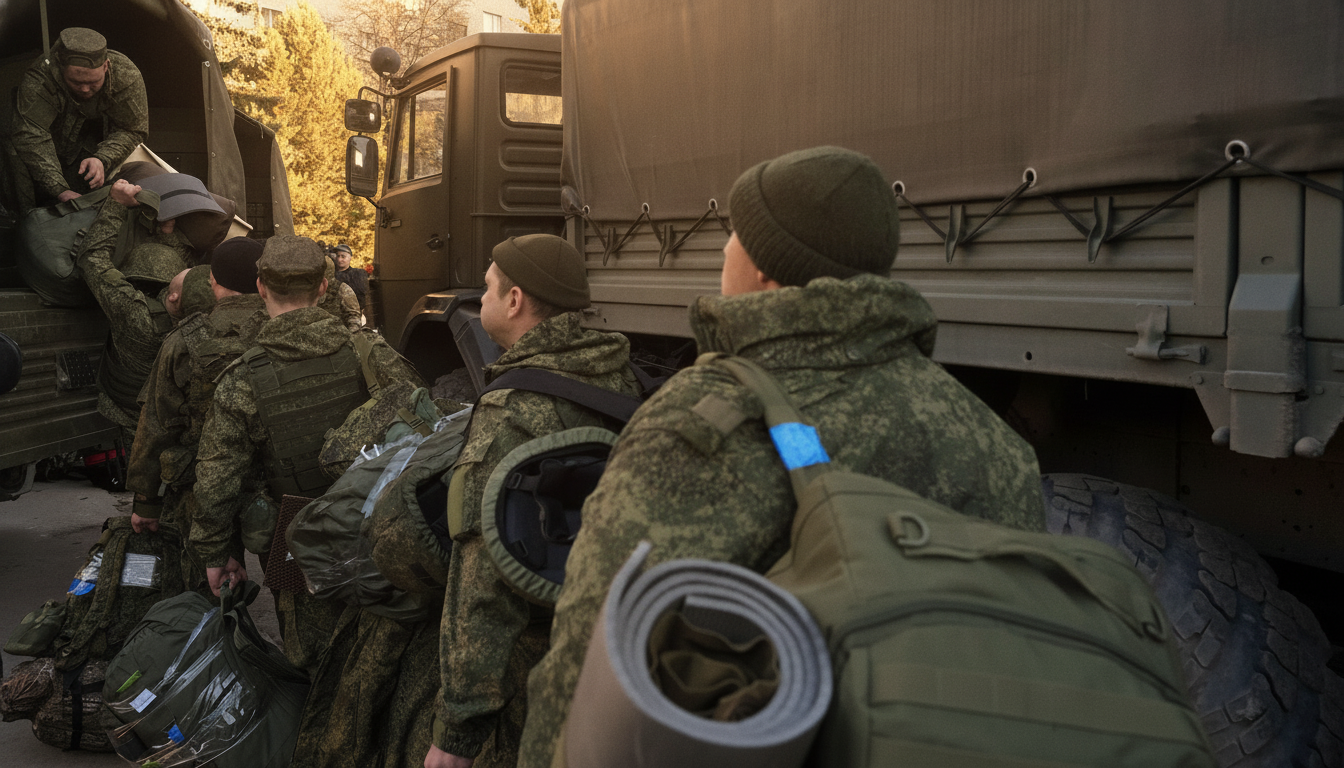
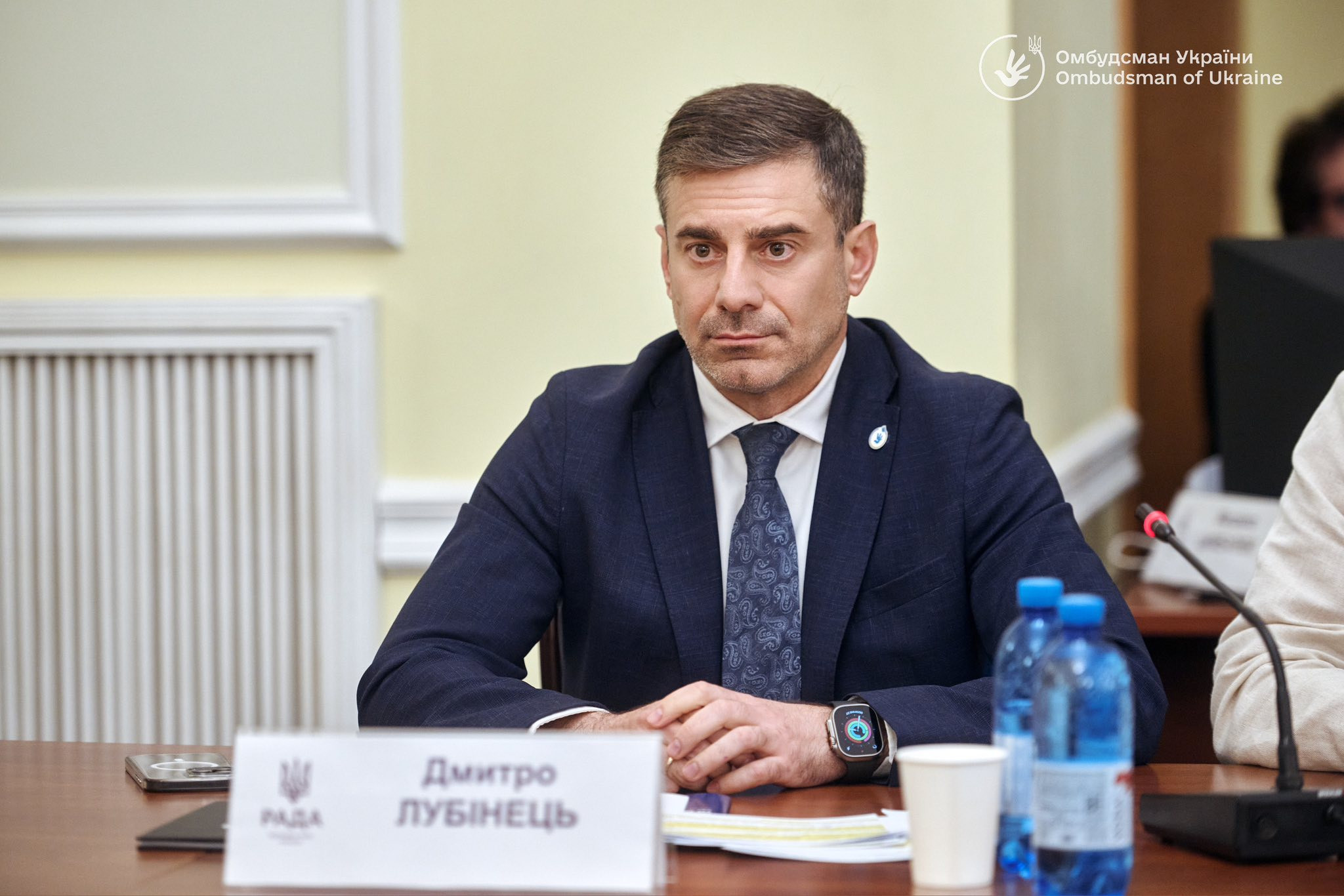
According to Espreso.tv: Dmytro Lubinets, the Ukrainian Parliament’s Commissioner for Human Rights, has urged a fundamental review of the country’s mobilization procedures. He stressed that transparency is essential, warning that a lack of accountability during the process could fuel societal radicalization. Lubinets noted,
“Lynching, unfortunately, is becoming an increasingly common phenomenon in Ukraine.”
Lubinets reaffirmed that Russia remains Ukraine’s primary adversary. During his remarks, he proposed revising how mobilization is conducted. In his view, personnel from Territorial Centers for Recruitment and Social Support (TCC and SP) should not be allowed to set up checkpoints, stop vehicles, or demand identification. He also emphasized the need to ensure decent social protections for veterans and military families.
Challenges and Proposed Solutions
Dmytro Lubinets pointed out that since 2023, he has repeatedly called for a dramatic increase in financial compensation for troops on the front lines.
“I have never publicly criticized the military; I have tried to work through closed meetings,”he added. Lubinets also noted that in 2026, law enforcement began issuing suspicions to TCC and SP employees largely due to his stance, indicating the presence of large-scale corruption schemes in this area.
Lubinets stressed that individuals should be taken to the National Police, not to TCC and SP facilities—a crucial step for upholding the rule of law during mobilization. His statements reflect a drive to improve the mobilization process, which could have a significant impact on the social climate in Ukraine.
Lubinets’ remarks underscore the urgency of reforming Ukraine’s mobilization system, particularly in safeguarding human rights and preventing social unrest. Under martial law, transparency and accountability among state bodies are critical for maintaining public trust. Changes to mobilization mechanisms could not only improve attitudes toward military service but also reduce the risk of corruption in this sector.
Read also
- Over 300 Ukrainian POWs Executed by Russian Forces, Ombudsman Reveals
- EU Council Sanctions Individuals for Torture of Ukrainian Prisoners: Full List Published
- Forced Child Evacuation Demanded After Ombudsman Flags Possible Abduction by Occupiers
- July 3rd Strike on Sumy: Four Dead Including a Child, 20 Wounded
- Ombudsman Demands Probe into Death of Newly Mobilized Man in Lviv Region as Family Reports Injuries
- Ukraine’s Ombudsman Pushes for Dedicated Housing Funds for IDPs, Citing Lack of a Victim Registry