Tax Audits for Sole Proprietors in Ukraine: Frequency and Triggers for Business Inspections.

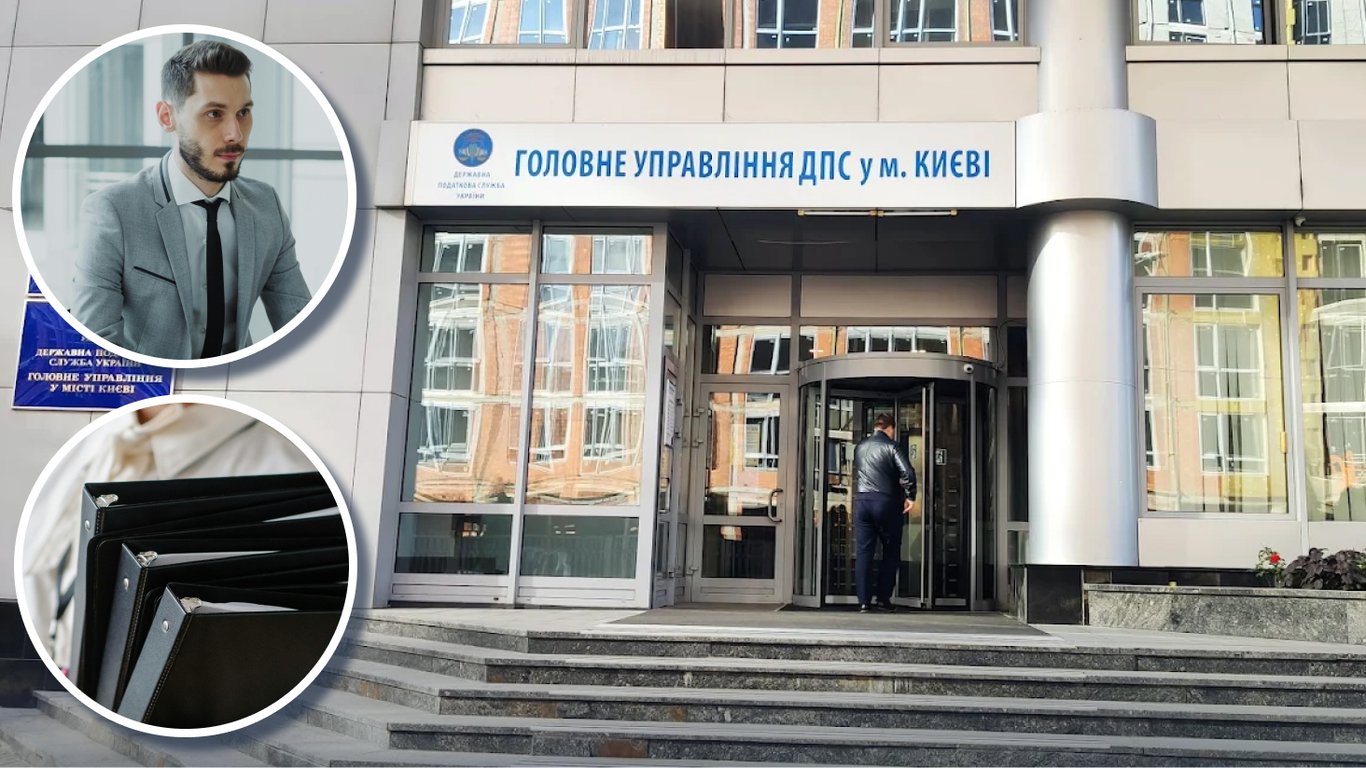
How Tax Authorities Monitor Sole Proprietors (FOPs)
According to Novyny.live: Once registered as a sole proprietor (FOP) in Ukraine, business owners come under the oversight of the State Tax Service. This body is authorized to conduct on-site audits, but no more than once every 12 months. The inspections cover multiple areas of business operations, including:
- cash circulation rules;
- procedures for payment transactions;
- cash register operations;
- possession of required licenses and permits;
- compliance with labor contract regulations;
- proper documentation of employment relationships with hired staff.
An on-site audit of a sole proprietor can be triggered for various reasons, most notably to enforce the cessation of legal violations. According to the Tax Code of Ukraine:
'An actual inspection may be carried out to ensure the termination of a legislative violation, but only once within 12 months from the date the report of the previous inspection was issued.'
Financial Obligations for Group 1 Sole Proprietors
For sole proprietors classified under Group 1, specific monthly financial obligations apply. These include:
- a single tax of UAH 332.80;
- a military levy of UAH 864.70;
- a unified social contribution of UAH 1,902.34.
This brings the total monthly tax burden for a Group 1 FOP to UAH 3,099.84. It is important to note that all sole proprietors in Groups 1 through 3 must pay their taxes by April 20, 2026, establishing a clear deadline for meeting these fiscal responsibilities.
For anyone planning to run a business in Ukraine, understanding these requirements is essential. Ukrainian entrepreneurs who register as sole proprietors must be prepared for regular tax monitoring and strict adherence to tax and mandatory payment rules. Compliance with tax legislation is key to ensuring smooth and stable business operations.
Given the fast-changing legal environment and economic conditions, business owners need to stay informed about their rights and duties. Tax authority oversight not only enforces legal compliance but also helps build a transparent business climate. Failing to meet tax obligations can lead to serious financial penalties, making timely preparation and payment critical.
Read also
- How Ukrainians Can Cut Mobile Costs: Smart Ways to Save on Plans This July
- How a Shorter Workweek in Ukraine Could Affect Employee Pay
- Red Cross Offers Grants from 164,000 to 274,000 UAH for Ukrainian Entrepreneurs
- Oschadbank Drops Fees on Pension Cards: New Rates Take Effect July 1, 2026
- Pension Card Fee Overhaul by Oschadbank: Key Changes Coming in July 2026
- Ukrainian Pensions to Stay Flat: What Retirees Will Receive Starting July 2026