Mass Audits Ahead for Ukrainian Sole Proprietors: Which Incomes Will Be Scrutinized Through 2027.

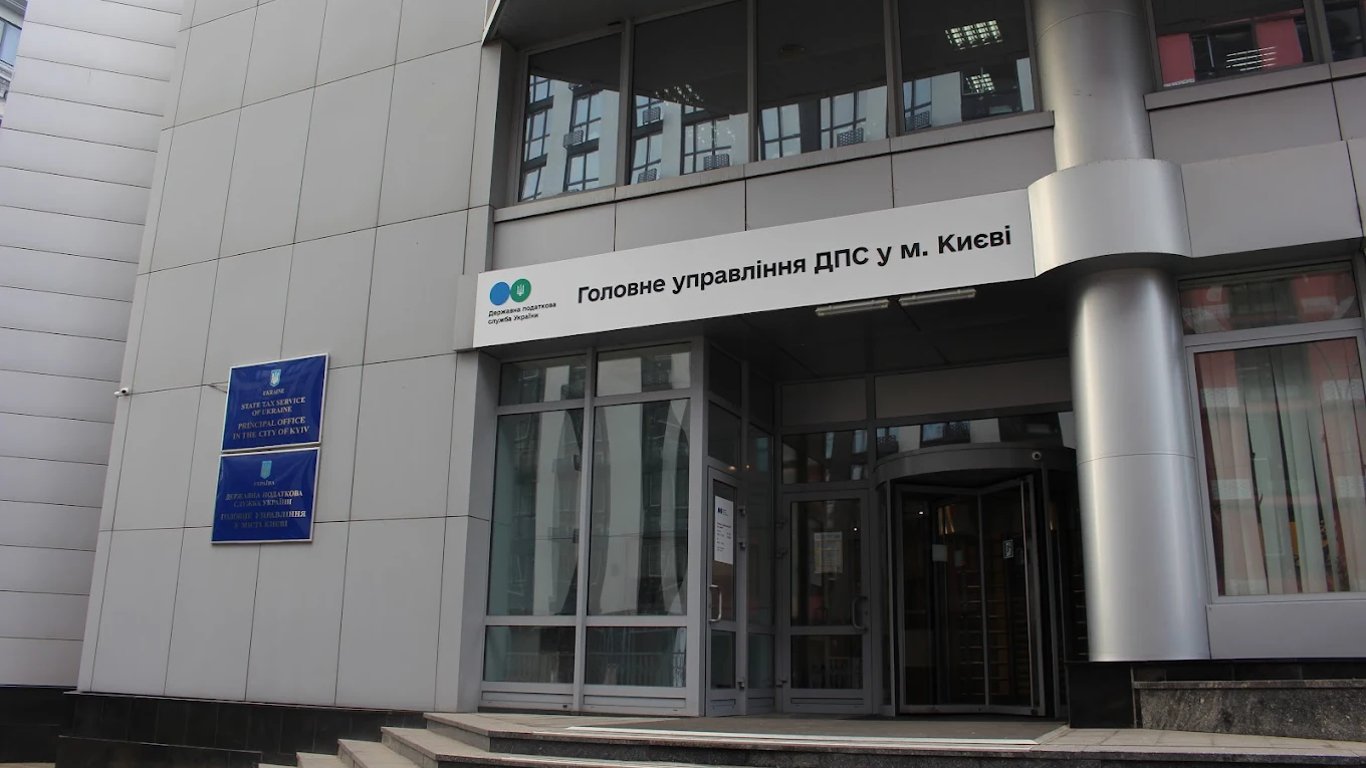
Sole Proprietor Tax Declaration Reviews in Ukraine
According to Novyny.live: Ukraine is set to review tax declarations filed by individual entrepreneurs (known as FOPs) for the years 2025 and 2026. This initiative, part of a broader 'major tax reform package,' aims to monitor business owners' earnings. Starting January 1, 2027, any sole proprietor whose annual revenue exceeds 4 million hryvnias will be automatically registered as a value-added tax (VAT) payer. While an earlier proposal had set the threshold at 1 million hryvnias, the updated rules have raised the bar for mandatory VAT registration.
Under the new framework, entrepreneurs will have the chance to verify their 2025 annual reports and/or their quarterly filings from 2026. This could streamline compliance processes for businesses and enhance transparency in tax matters. However, these changes also introduce stricter reporting requirements. Notably, quarterly reporting will replace the previous annual or quarterly options, and an updated excise tax declaration form has been introduced. FOPs must submit their reports by the 20th of each month, starting in March 2026.
Changes to Fines and Tax Rates
Penalty structures are also being revised. A proposal suggests reducing fines to just 1 hryvnia for the first five violations occurring during 2027, which could ease the financial burden on entrepreneurs. On the flip side, new rules impose a ban on leaving the country for individuals with tax debts exceeding 1 million hryvnias, provided the debt remains unpaid for 240 days.
As of 2026, Ukraine maintains three VAT rates: 20%, 7%, and 0%. Yet the shift to monthly reporting instead of annual or quarterly submissions, combined with more complex service cost calculations, may increase the overall tax burden on business owners. These developments have sparked debate within the business community and are expected to significantly reshape how enterprises operate in Ukraine.
The planned tax policy changes could have a major impact on small and medium-sized businesses, as new reporting requirements and potential penalties pose fresh challenges for entrepreneurs. The introduction of automatic VAT registration based on updated criteria also signals the government's intent to tighten oversight of tax revenues. These initiatives may force business owners to rethink their strategies in order to adapt to the evolving regulatory landscape.
Read also
- Drone Strikes on Refineries Trigger Fuel Crisis in Russia: One in Five Trucks Now Idle
- Russia’s Economy Shows Cracks as Stock Indexes and Business Sentiment Plunge to New Lows
- Russian Billionaire Andrey Melnichenko Shares His Vision for Russia’s Post-War Future
- Fuel Crisis in Russia Exposed by Intelligence: Gasoline Prices Surge by a Third
- Global Fuel Markets Shaken as Ukrainian Drones Undermine Russian Control
- Russian Business Owners Are Moving Billions Abroad Amid Fears of Asset Seizure and Forced War Funding