NATO Chief Rutte Warns Against a Separate EU Army, Citing Security Risks for Europe.

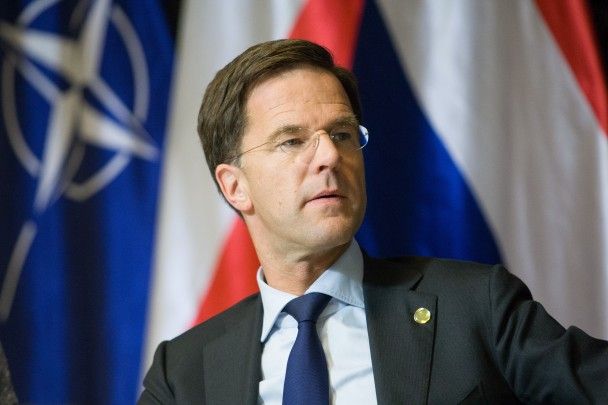
NATO Secretary General's Remarks
According to TSN.ua: Speaking before the European Parliament's defense committee in Brussels on January 26, NATO Secretary General Mark Rutte cautioned against forming a separate European army, arguing it would undermine the continent's security. He stressed that NATO remains the cornerstone of collective defense and that only a combined effort between NATO and the EU can effectively protect Europe. This debate occurs amid ongoing discussions about European strategic autonomy and its relationship to the transatlantic alliance.
Potential Consequences for European Security
While acknowledging that creating a European army alongside national forces is a sovereign right, Rutte warned such a move would create complications. He argued it would likely result in:
- the need to recruit more military personnel,
- a strain on defense resources,
- and potentially please Russian President Vladimir Putin.
The NATO chief further stated that Europe cannot defend itself alone. Without U.S. support, European nations would face the need to dramatically increase defense spending, develop their own nuclear deterrent, and lose the primary security guarantee of the U.S. nuclear umbrella.
"Rutte called for preserving existing collective security mechanisms, emphasizing the critical importance of NATO-EU cooperation for ensuring Europe's stability and protection."
Mark Rutte
Rutte's comments reflect NATO's concern that a standalone EU military force could weaken Europe's collective security framework. The issue is particularly relevant given current geopolitical challenges, including Russian aggression, which underscores the vital role of established intergovernmental structures like NATO. Enhanced cooperation between NATO and the EU is seen as a key factor for maintaining regional stability against potential threats.
Read also
- Rutte Reaffirms U.S. Commitment to NATO: What This Means for Europe’s Security Landscape
- NATO’s Future Under Scrutiny: Can the U.S. Be Trusted? Rutte and Støre Weigh In
- At the G7 Summit in Évian, Macron Announces Support for Ukraine and Iran Talks
- Ukraine Anticipates Air Defense Breakthrough at NATO Summit in Ankara: Inside the Drone Deal
- NATO Set to Announce €70 Billion for Ukraine Ahead of Ankara Summit
- Ongoing Russia-Ukraine War: Expert Identifies the Core Hurdle in Peace Talks