A Step-by-Step Guide to Reviving Your Generator After Winter Storage.

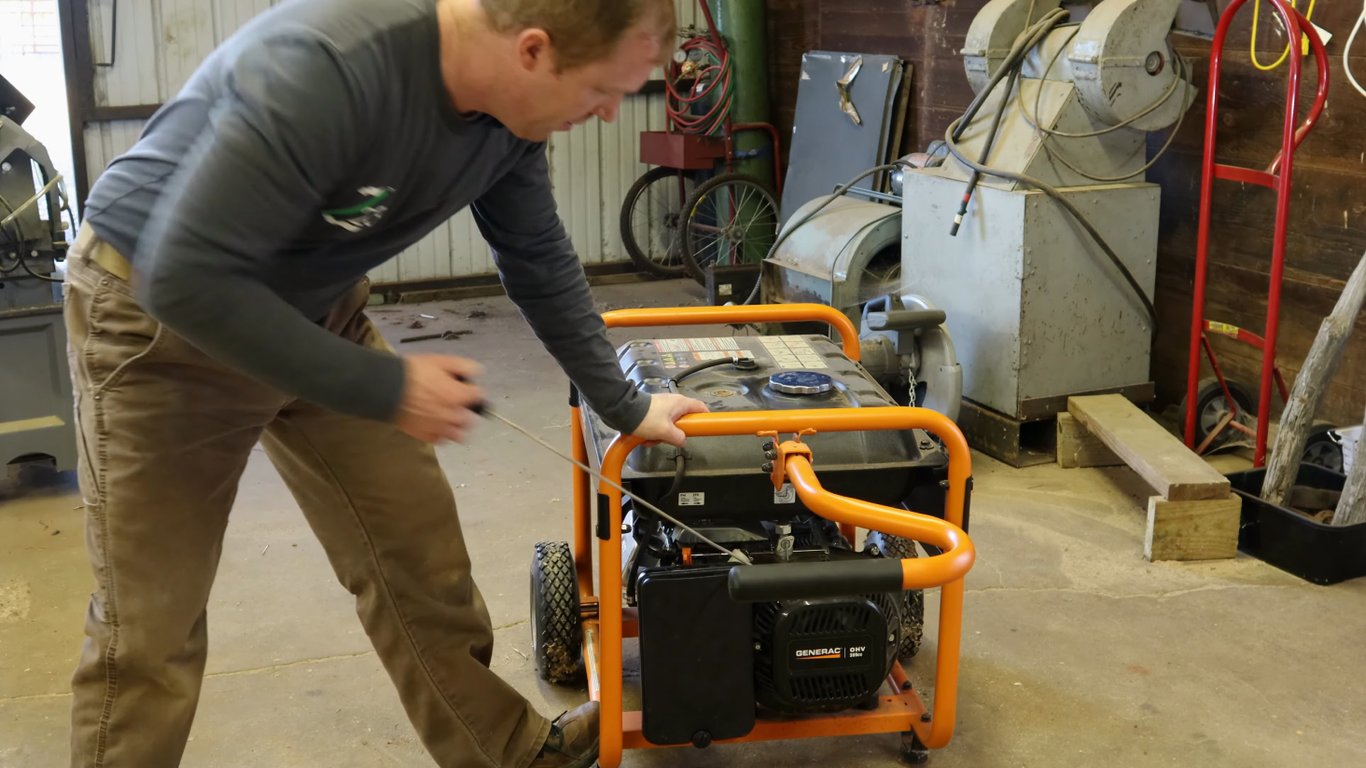
Diagnosing a Generator That Won't Start After Winter
According to Novyny.live: Extended winter storage can lead to various startup failures in generators, often stemming from issues with fuel, the spark plug, or the battery. Following a clear, methodical troubleshooting sequence is crucial to avoid frustration and get your unit running again, focusing on the core maintenance aspects of the equipment.
Before attempting to power any appliances, it's advisable to inspect the generator and start it without any load connected. This helps identify potential faults that may have developed during the idle period. A fouled or faulty spark plug is one of the most common reasons for a no-start condition, making its inspection a vital first step. Furthermore, if gasoline has been sitting in the tank for several months, it may have degraded and lost its combustibility, which can also prevent a successful start.
Inspecting Key Components
Blockages in the fuel valve, sediment cup, or filter can obstruct the flow of gasoline to the carburetor, leading to startup failure. For models equipped with an electric starter, verifying the battery charge level is essential, as insufficient power will prevent the engine from cranking. Inverter generators feature sensitive electronic control systems that may require additional attention during your inspection.
- Inspect and clean or replace the spark plug
- Check the fuel valve, sediment cup, and filter for blockages
- Test the battery charge level on electric-start models
For proper operation, do not connect the load immediately. Allow the generator to run at idle for approximately 1-2 minutes first to let its operation stabilize. Also, ensure the choke is in the closed position when starting a cold engine. If the generator still fails to start, the cause may be more serious and require professional diagnosis.
Overall, adhering to these guidelines will help ensure reliable operation of your generator following its winter downtime, which is critical for its effective use during power outages or in off-grid situations. Regular seasonal maintenance is a key practice for generator owners, as it significantly extends the unit's lifespan and prevents costly, unexpected repairs. Always consult your owner's manual, as different models may have specific servicing and starting requirements.
Read also
- Antique Musket Balls Repurposed Into Solar Cells with 94% Efficiency
- South Korea Patents a Silent Engine for Air Taxis
- 144 FPS at 4K: A Gamer Pairs an RTX 3090 and RTX 3050 for Stunning Performance
- Snapdragon 8 Elite Gen 5: Qualcomm’s New Chip Targets Sub-$600 Smartphones
- Samsung Unveils Three New Odyssey Gaming Monitors: Specs and Features Revealed
- Plastic Waste Converted into Jet Fuel: New Breakthrough by Chinese Researchers