Putin's Global Influence Wanes as Key Alliances Falter.

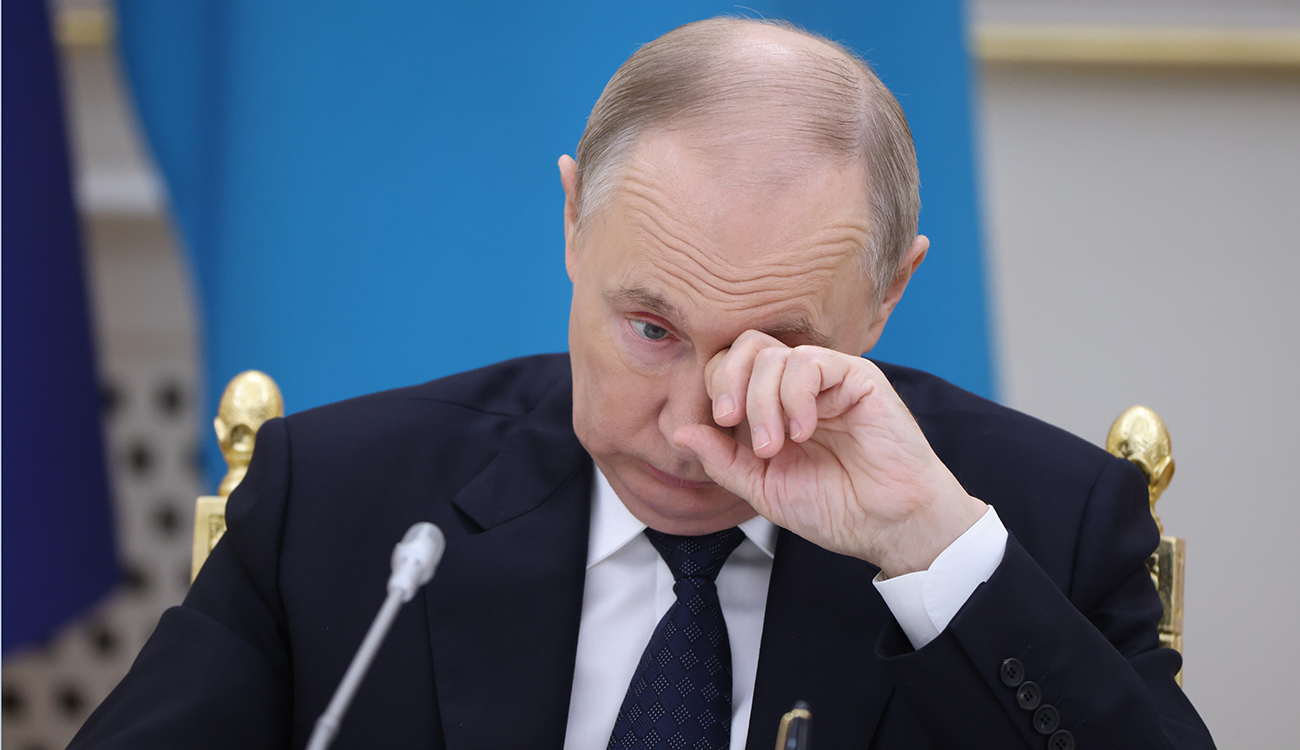
Russia's Geopolitical Network Shows Signs of Strain
According to UATV: Evidence is mounting that Russia's international influence under Vladimir Putin is declining, with key partnerships in Venezuela and Iran now appearing vulnerable. This shift highlights how strategic alliances once considered robust are facing significant pressure. Several critical factors are contributing to this erosion of power:
- The seizure of tankers by U.S. authorities,
- Mounting economic difficulties within Russia,
- The refusal of Asian oil refineries to accept Russian shipments.
On January 7, 2023, U.S. officials captured the tanker Marinera (also known as Bella 1) in the Atlantic and the tanker Sophia in the Caribbean Sea. These incidents underscore the escalating tensions between Russia and the United States and signal a reduction in the effectiveness of Russia's global economic strategies. Following sanctions against companies like 'Rosneft' and 'Lukoil', Asian refineries began rejecting Russian cargo, further exposing weaknesses in the Russian economy. This comes as Russia's war in Ukraine continues to drain its resources and diplomatic capital.
In August 2021, Putin hosted Venezuelan President Nicolás Maduro in the Kremlin in an effort to strengthen ties. However, current circumstances suggest this bond is growing increasingly fragile. While Iranian authorities expressed support for Russia's invasion of Ukraine in February 2022, Iran may now reconsider its stance in light of Russia's deepening domestic troubles.
Alexander Leonov, an international relations expert, comments: 'Putin is incapable of protecting his allies.'
This observation reflects a growing uncertainty about Russia's ability to support its partners in a complex international environment. Leonov further notes that 'Russia risks being left isolated,' a scenario that could have profound consequences for the country's future on the world stage.
Consequently, Putin's geopolitical network, once perceived as formidable, is confronting serious challenges that threaten its very existence. Amid growing economic woes and international isolation, Russia's prospects appear increasingly uncertain.
The noted events demonstrate how shifts in global politics and economics can impact traditional alliances and national strategies. The diminishing support from key partners like Venezuela and Iran may force Russia to reassess its foreign policy and adapt to new realities. Simultaneously, this creates fresh opportunities for other international actors who might capitalize on Russia's waning global position. Given the uncertainty surrounding Russia's future, the international community will need to monitor subsequent developments closely.
Read also
- Germany Reacts with Alarm as Russia Stakes New Arctic Claims on Franz Josef Land
- Peace Isn't Putin's Goal; Economic Pressure Alone Could Force Him to End the War, Expert Says
- Peace in the Iran conflict depends on Putin, with Ukraine being the US's sole ally, per a political expert
- Russian Army to Grow by 27,000 Troops as Putin Signs Third Expansion Decree This Year
- New Civil Defense Protocols from Russia’s Rosgvardiya: Mobilization and Wartime Safeguards Added for the First Time
- Kremlin Eyes Fresh Mobilization Drive: Up to 500,000 Troops Could Be Deployed to the Front