Doomsday Clock Moves to 85 Seconds to Midnight, Signaling Unprecedented Global Peril.

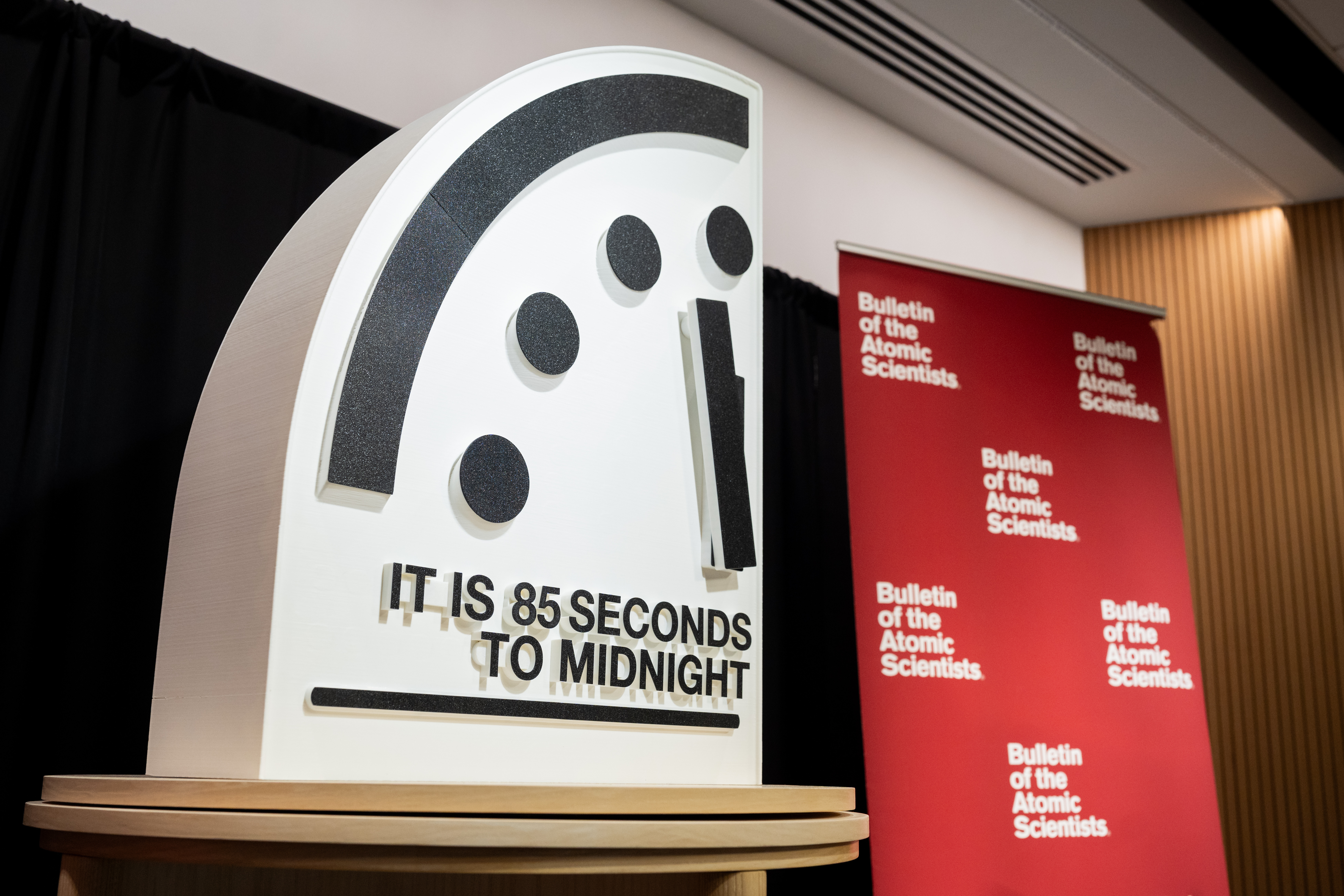
Doomsday Clock Ticks Closer to Catastrophe Than Ever Before
According to Vox - Технології: The Doomsday Clock, a symbolic measure of humanity's proximity to global disaster, has been set to 85 seconds to midnight. This is the closest the clock's hands have ever been to the symbolic point of annihilation since its creation in 1947. The Bulletin of the Atomic Scientists, which maintains the clock, cited escalating nuclear tensions, the accelerating climate crisis, and the rise of authoritarianism as key drivers for this alarming adjustment. This symbolic timepiece is a stark reminder of the cumulative risks facing our interconnected world.
The Dangers Posed by Emerging Technologies
In a separate but related warning, Dario Amodei, CEO of Anthropic, highlights the profound dangers of artificial intelligence in his 19,000-word essay, 'The Adolescence of Technology'. Amodei argues that humanity is acquiring near-unimaginable power through AI, raising critical questions about whether our social, political, and technological institutions possess the maturity to wield it responsibly.
'Humanity is gaining access to almost unbelievable power, and it is unclear whether our social, political, and technological systems have the maturity to manage it.' Dario Amodei
The dire warning from the Doomsday Clock, coupled with expert concerns over artificial intelligence, underscores the urgent need for coordinated global action to ensure safety and stability. The inherent uncertainty of technological advancement demands a cautious and ethically guided approach to its development and deployment.
This latest update to the Doomsday Clock emphasizes the growing threat posed by the convergence of multiple global crises. Heightened geopolitical tensions, unchecked climate change, and the rapid, unregulated development of technologies like AI are causing deep concern among experts. It is imperative that world leaders and civil society take decisive steps to avert potential catastrophes that threaten human existence. This requires not only political will but also the active engagement of the scientific community and the public in discussions about the ethical and societal impacts of new technologies.
Read also
- Antique Musket Balls Repurposed Into Solar Cells with 94% Efficiency
- South Korea Patents a Silent Engine for Air Taxis
- 144 FPS at 4K: A Gamer Pairs an RTX 3090 and RTX 3050 for Stunning Performance
- Snapdragon 8 Elite Gen 5: Qualcomm’s New Chip Targets Sub-$600 Smartphones
- Samsung Unveils Three New Odyssey Gaming Monitors: Specs and Features Revealed
- Plastic Waste Converted into Jet Fuel: New Breakthrough by Chinese Researchers