Doom Spending: How to Stop Impulsive Purchases Due to Stress.


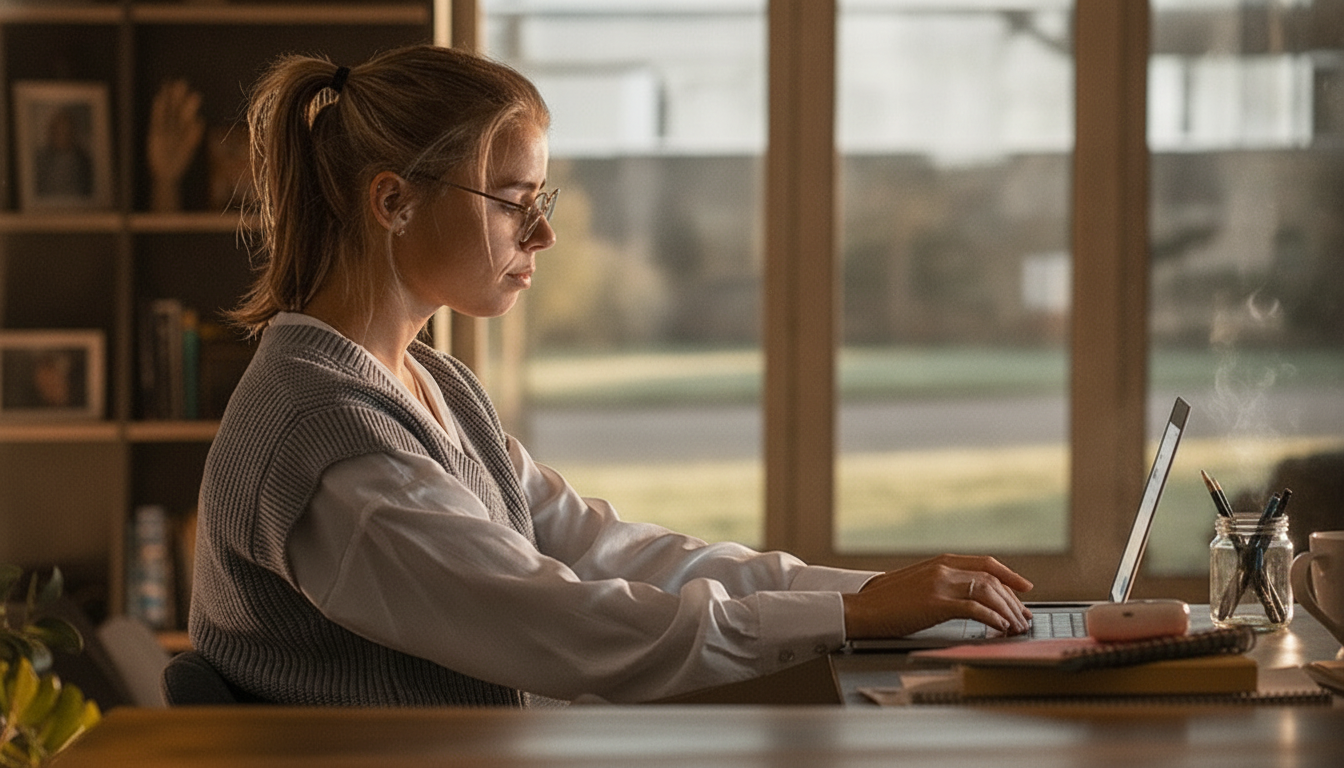
Maria Bello, a woman from Colchester, found herself in debt after spending £6,000 on clothes she didn't wear. She used shopping as a way to cope with stress and seek attention after a breakup. Despite the temporary happiness it brought her, she ended up with a wardrobe full of clothing with the tags still on.
According to The Sun: As a child in Italy, Maria spent her pocket money on sweets and stickers to feel in control and fit in with her friends. This habit continued into adulthood, escalating into thousands of pounds spent on clothes in London. Maria's emotional spending was a way to escape unhappy memories and seek comfort in shopping.
Understanding Doom Spending
Many people use spending as a coping mechanism, a habit known as doom spending. When feeling low or stressed, buying things can provide a quick emotional boost. Maria's spending increased when she got her first credit card, leading to a spiral of debt and financial struggles.
It took Maria years to break free from doom spending. Pursuing her dream of working in fashion and becoming a mother were catalysts for her to stop. She realized she needed to end the cycle of emotional spending and take control of her finances.
How to Stop Doom Spending
If you find yourself compulsively shopping to cope with emotions, there are steps you can take to break the cycle. Simonne Gnessen suggests pausing before making a purchase, tracking your triggers, and finding healthier ways to reward yourself. By replacing spending with activities that bring genuine joy, you can regain control over your finances.
Today, Maria helps women heal their relationship with spending and style as an image and identity coach. She has implemented a capsule wardrobe and color palette, avoiding impulsive shopping and focusing on what truly brings her joy. While her relationship with money has not completely changed, Maria feels more empowered to control it.
After her breakup, Maria lost control of her spending and fell into debt due to the large amount of unworn clothing. She recognized the problem of emotional spending, which helped her reach out to professionals and change her attitude towards money.Read also
- Ukraine Launches Free AI-Powered Job Platform: What This Means for Job Seekers
- Facing Diesel Shortages, Russia Bans Exports and Turns to Imports for the First Time
- Kyrgyzstan Scrambles for Fuel as China and Belarus Step In to Replace Russia
- UDP Leadership Accused of Asset Theft: Losses Hit $7 Million
- Russia Faces Fuel Crisis: Putin Admits Shortages as Moscow Prepares to Import Petroleum Products
- Half a Million Bankruptcies in One Year: Russia’s Economy on the Brink of Collapse