Experts share a simple test for food safety for infants: how to avoid risk.

According to The Sun: Mealtime for a child can be a stressful time for parents, especially when trying to transition the little one to solid food.
She calls it the 'squeeze test' and says it’s important for minimizing choking hazards.
Mama and CEO of the Australian parenting organization Tiny Hearts Education, Nikki Jurkatz, shared a video advising moms and dads on what to do.
She wrote: 'This simple trick is a quick way to check if food is safe for your little one.'
'Squeeze the food between your index finger and thumb to simulate the pressure of chewing with a toothless gums child.'
'If the food squishes easily, it’s likely safe to give to the little one.'
'If it doesn’t squish easily, you need to modify, replace or avoid it to minimize choking risks.'
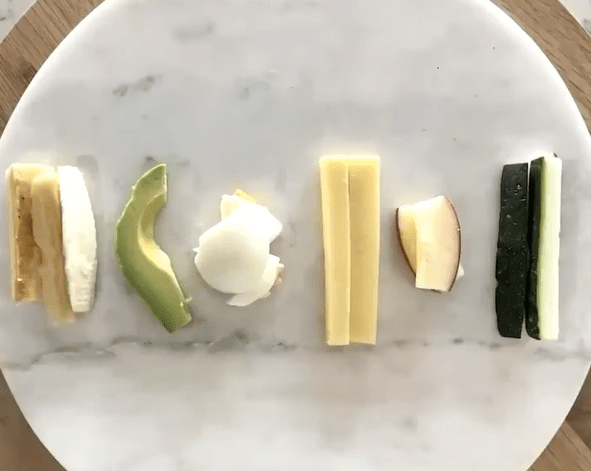
She demonstrates how to mash pieces of banana, avocado, egg, cheese, which are all soft and safe for toothless babies.
However, when she tried squeezing an apple and cucumber, it was much harder, so that food needs to be prepared differently for the baby.
Yet, the mom added: 'You can always choke on anything, so knowing what to do is extremely important.'
'If the little one starts choking, remember - 'five to stay alive.'
'Five back blows, followed by five chest thrusts, repeatedly until the obstruction is removed, help is on the way, or the little one loses consciousness and requires CPR.'
Yesterday, we reported that she warned parents that some Easter eggs can be more dangerous for kids.
She said smaller and harder eggs pose a choking hazard, so parents should avoid them for young children.
Larger or hollow eggs are a better choice as they can be mashed into smaller pieces.
The National Health Service of the UK says that if a person is choking but can still cough, they can usually expel the obstruction themselves.
You should support them in coughing to clear the obstruction.
But if coughing doesn't help, you can start back blows.
If you need to perform back blows on someone who is choking, then the National Health Service recommends the following:
- Stand slightly behind and to the side of them. Support their chest with one hand. Lean them forward so that the object causing their choking comes out of their mouth and doesn’t go further down.
- Give up to 5 sharp blows between the shoulder blades with the palm of your hand. The palm is between your hand and wrist.
- Check if the obstruction has been removed.
- If not, deliver up to 5 chest thrusts.
Most importantly, always be vigilant when feeding children, especially as they transition to new types of food. By following the advice to check food for suitability for the little one, parents can maximize their children’s protection from choking risks and unpleasant situations during mealtime.
Read also
- Heatwave Death Toll Rises: Record Mortality in France, Belgium, and the Netherlands as Ukraine Finally Cools Down
- Kyiv Residents Warned by Doctor About Toxic Air Dangers Following Russian Strikes
- Lung Cancer Surge Predicted After Kyiv Strike: Doctor Warns of 'Burned Air' Danger
- Rising Solar Activity Set to Trigger G2 Magnetic Storm on Earth, July 3
- Over 500 Soldiers Identified as Drug Addicts and a Tuberculosis Outbreak Rock the 'Skelya' Regiment
- Medicare Launches $50 GLP-1 Plan: Who Qualifies for Weight-Loss Drugs?