In the UK, the trade in human bones is thriving: where do the remains come from.

The trade in human remains: current issues
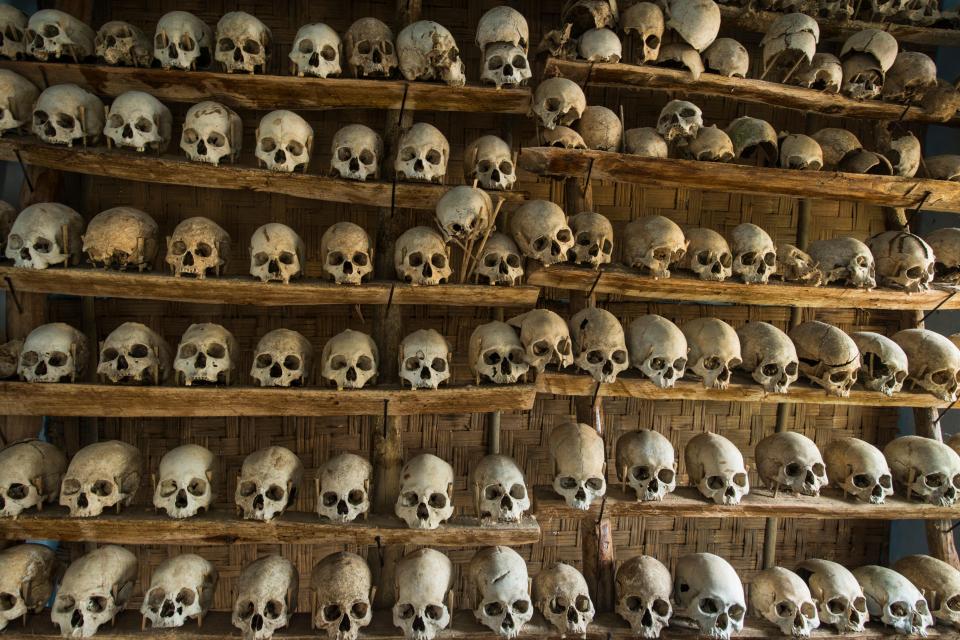
According to The Sun: Browsing social media, it becomes evident that human body parts, such as legs, fingers, and skulls, are sold for substantial sums of money. Despite the horrifying situation, the activities of so-called 'death merchants' are entirely legal — there are no laws in the UK prohibiting the buying and selling of human bones.
Alamy
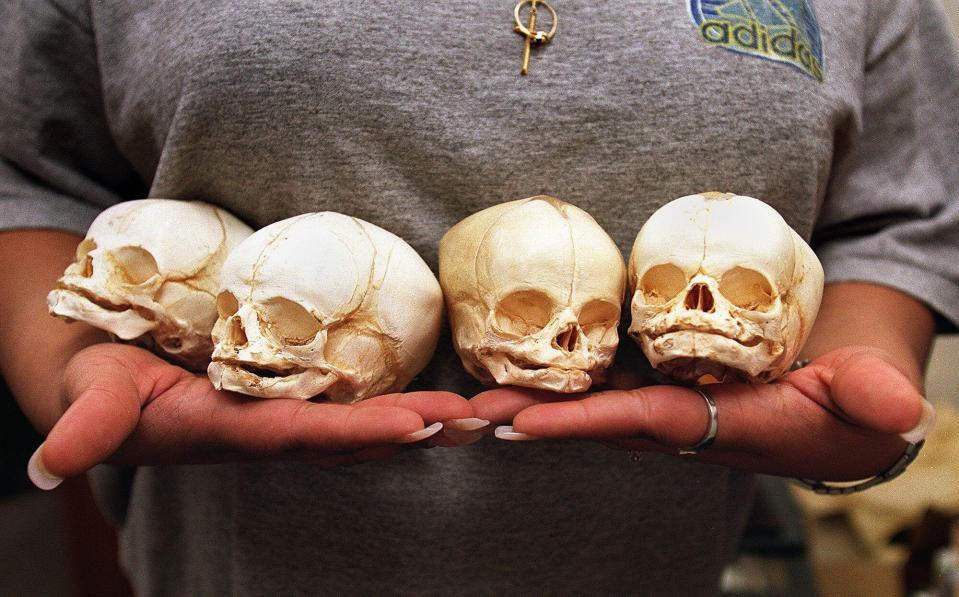
Many people in the UK who purchase necklaces made from teeth or cups made from skulls may be shocked to learn that most of the bones being sold were stolen from graves in other parts of the world. The growing popularity of the bone trade in Britain has raised new concerns about grave robbing.
Social media platforms, such as Facebook and Instagram, have become venues for this trade. Studies have shown that users post ads like 'all human legs already on discount' and 'bones and skulls for sale, serious buyers only'.
Ethics and commerce in the trade of human remains
People in Britain are interested in buying human bones for various reasons — from use in making grotesque jewelry to application in herbs. Henry Scragg, the owner of 'Curiosities from the 5th Corner' in Essex, offers items made from human remains, including skulls and Siamese twin fetuses.
“Some people consider my activity wrong and unethical business, but I run it with respect,” says Scragg.
Research indicates that real human skeletons have been used in medical classes for centuries. Currently, to purchase your own bones, you will need considerable funds — the price for fists can be around £100.
Scott Carney, a journalist and author of the book 'The Red Market,' emphasizes that many of the bones circulating in the market come from graves, primarily in India. This raises serious ethical challenges, as most bones are considered stolen.
“Calcutta exported about 60,000 skeletons a year at its peak,” he notes.
UK legislation on the sale of human bones
In the UK, the sale of human bones lies in a legal gray area, as there is no clear prohibition against such transactions under current legislation. The Human Tissue Act of 2004 regulates the use of human tissues for transplantation, research, and public display, but does not address private sales of bones.
“If the sale of bird nests can be banned, then why not ban the sale of human remains?” asks Sue Black, a leading forensic expert in the UK.
The demand for human bones is rising, raising numerous ethical questions. Society is beginning to become aware of the issues surrounding this trade, and perhaps new initiatives to impose bans will emerge in the near future.
Read also
- EU Ambassador Details Aftermath of Devastating July 2 Strike on Kyiv
- French Court Fines Tanker Owner €1 Million for Violating International Sanctions
- Ukraine’s General Staff Rejects Russian False Claims of Bus Attack: Key Details
- Russia Is 'Running Out of Steam': Expert Explains Drop in Missile Strikes
- Russian Offensive Slows to 50 Meters Per Day as Moscow Loses Ground
- Shift in Momentum: General Keith Kellogg Says Ukraine Has Gained the Upper Hand for the First Time Since 2023