Iran Proposes Nuclear Concessions to Secure U.S. Sanctions Relief.

U.S.-Iran Talks Scheduled
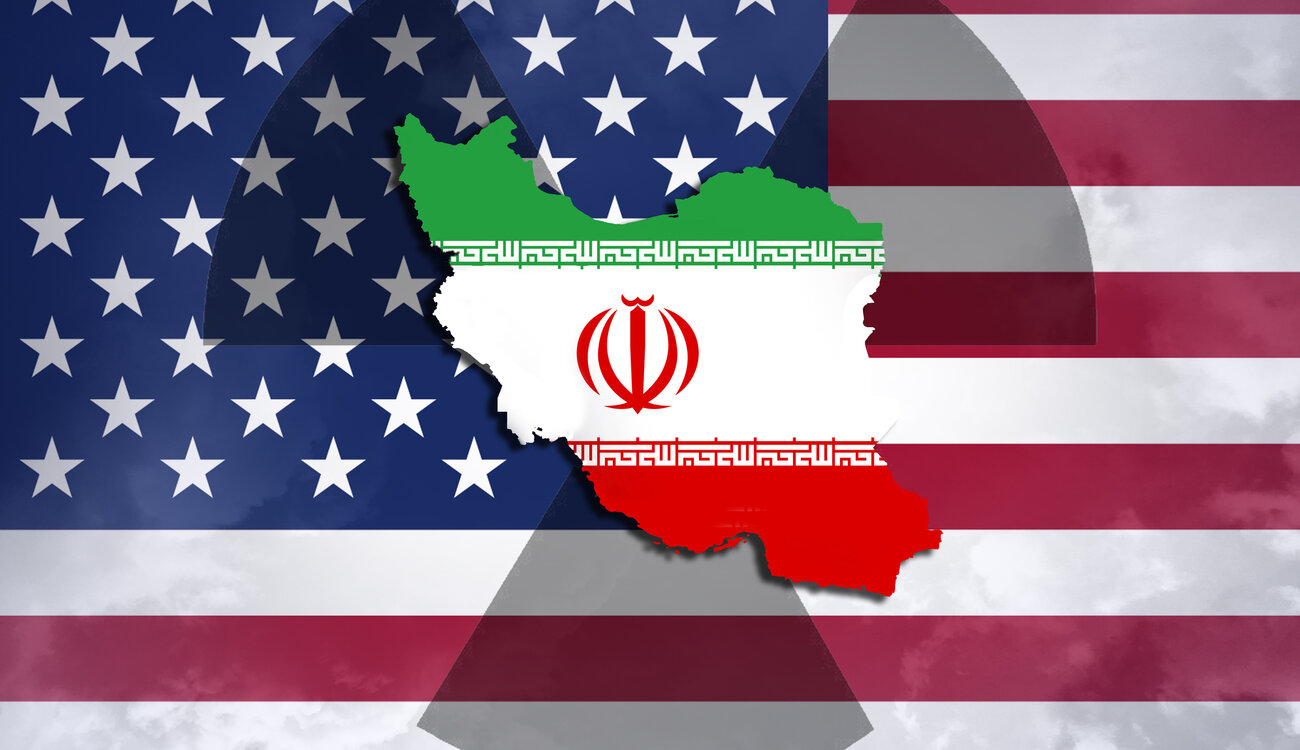
According to UATV: Iran has signaled its willingness to make concessions on its nuclear program in exchange for the lifting of sanctions and recognition of its right to enrich uranium. This development marks a potential turning point in U.S.-Iranian relations, with talks between the two nations scheduled for February 27 in Geneva. A U.S. official stated that Washington is prepared to meet for detailed negotiations, provided Tehran submits a proposal draft within 48 hours. These talks represent a critical diplomatic channel for de-escalating long-standing tensions.
Military Tensions and Domestic Shifts
The diplomatic maneuvering occurs against a backdrop of heightened military tension. On February 19, U.S. President Donald Trump stated that a decision on Iran could be made within 10 days, while also considering the possibility of a limited military strike, underscoring Washington's serious intent. Complicating the regional security picture, Iran has signed a secret deal with Moscow worth approximately 500 million euros for the supply of anti-aircraft missile systems, which could alter the military balance.
Furthermore, China, Iran, and Russia are conducting joint naval exercises in the Strait of Hormuz. As expert Igor Semivolos noted,
“these military drills are intended to demonstrate Iran's readiness and resolve to act proactively.”The situation is further complicated by internal political changes in Iran: Supreme Leader Ali Khamenei has transferred state management authority to the Secretary of the Supreme National Security Council. These events point to potential shifts in Iranian policy that may affect upcoming negotiations with the U.S.
In the context of potential talks, any concessions from Tehran could be viewed as a strategic move to reduce international pressure and improve the country's economic situation. The secret arms deal with Russia and joint military exercises with China indicate Iran is working to bolster its regional standing, which will likely influence the negotiation dynamics. The developments over the coming days are therefore poised to be crucial in shaping a new geopolitical reality in this volatile and strategically vital region.
Read also
- Over 60 U.S. Senators Back Graham’s Bill for 100% Tariffs on Russian Energy Exports
- New U.S. Strikes Hit Iran: Chabahar Port Tower Destroyed in Latest Escalation
- China Challenges US Dominance in AI: Xi Jinping Proposes a New Global Body
- Why Russia Sees Turkey as a Viable Negotiation Hub: Three Key Reasons
- Trump Alleges Leak of 220 Million U.S. Voter Records, Demands Investigation
- Trump Declares Victory Over Iran as New Strikes Hit the Strait of Hormuz, Resuming War