Why Putin Might Negotiate: Strikes on Refineries and Fuel Shortages, Says Ex-U.S. Official.

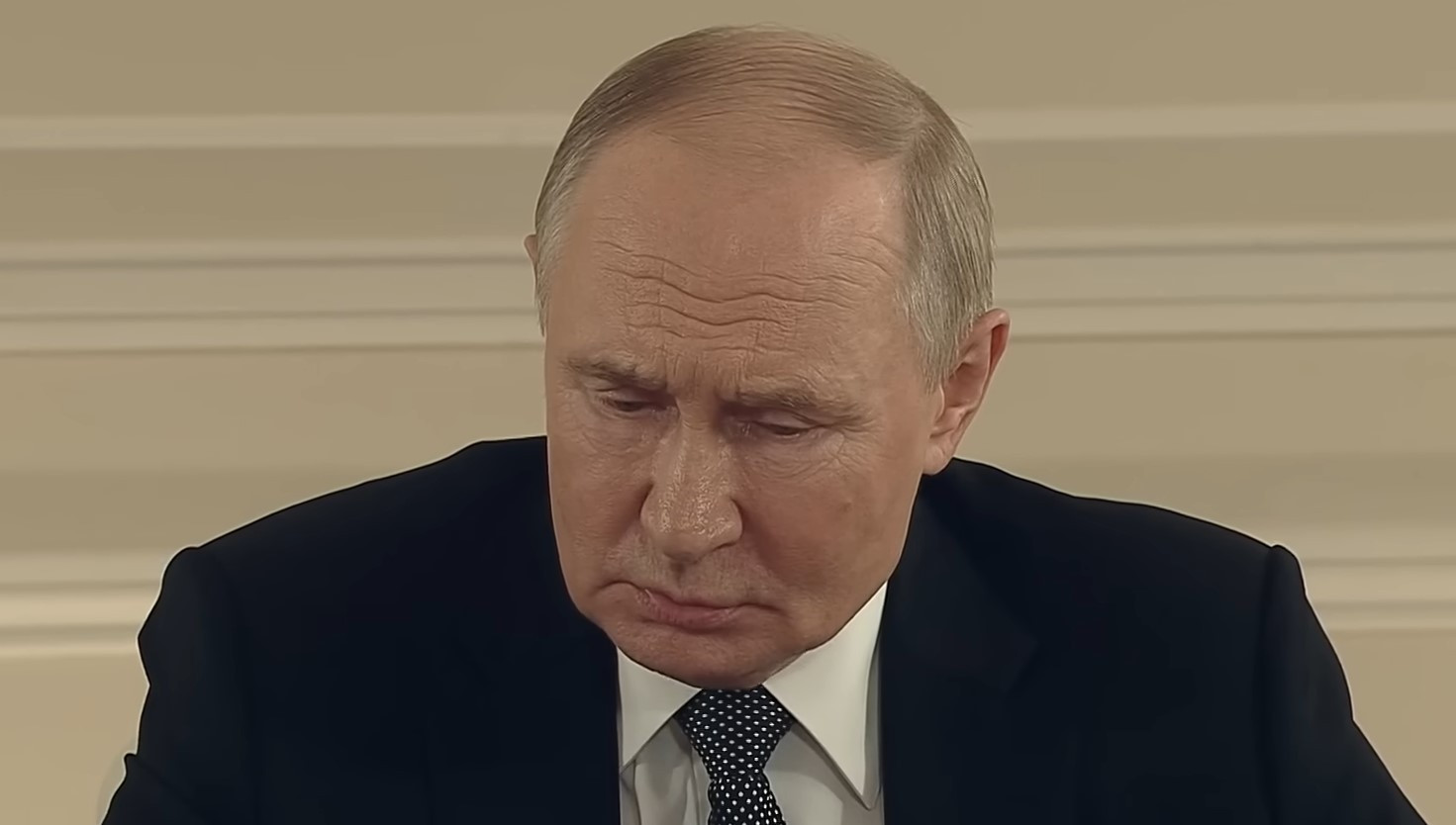
What Could Drive Putin to the Negotiating Table
According to Espreso.tv: Matthew Bryza, a former director for Europe and Eurasia at the U.S. National Security Council, recently discussed the factors that might push Russian President Vladimir Putin to agree to talks. According to Bryza, conditions weakening Russia could prove decisive. He specifically pointed to Ukrainian strikes on Russian oil refineries, fuel infrastructure, and logistics routes, combined with growing public discontent, as pressures that might force Putin to reconsider his stance.
Social Unrest and Its Political Fallout
Bryza noted that Putin’s public approval has dropped to 66%, the lowest level since Russia launched its full-scale invasion of Ukraine. This decline reflects rising social tension, fueled by fuel shortages—especially in occupied Crimea—and confrontations at gas stations. Facing a fuel crisis and increasing public frustration, Bryza said, Putin is listening to his advisors, watching societal moods, and recognizing that the war is becoming increasingly costly for Russia.
“We don’t know when Putin will realize that Russia cannot win this war.” — Matthew Bryza
Bryza also emphasized that circumstances weakening Russia could be pivotal in shaping new approaches to resolving the conflict.
As Russia’s internal problems begin to undermine political stability, the likelihood of negotiations may rise. The decline in Putin’s public support signals escalating dissatisfaction, which could push the government toward international action—including seeking ways to end the war in Ukraine. This could open new avenues for diplomacy and a peaceful resolution to a conflict that has remained tense for an extended period.
Read also
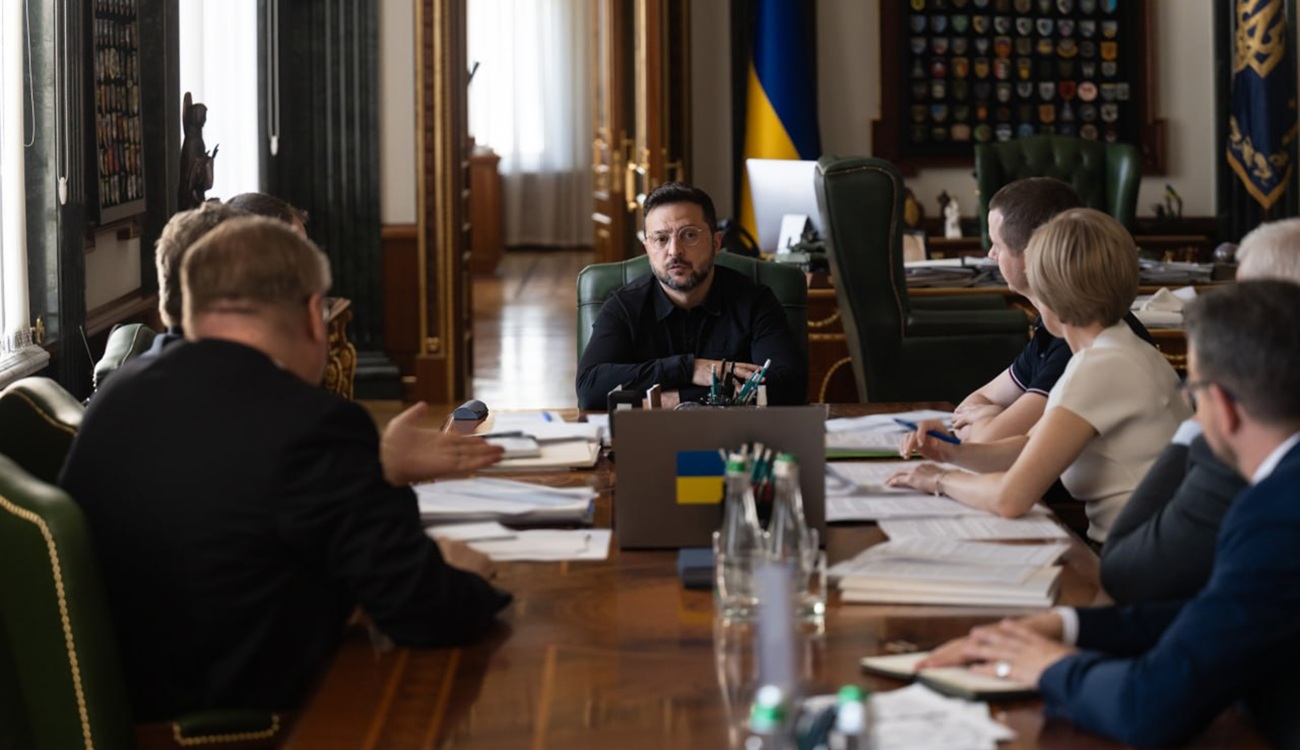
- New Phase in Ukraine-Poland Ties Announced by Zelensky: What Lies Ahead
- Zelensky Breaks His Own Pledge: How the President Undermined Constitutional Order
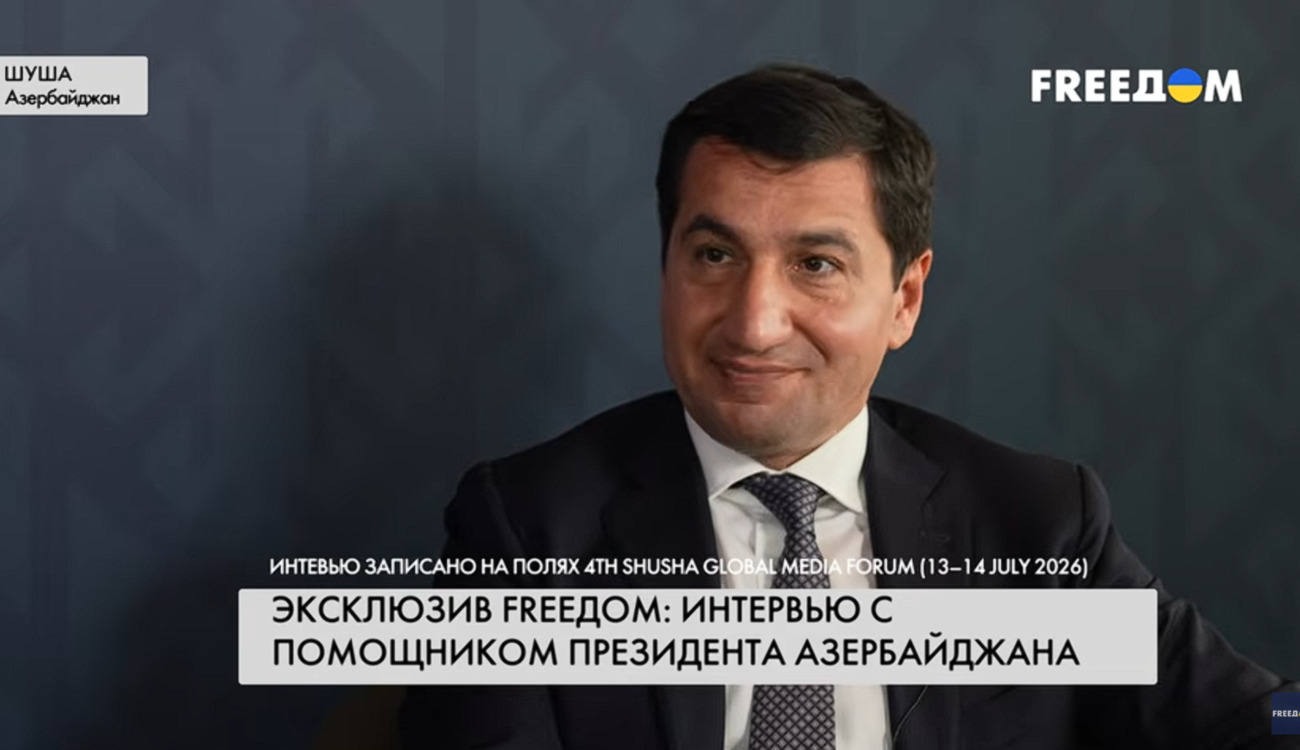
- Azerbaijan Offers to Host Peace Talks Between Ukraine and Russia
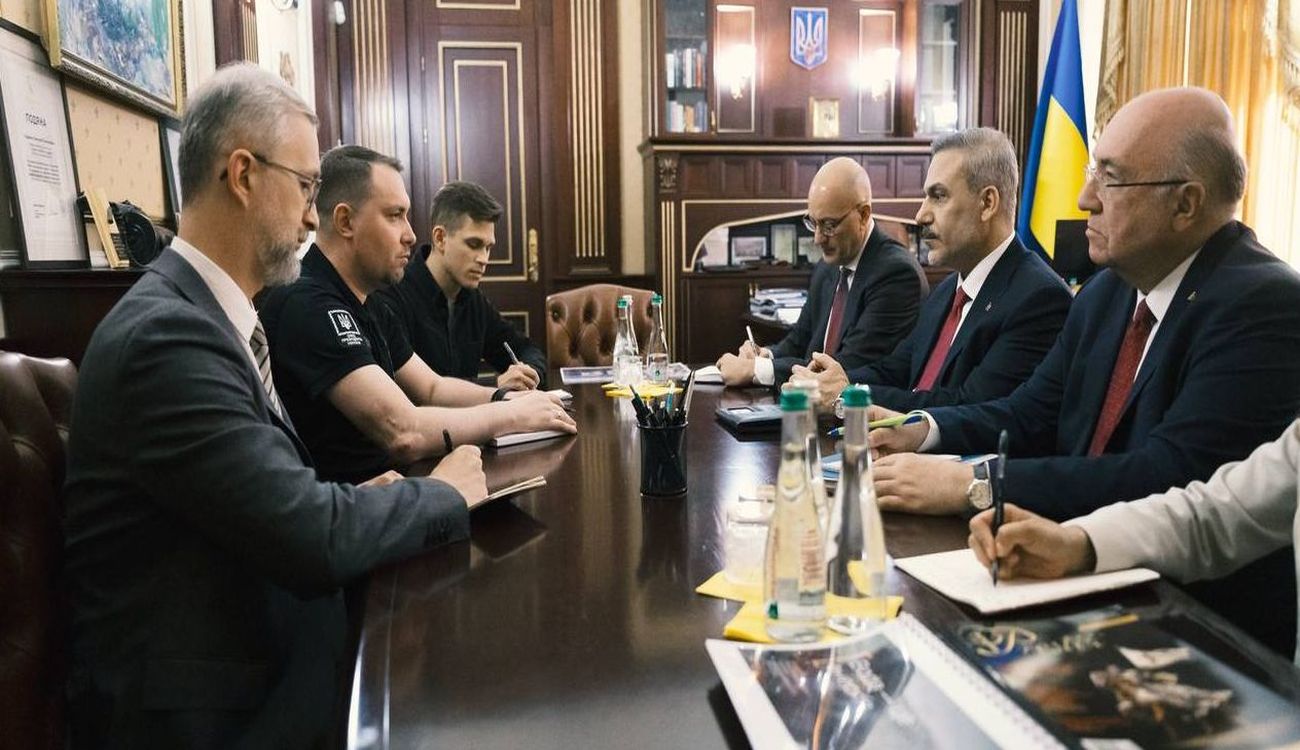
- Turkey and Ukraine’s Budanov Discuss Reviving Peace Talks to End the War
- Over 60 U.S. Senators Back Graham’s Bill for 100% Tariffs on Russian Energy Exports
- EU Set to Finalize 21st Sanctions Package Against Russia: Decision Timeline Revealed