U.S. Aims to Block Nuclear Weapon Development as Iran Considers Sending Highly Enriched Uranium to Russia.

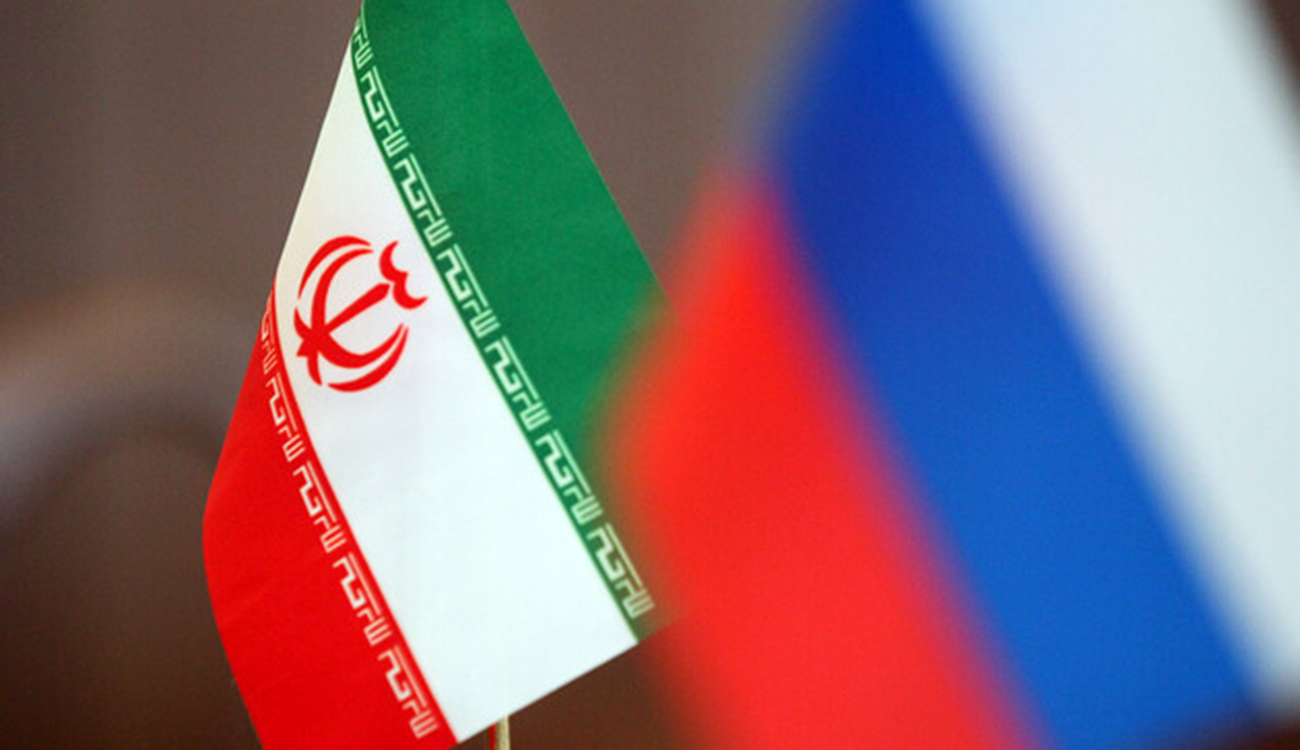
Negotiations Between Iran, Russia, and the U.S.
According to UATV: In a significant development, Iran is prepared to halt its uranium enrichment for up to three years and may transfer its existing stockpile of highly enriched uranium to Russia. This move is a key part of ongoing negotiations with the United States, which seeks a formal agreement to prevent the development of nuclear weapons. Iran is reported to possess enough uranium to produce approximately twelve nuclear warheads. This potential deal represents a critical juncture in the long-standing international effort to curb Iran's nuclear capabilities.
Complicating the situation, a portion of Iran's nuclear facilities were damaged by U.S. strikes in June 2025, leaving significant uranium reserves trapped under the rubble of these sites. Furthermore, Iran has announced a partial closure of the Strait of Hormuz amid these talks with the U.S. This strategic waterway is a vital global shipping lane for Middle Eastern oil exports, meaning any disruption could have immediate repercussions for worldwide energy markets.
Implications for Regional Stability
These events indicate notable progress in U.S.-Iran negotiations, which could significantly impact regional stability and global security. While a pause in uranium enrichment might reduce tensions between Iran and Western nations, the dual challenges of the damaged nuclear infrastructure and the Strait of Hormuz closure present new risks for the international community.
- The global economy's reliance on energy routes through this region adds a layer of complexity to the already volatile situation.
- Close monitoring is essential given the rapidly shifting political landscape.
Read also
- Crimea Solidarity Shuts Down After Being Labeled a 'Foreign Agent': What Led to This
- Burnham and Merz Discuss Ukraine Aid: What’s Known About the New 'Coalition of the Willing'
- Crimean Solidarity Shuts Down After Being Labeled a 'Foreign Agent' – What You Need to Know
- 21 Fuel Tankers Destroyed in 72 Hours: Ukraine’s Strategy to Isolate Crimea
- Zelenskyy Proposes New Role for Fedorov to Merge Technology and National Security
- Zelenskyy Announces New Commander-in-Chief of Ukraine's Armed Forces: Who Replaces Syrskyi