Why Tehran Prefers Subtle Coercion Over Blocking the Strait of Hormuz.

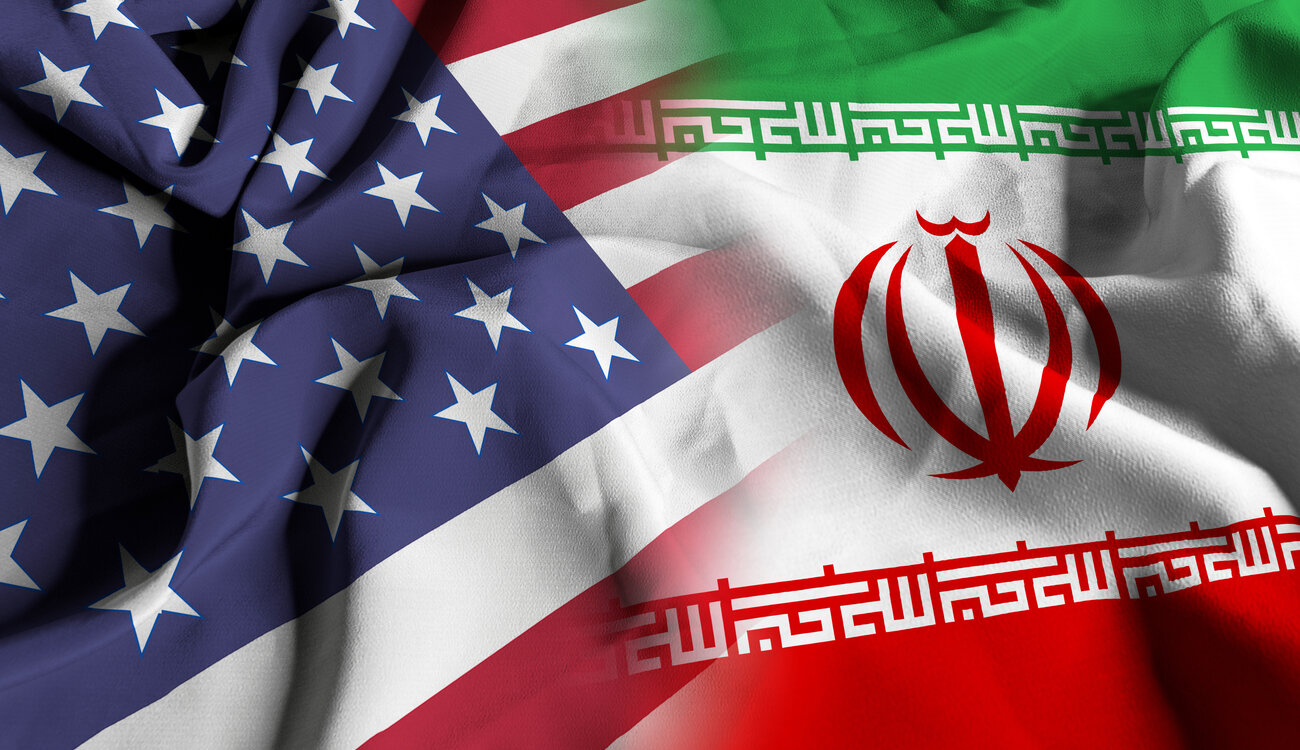
Iran’s Strategic Leverage Over the Strait of Hormuz
According to UATV: Iran possesses the technical capability to shut down the Strait of Hormuz, yet it opts for more nuanced forms of pressure. By controlling this vital maritime corridor, Tehran wields it as a tool to advance its political and economic agenda. Despite the option of mining the strait, Iran has no intention of pursuing that course of action. The Strait of Hormuz is a critical chokepoint for global oil shipments, making any disruption there a matter of international concern.
U.S. President Donald Trump has confirmed that negotiations between Washington and Tehran are ongoing, signaling a mutual interest in diplomatic resolution. International affairs expert Vyacheslav Likhachev commented:
'Iran is not mining the strait and has no plans to do so.' Vyacheslav Likhachev
This indicates that Tehran prefers to apply pressure through alternative means.
The Current Dynamics Around the Strait of Hormuz
Likhachev also noted that Iran could threaten the Strait of Hormuz with missile and drone strikes, which could serve as a key bargaining chip in international relations. He emphasized that:
'If the U.S. were to completely blockade the Strait of Hormuz, it would be shooting itself in the foot.' Vyacheslav Likhachev
Such a move could escalate the conflict, ultimately harming the U.S. economy and global stability.
The expert described the situation around the Strait of Hormuz as highly complex: 'This is an extremely difficult challenge, and I don’t yet see how the U.S. can resolve it easily or quickly.' As a result, Iran continues to leverage its control over this strategic waterway as a diplomatic tool, while refraining from extreme measures that could trigger a broader confrontation.
Iran’s current approach to the Strait of Hormuz highlights its ability to navigate international politics without resorting to open conflict, all while maintaining its influence. The ongoing diplomatic efforts between the U.S. and Iran may prove critical in preventing further regional tensions. The situation surrounding the Strait of Hormuz remains pivotal—not only for the directly involved nations but also for the global economy, given the waterway’s role as a key route for oil transportation.
Read also
- Iran Crisis Deepens: Why a Military Solution Is Inevitable, According to an Expert
- Why Rubio’s Call to Protect Shipping in the Strait of Hormuz Matters for Global Security
- Economics and Security Top the Agenda in Burnham-Trump Call
- Trump Endorses Sanctions and PAC-3 Licenses, Signaling a US Policy Shift on Ukraine
- Ukraine Secures Patriot License as Lockheed Martin Unveils $2 Million Missile
- Trump Urges Congress to Combine Russia and Iran Sanctions Into One Bill