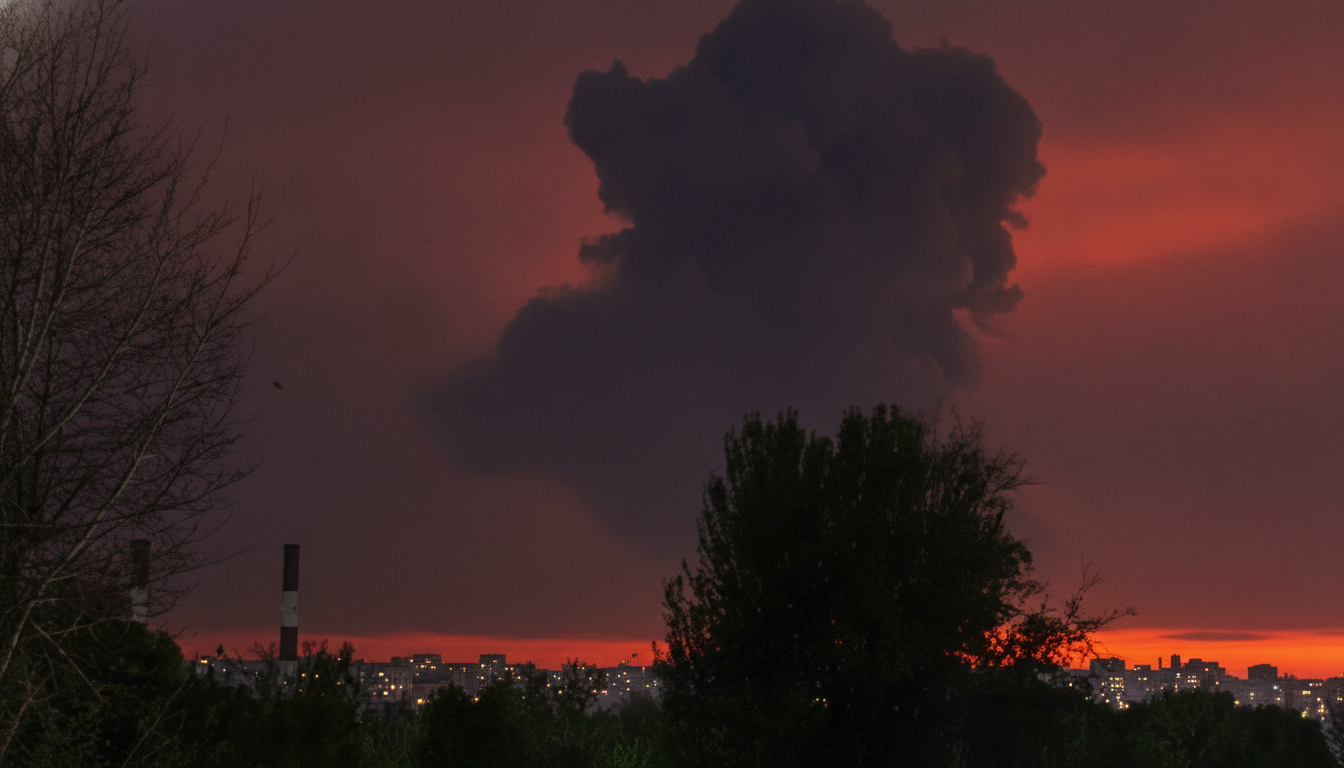
Iran Keeps the Strait of Hormuz Under Threat: Expert Warns of Shipping Risks.

Current Standoff in the Strait of Hormuz
According to UATV: Iran continues to disrupt maritime traffic in the Strait of Hormuz, leveraging missiles and drones to maintain pressure. According to expert Vyacheslav Likhachev, fully reopening the waterway is nearly impossible without gaining control over the surrounding land areas. Speaking on March 21 in an interview with FREEДOM TV, Likhachev highlighted that Iran operates hundreds—if not thousands—of small attack boats, which significantly complicates the situation.
The coastline along the Strait of Hormuz stretches for 200 kilometers. This critical chokepoint serves as a vital shipping lane, making its control a major strategic prize. Likhachev drew attention to Iran’s selective enforcement:
“Some vessels pass through the strait unhindered, under agreements with the Islamic Revolutionary Guard Corps, while others proceed entirely at their own risk.” — Vyacheslav Likhachev
This selective approach underscores the persistent dangers for maritime traffic and raises the potential for further escalation in the region.
- The United States has already destroyed several Iranian mine-laying vessels during its operations in the area.
- Likhachev noted that without ground control, “it is nearly impossible to fully neutralize Iran’s ability to launch drones and missiles.”
The expert also warned that “the blockade of the strait could drag on for a long time unless an effective political or military solution is found,” highlighting the complexity and many dimensions of this ongoing challenge.
Global Repercussions of the Conflict
The situation in the Strait of Hormuz carries enormous weight not just for Iran, but for the entire global economy, given that a substantial portion of the world’s oil shipments passes through this narrow passage. Any escalation in the region could trigger severe consequences for international markets and overall security. How Iran proceeds and how the international community responds to these threats will likely have a major impact on regional stability and global energy prices.
Read also
- Heavy Fighting in Donetsk Region: 19 Russian Assaults Recorded in a Single Day
- For the First Time, Ukraine’s Navy Granted Authority to Command NATO Mine-Countermeasure Forces
- Russia Seeks to Widen Combat Zones: Ukraine Stands Up Three New Brigades
- Russian Airstrike Hits Izium: Cargo Office of Nova Poshta Damaged by Guided Bomb
- Iran Blockades the Strait of Hormuz: Houthis Shut Down Bab el-Mandeb in 2026
- Five Fuel Trucks Destroyed in Ukrainian Strike on Russian Military Convoy in Luhansk