Iran in January 2026: Nationwide Unrest, a New Leader, and Peak Military Alert.

Nationwide Unrest and a Shift in Leadership
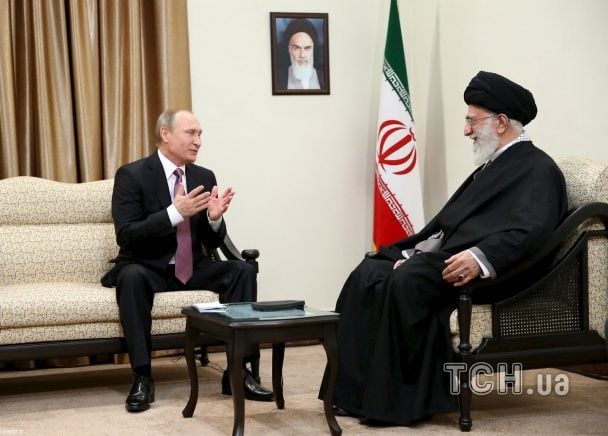
According to TSN.ua: January 2026 saw Iran engulfed by nationwide protests, the largest the country has witnessed in half a century. Amid this severe social upheaval, Supreme Leader Ali Khamenei transferred executive authority to Ali Larijani, the nation's top security official, who is now reported to be the country's de facto ruler. The protests, entering their 16th day, have reportedly resulted in thousands of potential fatalities. This internal crisis unfolds against a backdrop of long-standing tensions between Iran's theocratic government and segments of its population.
Iran's Military on Highest Alert
Concurrently facing external threats from the United States and Israel, Iran has escalated its military posture to an unprecedented level. The Iranian armed forces have been placed on their highest state of alert, with ballistic missile launchers deployed along the western border with Iraq. For several weeks, Iran has also closed its airspace to conduct missile tests. Further demonstrating its readiness, the country has carried out military exercises in the Persian Gulf, signaling its preparedness for potential adversarial actions.
In a public statement, Ali Larijani emphasized Iran's readiness to confront any challenges:
'We are prepared within our country. We are unquestionably stronger than before. We have been preparing over the last seven to eight months. We identified our weaknesses and rectified them. We do not seek war and will not start one. But if they (the U.S. and Israel) impose it on us, we will respond.' Ali Larijani
These remarks underscore the determination of Iran's leadership to defend its territory. Supreme Leader Ali Khamenei also expressed confidence in Iran's military might, stating that 'the world's most powerful army could receive such a slap that it would not be able to get back on its feet.' These comments highlight Iran's overall strategic stance amid rising international tensions and profound domestic instability.
The situation in Iran represents a volatile convergence of internal dissent, fueled by the protests, and external pressures from the U.S. and Israel. This dangerous mix could lead to further escalation as Iran attempts to solidify its position both domestically and on the global stage. Given these complex challenges, monitoring subsequent developments is crucial, as they are likely to have significant repercussions for regional security and stability.
Read also
- Congress restricts Trump's war powers after U.S. airstrikes on Iran
- Trump Announces Iran Regime Change: What We Know About the US Military Operation
- Brent crude tops $116 after Khamenei's death as Trump negotiates with Iran
- Trump Threatens Seizure of Iran's Kharg Island, Sets April 6 Deadline
- U.S. Wraps Up Iran Operation: Over 10,000 Strikes in a Month and Leader Killed
- Putin’s Grip Weakens: Approval Ratings Crash, Allies Fade, and the Army Bogs Down in Ukraine