U.S. Wraps Up Iran Operation: Over 10,000 Strikes in a Month and Leader Killed.

U.S. Military Campaign Against Iran
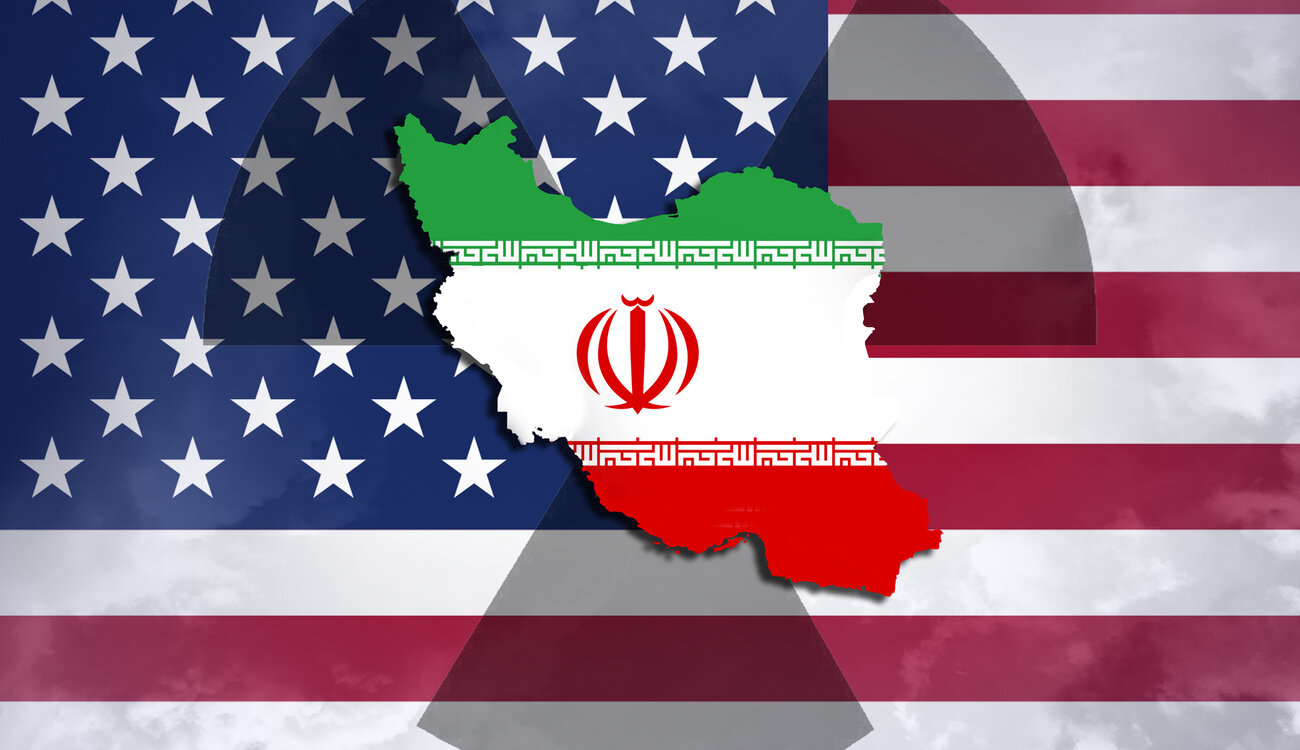
According to UATV: The United States is concluding its military campaign against Iran, which has involved more than 10,000 strikes over the past month. The operation's primary objective was to eliminate Iran's leadership, resulting in the death of Supreme Leader Ali Khamenei. Following his demise, Mojtaba Khamenei has assumed leadership of the country. The campaign, led by General Brad Cooper, is expected to finish within a few weeks.
In retaliation, Iran has launched attacks on neighboring nations, particularly the United Arab Emirates, which has endured over 2,000 assaults from Iran. These include nearly 400 missiles and more than 1,500 drones targeting UAE sites. The conflict has also driven global oil prices above $100 per barrel. The Strait of Hormuz, which handles up to 20% of the world's oil shipments, has become a key strategic flashpoint in the crisis.
International Reactions and Economic Fallout
Commenting on the situation, Donald Trump stated:
“We needed to get rid of the cancerous tumor.”Meanwhile, Benjamin Netanyahu emphasized:
“We killed the previous dictator, and the new dictator, Mojtaba, a puppet of the Islamic Revolutionary Guard Corps (IRGC), cannot appear in public.”Trump also warned that if Iran does not reopen the Strait of Hormuz without threats, the U.S. will strike their power plants.
The crisis has sparked international concern. Yvette Cooper voiced worries about longstanding ties between Russia and Iran regarding the shared use of military resources, noting: “We are deeply concerned about the long-standing connections between Russia and Iran in the joint use of military assets.” At the same time, Masoud Pezeshkian expressed gratitude for support, stating: “President Putin’s statements and the support of the Russian people inspire us in this war.”
The U.S. military operation against Iran carries far-reaching consequences for the region and the global economy. This ongoing conflict not only strains U.S.-Iran relations but also destabilizes neighboring countries like the United Arab Emirates. Rising oil prices due to threats in the Strait of Hormuz could impact global markets, underscoring the region's importance in the international economy. Meanwhile, the international community is alarmed by potential outcomes, including strengthened military cooperation between Iran and Russia, which could escalate the conflict further.
Read also
- Trump Delivers Speech on the National Mall as America Marks 250 Years of Independence
- Zelensky and Trump Hold 90-Minute Talks: Key Agreements Between the Two Leaders
- Putin and Trump Hold Hour-Long Call Focused on the War in Ukraine
- Hundreds of Thousands Gather in Iran for Khamenei’s Funeral: July 4 Date Was No Coincidence
- Trump and Zelenskyy Hold July 4 Call: Key Takeaways from the Leaders' Agreement
- At Mount Rushmore, Trump Warns of Communism and Urges Defense of American Liberties