Millions of American schoolchildren are losing recess: what it means.

According to Vox: This story originally appeared in Kids Today, Vox's newsletter about kids for everyone.
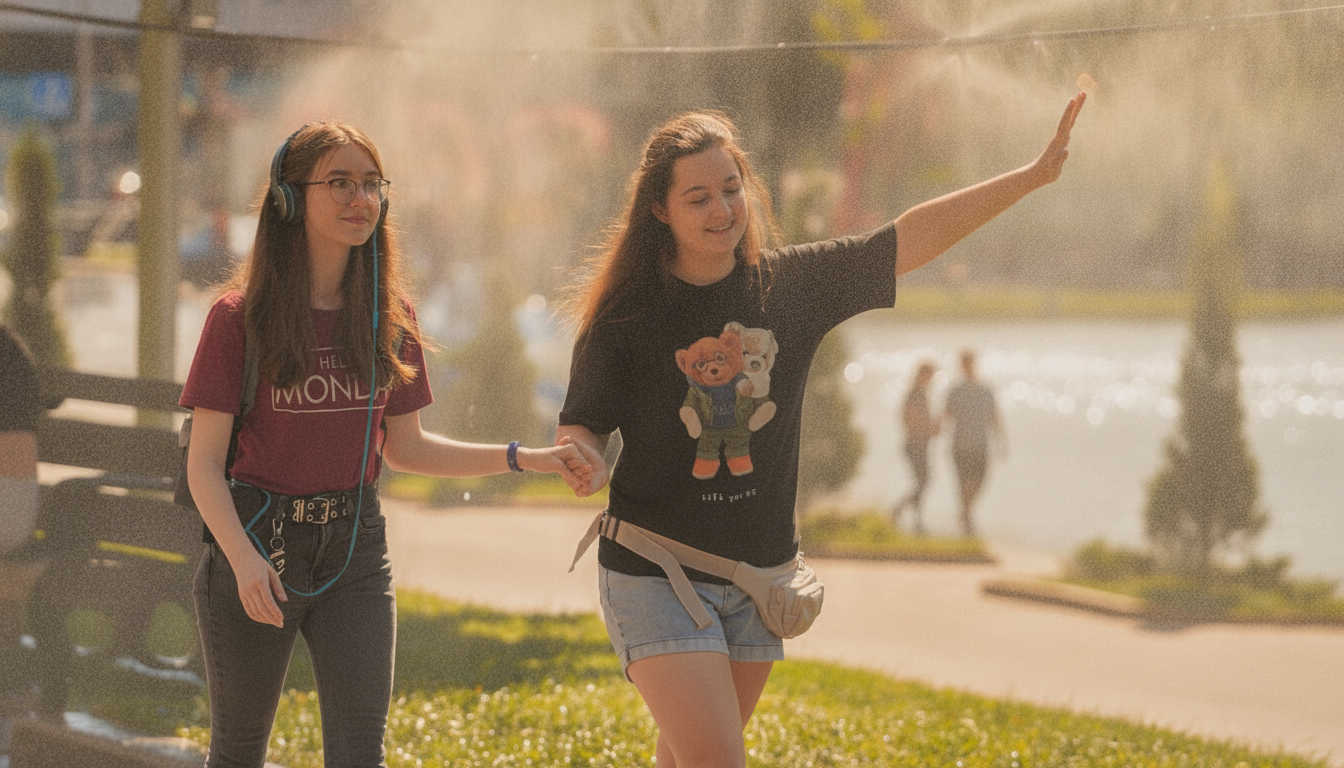
At around 10 a.m. on playgrounds across the United States, children are climbing on jungle gyms and sliding down slides. They are playing games of tag or four square, walking the track, and quietly chatting with friends.
These are the lucky ones. Recess, experts note, is one of the most important parts of the school day for a child.
“When kids play, especially outside, they feel joy, connection, and a sense of belonging to the school,” emphasized Elizabeth Cushing, CEO of the nonprofit organization Playworks. “That’s the experience we all want for them.”
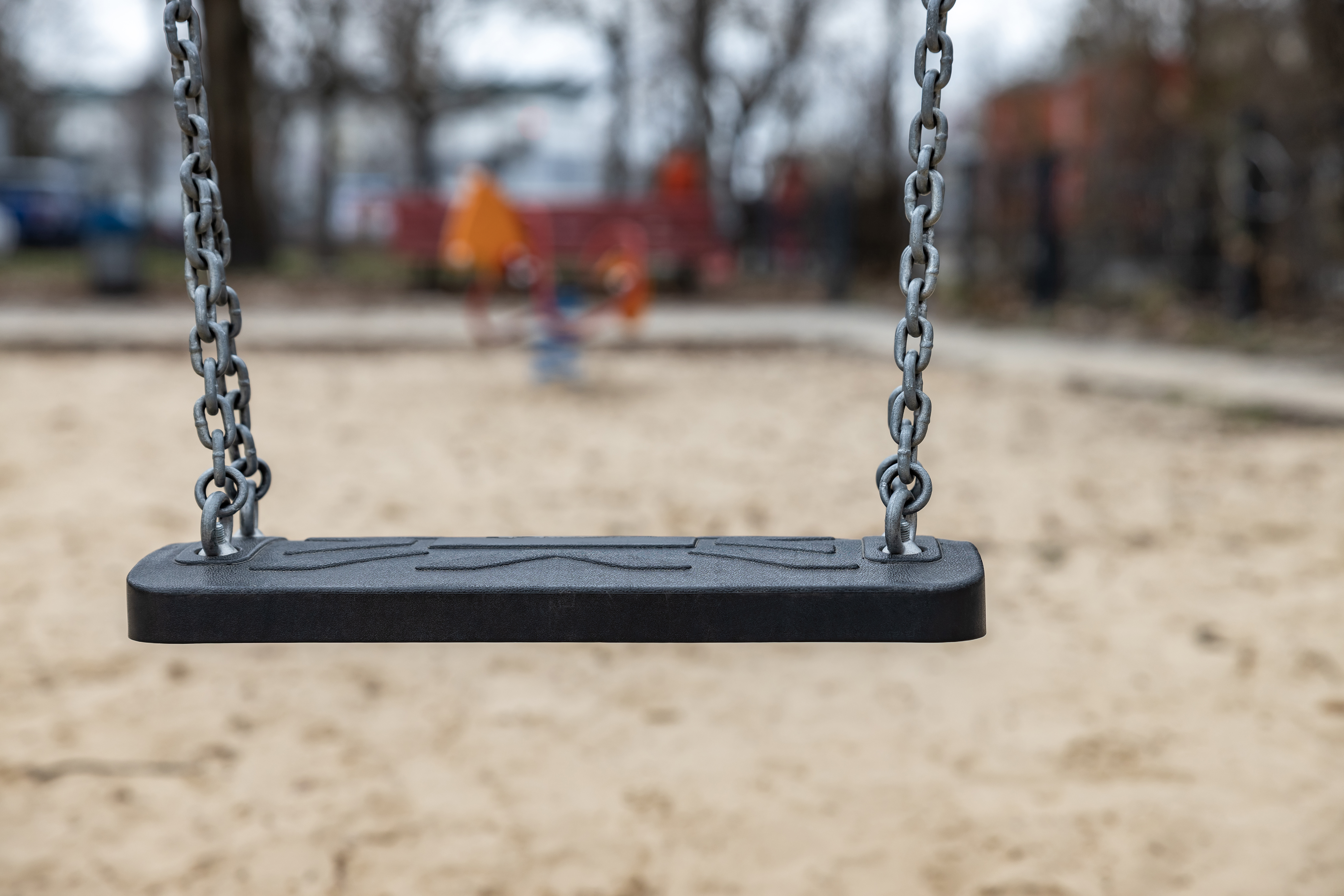
However, parents and advocates across the country note that too often, children are spending recess indoors, where they do not receive all the benefits of outdoor playtime.
In the western U.S., extreme heat is increasingly forcing children to stay indoors, highlighted Allison Pulos, a professor at Arizona State University. In one study conducted from July to September—Arizona’s hottest months—her team found that children were inside during recess about 40% of the time.
In colder regions, there are multiple factors: “We’ve heard principals say they don’t want kids to get the playground dirty,” recalled Shana Garner, the executive director of the organization Lift Every Voice Philly. “Some say there’s no staff. Others say kids don’t get along.”
When kids have recess indoors, they typically sit and often watch a movie, experts reported. In the Arizona study, children who spent recess in classrooms were less ready to learn than those who actually had the opportunity to play outside.
Why kids aren't going outside
Recess is not only a break from class; it is also an opportunity for children to practice social and emotional skills that they will need in life. During play, children learn “how to collaborate, how to communicate, how to resolve conflicts,” noted Rebecca London, a sociology professor at the University of California, Santa Cruz, who studies the issue of recess. They also learn to regulate emotions: “If I lost at a game, can I regroup and keep playing?”
Free play is extremely important for children's development, and for many of them, recess is “the only opportunity for unstructured play during the day,” London added.
Overall, recess has suffered after the introduction of standardized testing under the No Child Left Behind Act in 2001. Educators began to believe that children needed as much instructional time as possible to boost their scores. From 2001 to 2019, the average duration of recess decreased by 60 minutes to just 25 minutes per day.
Several states, such as California, have passed laws establishing a minimum time for recess for children, but they don't always require that this time be spent outside. Meanwhile, due to climate changes, extreme heat is becoming increasingly common, forcing children across the country to face temperatures above 100 degrees during recess. Many playgrounds are particularly difficult for play when it's hot; they often lack adequate shade and are made from materials like asphalt that can be hazardous, Pulos noted.
In many parts of the U.S., there is also the issue of poor air quality due to wildfires. In California, “there can be days or even weeks when kids cannot go outside due to bad air quality,” London said.
Unlike summer heat, winter temperatures in many parts of the U.S. are becoming milder. However, severe storms and unusual cold are also becoming more common, which can make it difficult to stay outside.
Temperature thresholds for outdoor recess vary from district to district and often remain at the discretion of individual school administrators. “I’ve been places where the cutoff is negative 35 degrees and also places where the cutoff is 10 degrees,” London explained.
Parents in some schools complained that even on mild winter days, children are not going outside. “There are constant excuses, whether it’s too wet or students don’t have proper clothing,” one mother recounted during a school board meeting in Worcester, Massachusetts, last spring.
In addition to the weather, schools sometimes face challenges in recruiting enough aides to supervise children outside. Supervisors during recess and lunch “are among the lowest-paid workers in the entire school system,” noted Garner.
Often “recess studies do not receive any training, no support,” Cushing said. When monitors are not trained in conflict resolution and games organization, scuffles become more common, and schools may keep children inside to limit chaos.
But the lack of training and attention to staff during recess reflects a broader undervaluation of children's fun and autonomy. Schools have lost “an understanding that kids want to play,” Garner summed up. Instead, “children need to be controlled.”
How to bring back recess
When kids are indoors, their play is seriously restricted, experts argue. Most elementary schools do not have gymnasiums, Pulos added. Instead, they typically stay in their classrooms, where they miss the opportunity to move, interact with kids from other classes, and choose where to go and what to do.
“Indoor recess is not the same as outside,” London confirmed.
Across the country, children from low-income neighborhoods, cities, and areas serving a larger proportion of families of color have fewer opportunities for outdoor recess than their peers from more affluent, suburban, or predominantly white areas, London noted. One 2019 study of Seattle public schools found: “White children generally receive more recess. Black children receive less.”
Nevertheless, activists and researchers are working to ensure outdoor recess—or at least reasonable active alternatives—for all children. Some schools in colder areas have large coverings on their playgrounds to protect children from rain, London noted. Such coverings can also be built in high-temperature areas to provide shade.
Arizona State University is collaborating with the city of Tempe and other groups to plant trees in school yards. Meanwhile, some schools are removing asphalt and replacing it with native plants or alternative surfacing. If recess must take place indoors, principals give students a bit more freedom by designating certain classrooms for specific activities and allowing students to move between them, Pulos added.
In addition to improving conditions, simple training for supervisors during recess can help reduce the number of conflicts, Cushing reported. Even simple measures like using 'rock, paper, scissors' to resolve disputes can help reduce conflicts.
When school leaders see the benefits of a well-organized recess, including a quicker return of students to class, “they are more likely to take a drizzle,” Cushing noted.
Others are calling for policy changes at the district level. In Philadelphia, the organization Lift Every Voice has called for the end of 12 harmful practices in schools, including the deprivation of recess.
For Garner, this issue is simple: “Kids are kids; they should be treated as people, not robots.”
Thus, the question of recess accessibility continues to be relevant. Observations show that children who have the ability to play freely outdoors not only perform better academically but also develop vital social skills. Activity during recess should be a priority for schools to ensure the healthy development of future generations.
Read also
- Easy Pickled Tomatoes for Winter: The Perfect Brine Recipe Using 1 Liter of Water
- A 15-Minute Dinner That Feels Like a Feast: Carbonara-Style Potatoes with Bacon and Cream Sauce
- A Quick 5-Minute Homemade Gravy: Simple Ingredients, Big Flavor
- Hairstyles That Wreck Fine Hair: Top Mistakes to Avoid
- Fight Dust with Liquid Glycerin: A Simple Pharmacy Find That Transforms Your Cleaning Routine
- Kyiv Region Braces for a Warm June 11: Temperatures Set to Reach +28°C