Why Kyiv's Red Metro Line Opened in 1971 with Just Three-Car Trains.

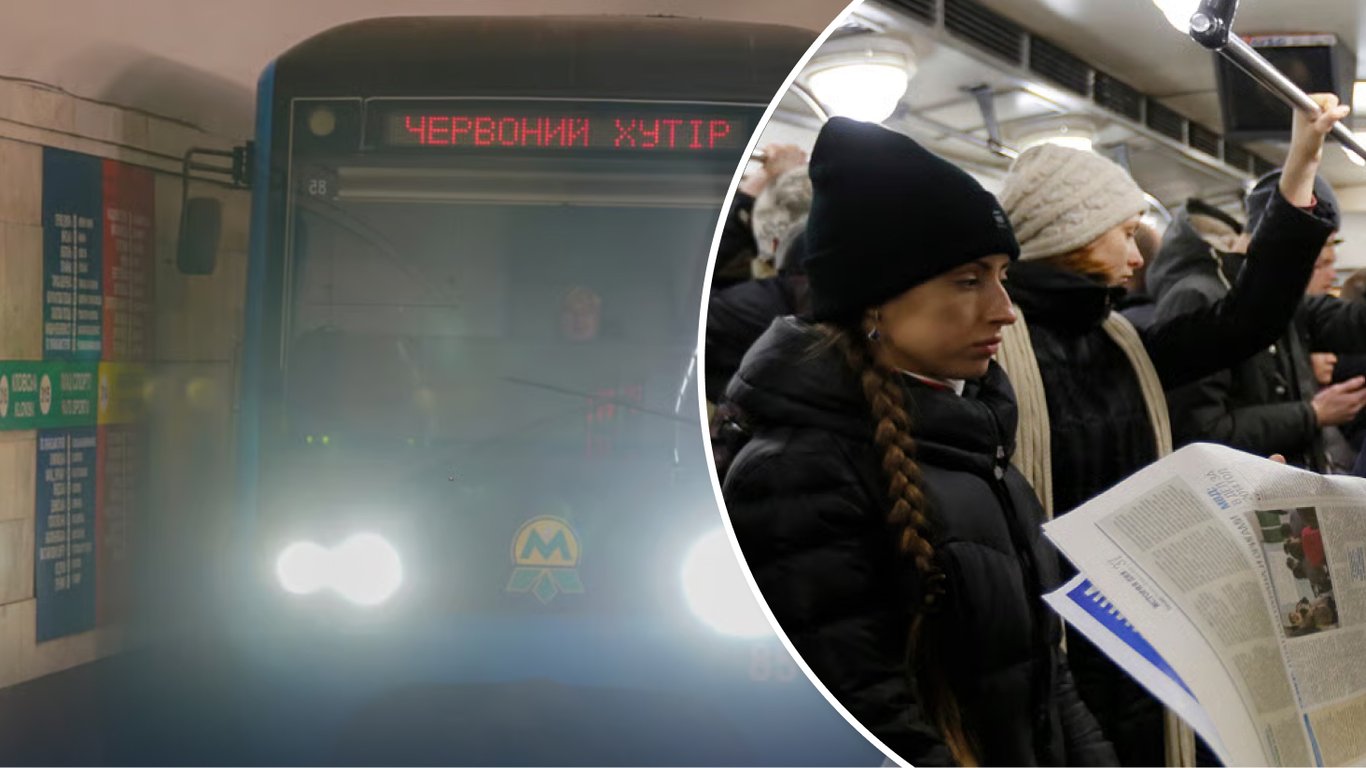
The History of Kyiv's Red Metro Line
According to Novyny.live: The construction of the Red Line of the Kyiv Metro, a major project for the Ukrainian capital's transport network, began in 1949. It represented a significant step in modernizing the city's public transit. On November 5, 1971, three new stations were inaugurated: 'Zhovtneva' (now 'Beresteiska'), 'Nyvky', and 'Sviatoshyn', further enhancing Kyiv's transportation options for its growing population.
Unique Features of the Red Line
A defining characteristic of this line is the steep 90-meter elevation change between the 'Sviatoshyn' and 'Nyvky' stations. This gradient, combined with a short reversing track at the 'Sviatoshyn' terminus, initially forced a unique operational constraint. For safety and operational reasons, trains were limited to just three cars, which unfortunately restricted passenger capacity during peak hours. This early design quirk is a fascinating piece of engineering history for transit enthusiasts.
By the early 1970s, this limitation was overcome, and four- and five-car trains were introduced, dramatically increasing the line's capacity. This upgrade allowed for faster and more convenient travel, cementing the metro's popularity among Kyiv residents. The development of the Red Line marked a pivotal moment for the Kyiv Metro system, which remains a vital part of the city's infrastructure today.
The Red Line now serves thousands of passengers daily, standing as a crucial artery in Kyiv's transport network. Its ongoing development and rolling stock upgrades over the decades have greatly enhanced urban mobility and helped reduce road congestion. As cities worldwide prioritize sustainable transit, the metro's role is increasingly important, offering a far more eco-friendly alternative to private car travel. Thus, the Red Line continues to be integral not only to Kyiv's infrastructure but also to its sustainable urban development.
Read also
- Civilian Casualties in Ukraine Hit Record Highs, UN Reports: A Closer Look at the Shift
- Fare rates for transportation in Kyiv have tripled: how the war is changing the transportation reality
- No Rental Security for Displaced People: Landlords Can Change Terms at Any Time
- Veterans in Zaporizhzhia Get a New Gym: Inside Ukraine’s Effort to Support Its Defenders
- Andrii Kroka Takes Command of the 155th Brigade: What We Know About the New Leader
- Europe Scorches Under 50°C Heat: Excess Deaths Reported Across All 27 EU Nations