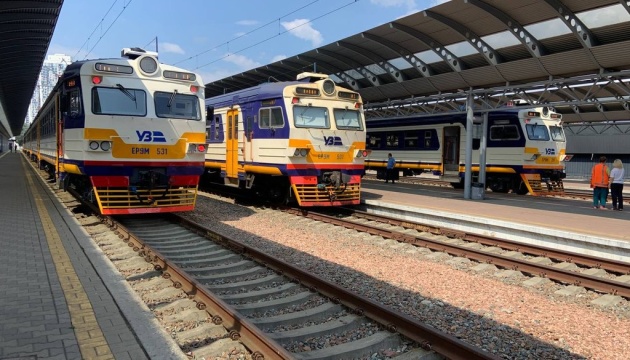
Fare rates for transportation in Kyiv have tripled: how the war is changing the transportation reality.


Increase in fare rates for transportation in Kyiv
According to Укрінформ — Транспорт: In Kyiv, there has been an increase in fare rates for transportation, which has caused significant socio-economic consequences in the context of the war. The new rates have risen from 704 hryvnias to 2640 hryvnias per month, which will significantly impact citizens' budgets. Considering that two-thirds of public transport passengers in Kyiv are beneficiaries, this decision has caused outrage among the population, which is already facing financial difficulties.
The fare increase occurred in the summer of 2026, while the average salary in Kyiv allegedly increased to 47000 hryvnias. However, experts say that this rise in costs, particularly for transportation,
“will hit a third of public transport users hard”as noted by Oleksandr Hrechko. Vitaliy Dudin added that such a multiple increase in fares could provoke social tension. He also emphasized that
“people in the budget sector often earn between 8000 and 12000 hryvnias”, making the new rates especially hard for many.
Social consequences of the fare increase
In response to the fare increase, a protest took place on July 14, 2026, outside the Kyiv City State Administration. People are demanding better conditions for using public transport, as “unfortunately, the city offers no alternatives or tangible improvements in services,” stated Oleksandr Hrechko. Such events force passengers to reconsider their routes, which may lead to a shift to private minibuses, a return to personal vehicles, changes in rental geography, and the decline of suburbs.
The rise in fare rates in Kyiv has sparked serious discussions among experts, who predict that this decision may have long-term implications for urban infrastructure and social stability.
This increase in fare rates may become a catalyst for change in the capital's transport policy. If the protests continue, authorities may have to reconsider their decision to avoid a social explosion. In conditions of economic instability, such decisions are particularly sensitive to the population and may lead to further social protests and calls for changes in the city's transport system.
Read also
- Kyiv Electric Train Prices Increase from July 22: Fare Will Rise to 37 Hryvnias
- Russia Fines Residents for Storing Gasoline in Garages Amid Fuel Shortages
- Why Internally Displaced People in Ukraine Can't Get Mortgages: A Key Obstacle Identified
- Attacks on Ukrainians Surge in Poland: Hate Crime Numbers Jump 30%
- Civilian Casualties in Ukraine Hit Record Highs, UN Reports: A Closer Look at the Shift
- No Rental Security for Displaced People: Landlords Can Change Terms at Any Time