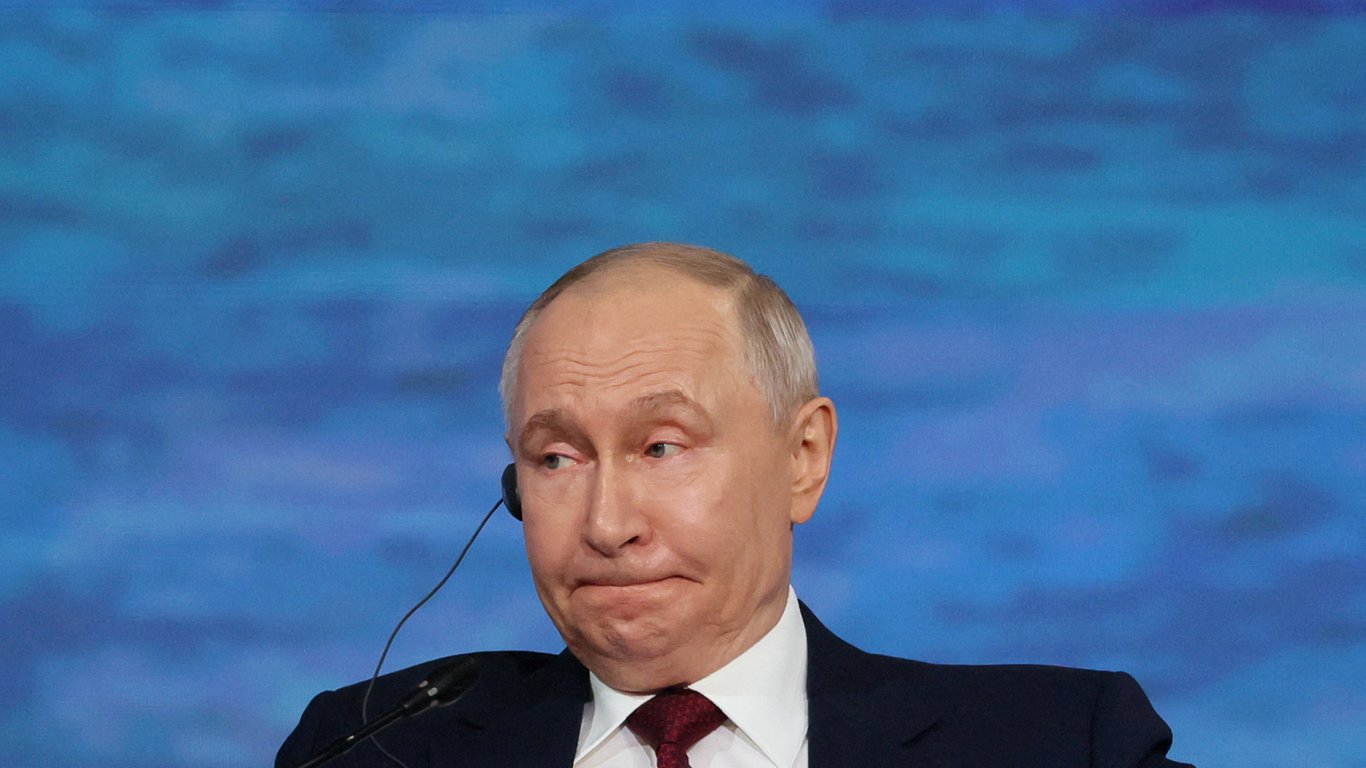
Why a Weakened Russia Serves Beijing's Strategic Aims in the Ukraine War.

China's Stance on the Ukraine Conflict
According to TSN.ua: China does not support a scenario where Russia achieves a decisive victory or suffers a clear defeat. Instead, Beijing has a vested interest in seeing Russia weakened while ensuring Ukraine retains access to the Black Sea. Maintaining this balance of power in the region is critical for protecting China's own economic and strategic interests.
Beijing seeks neither a Russian victory nor a Russian collapse, as a significant shift in the Black Sea's power dynamics could harm its economic goals. China's growing leverage is evident in its commercial dealings; for instance, Chinese suppliers have increased prices for fiber-optic cables for Russian companies by 2.5 to 4 times. As analyst Vadym Denysenko notes,
"Beijing needs a weak Russia, with a Moscow-centric power structure that is oriented toward China."This situation allows China to enhance its regional influence by promoting a certain level of stability that serves its purposes.
China's Assertive Role in Global Diplomacy
Furthermore, Denysenko points out that
"China will never play second fiddle in negotiations led by the United States."This underscores Beijing's ambition to occupy a leading, active position in international diplomacy, particularly concerning the war in Ukraine. While China could participate in peace talks, Denysenko adds that "they need to understand the configuration" first, indicating Beijing's cautious and calculated approach to any mediation role, aimed at safeguarding its strategic regional interests.
Consequently, China continues to pursue a cautious policy designed to preserve the balance of power in the Black Sea region while simultaneously fostering Russian dependence. This calculated position could significantly impact the future course of the conflict and the shape of international relations in the area.
As the war in Ukraine persists, China's stance influences dynamics not only around the Black Sea but also within the broader global economic and political order. Regional stability aligns with Chinese interests, allowing it to consolidate its positions and expand its influence. Meanwhile, Russia's growing reliance on China may gradually reorient Moscow's foreign policy, which could, in turn, affect its relationships with other major powers, including the United States and European nations. For Western observers, this highlights how Beijing views the conflict primarily through the lens of its long-term competition with Washington.
Read also
- A New Russian Garrison Rising Near Finland’s Border: What It Means for Regional Security
- Ukraine's Military Tech Surge: 175 New Weapons Systems Approved in One Month
- Massive Russian Protests Could Erupt Over Conscription, Says Former CIA Analyst
- Zelenskyy Confirms Strike on Cheboksary Plant as Ukraine Hits Military and Oil Facilities
- U.S. Warns Cuba of Military Conflict Over Drone Purchases: Key Details
- What We Know About the Searches on the Mindich Tapes Figure Veselyi