How Chinese Auto Giants Building Factories in Europe Could Reshape EV Prices.

Chinese Automakers Establish a Foothold in the European Union
According to Novyny.live: Chinese car manufacturers are pivoting their approach by setting up production facilities within the EU. This shift is driven by European tariffs and environmental subsidies, both of which significantly impact their operations. As part of this strategy, several Chinese brands have announced major investments in new plants across various EU member states. This marks a notable escalation in the global automotive industry's push toward localized manufacturing.
Major Investments and Production Milestones
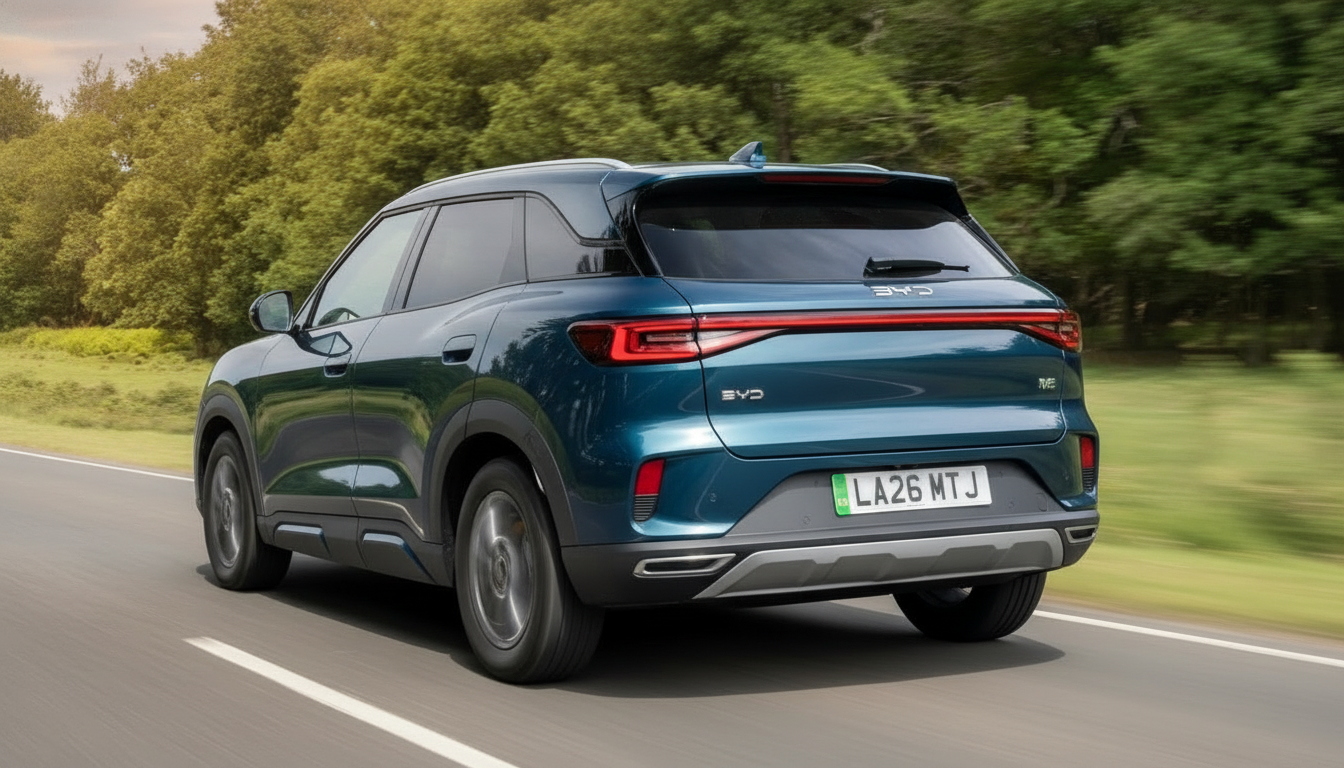
MG is putting 200 million euros into a new factory in Galicia, Spain, with plans to reach an annual output of 120,000 vehicles by 2028. Meanwhile, BYD is actively expanding in Europe and finalizing preparations for its facility in Szeged, Hungary. Mass production at this new plant is slated to begin by the end of 2023. Thanks to environmental incentives, the starting price for a base BYD model could drop below 17,000 euros, making the brand far more appealing to European buyers.
- Chery and EV Motors aim to produce 150,000 units annually by 2029 at their Barcelona plant.
- Leapmotor also plans to start manufacturing, utilizing the Stellantis facility in Zaragoza starting in 2026.
- Xpeng has struck a deal to assemble its G6 and G9 crossovers at the Magna plant in Graz, Austria.
In this way, Chinese automakers are adapting their strategies to compete effectively in the European market, leveraging new production bases and taking advantage of green subsidies. These developments could have a profound impact on the EU auto industry, particularly by intensifying competition and accelerating the adoption of new technologies.
This trend highlights the deepening integration of Chinese automotive brands into the European market, a shift that could fundamentally alter the competitive landscape.
Opening new factories will not only boost manufacturing capacity but also allow Chinese companies to offer more competitive prices through localized production and the use of environmental subsidies. This may also force European manufacturers to adapt to the new market conditions by improving product quality and innovation.
Read also
- Trump Says Talks Possible as Oil Prices Crash After US and Iran Halt Attacks
- Sanctions Disguise Airline Bankruptcies as Rostec Plans a Restructuring of Russian Aviation
- Drone Strikes on CPC Terminal Drive Kazakhstan's Daily Oil Output Down to 133,200 Metric Tons
- Partial Restoration of Gasoline Output at Russian Refineries After Drone Strikes: 30-40% Capacity Recovered, but Full Repair Deemed Unlikely
- New U.S. Tariffs Hit 60 Nations: Here Are the Rates for the EU and Russia
- Russia’s Oil and Gas Revenue Set to Surge by 60%—Here’s What’s Driving the Jump