A Former NASA Engineer's Quick Trick for Defrosting Your Windshield.

The Fast Windshield Defrosting Technique
According to Novyny.live: Mark Rober, a former engineer at NASA, has revealed a wintertime method for rapidly clearing ice from a car's windshield without needing a scraper or chemicals. This approach is grounded in the principles of physics and offers drivers an efficient way to handle the problem of a frozen windshield. Rober is well-known for his popular science and engineering videos that often apply high-level concepts to everyday situations.
Steps for Effective Defrosting
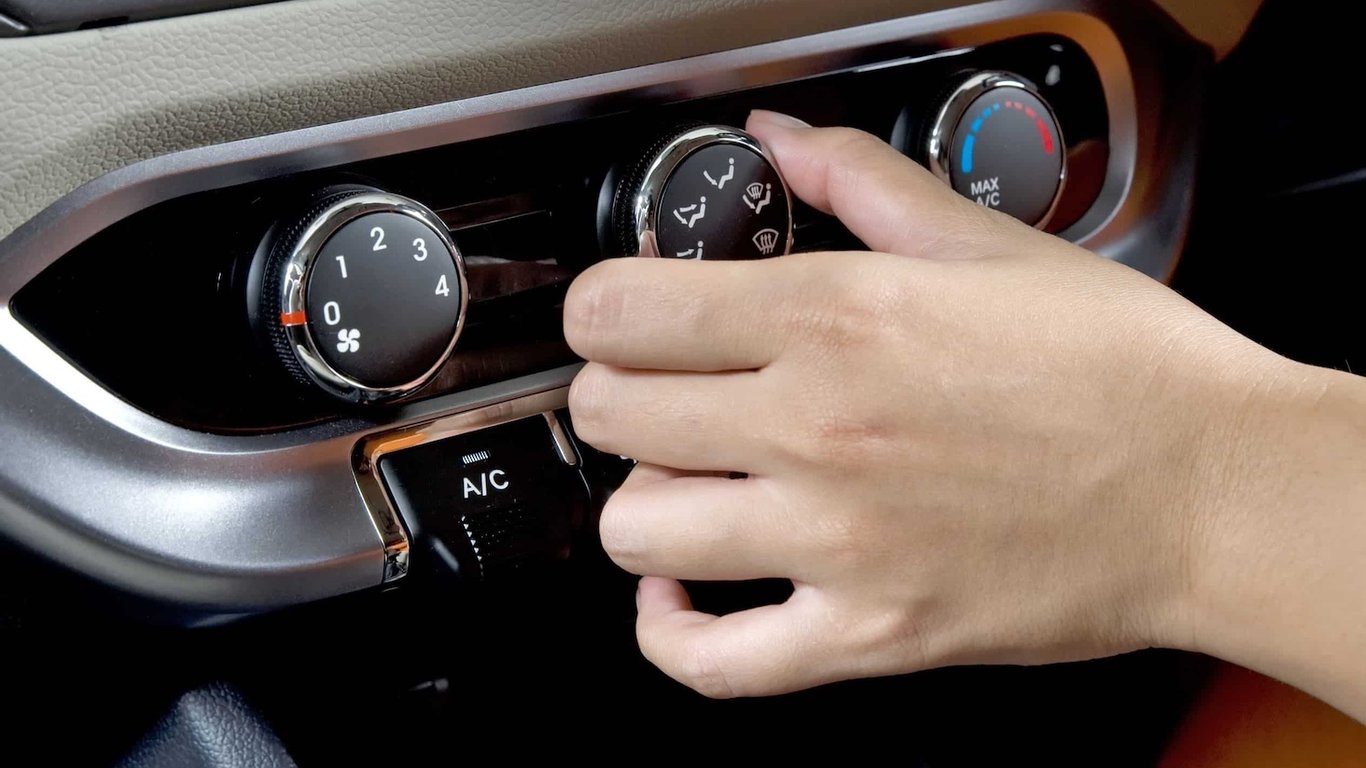
To achieve the best results, it's crucial to use warm, dry air. You should turn your car's heater to its highest setting, which will generate the necessary temperature to melt the ice. Activating the air conditioning is also important, even in cold weather, because it helps reduce the humidity level inside the vehicle.
For better air circulation, you should turn off the recirculation mode. This allows fresh, dry air from outside to enter the cabin more effectively. Opening the windows slightly can also be beneficial, as it lets in fresh air to aid the defrosting process. By following these straightforward recommendations, drivers can clear their windshields quickly and safely, making winter travel much easier.
This method, proposed by Mark Rober, can be a useful tool for drivers, especially under harsh winter weather conditions.
Mark Rober
Applying fundamental physics to solve a common nuisance highlights an innovative approach to daily tasks, which can save drivers both time and effort. It also underscores how understanding basic scientific principles can have practical benefits, potentially improving road safety during the winter months.
Read also
- First-Ever U.S. Manufacturing of Ukrainian MAGURA Drones: Key Details Emerge
- Google to Build America's Largest Solar Farm: 2.5 GW Facility to Power Data Centers
- Turn Your Old Phone Into a Smart Display: Inside the New ScreenWall Web Platform
- Speed Record Set by Bombardier Global 8000: Los Angeles to Farnborough in Just 8 Hours 46 Minutes
- A New Augmented Reality Platform Lets You Read and Build 3D Comics
- How Artificial Intelligence Is Unlocking Billions in Real Estate Value