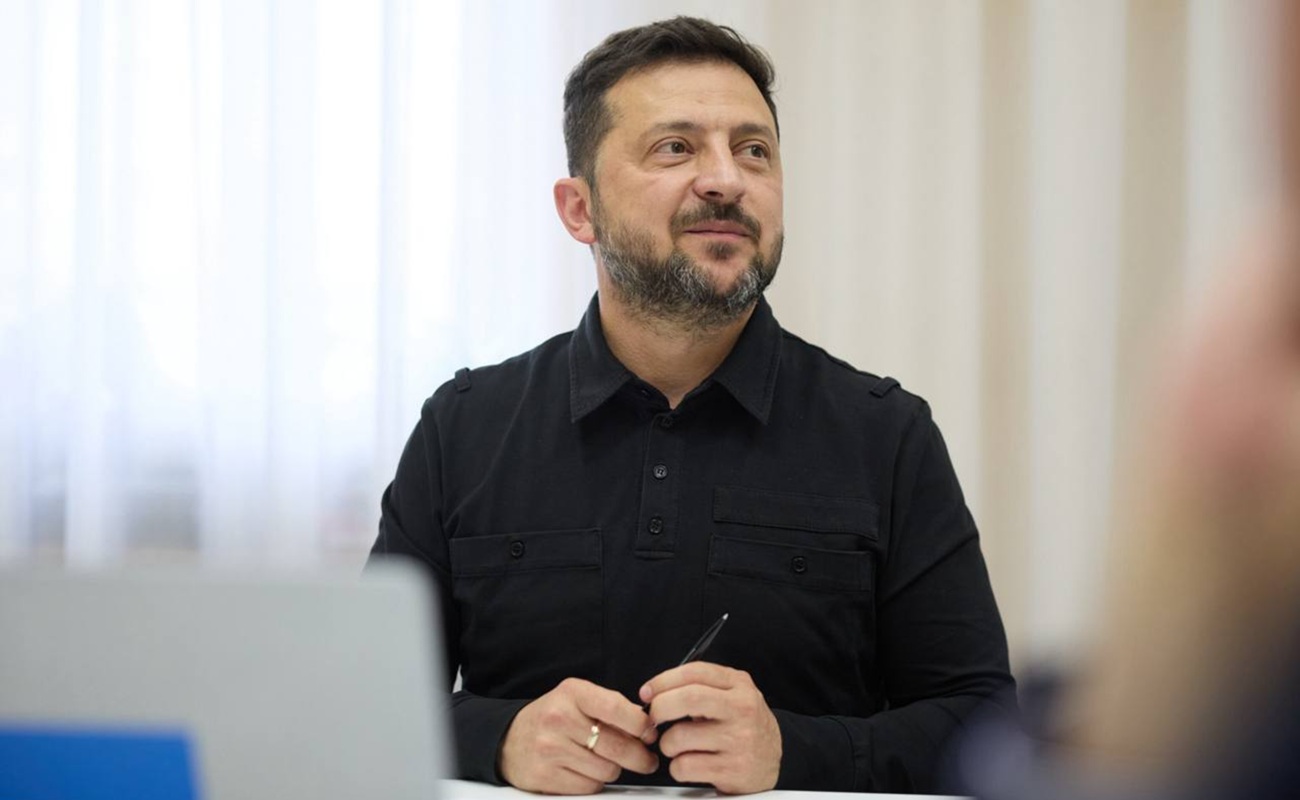
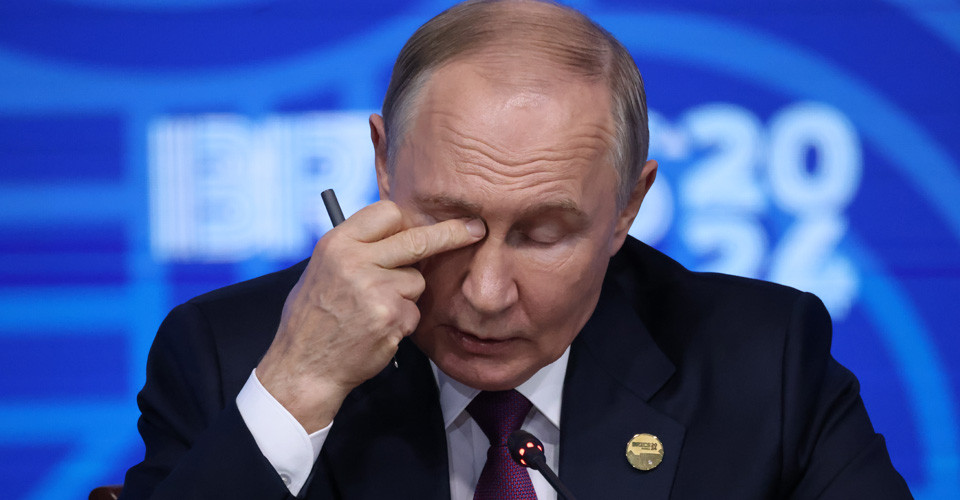
Russia Refuses US Talks as Middle East Crisis Derails Ukraine Peace Efforts.

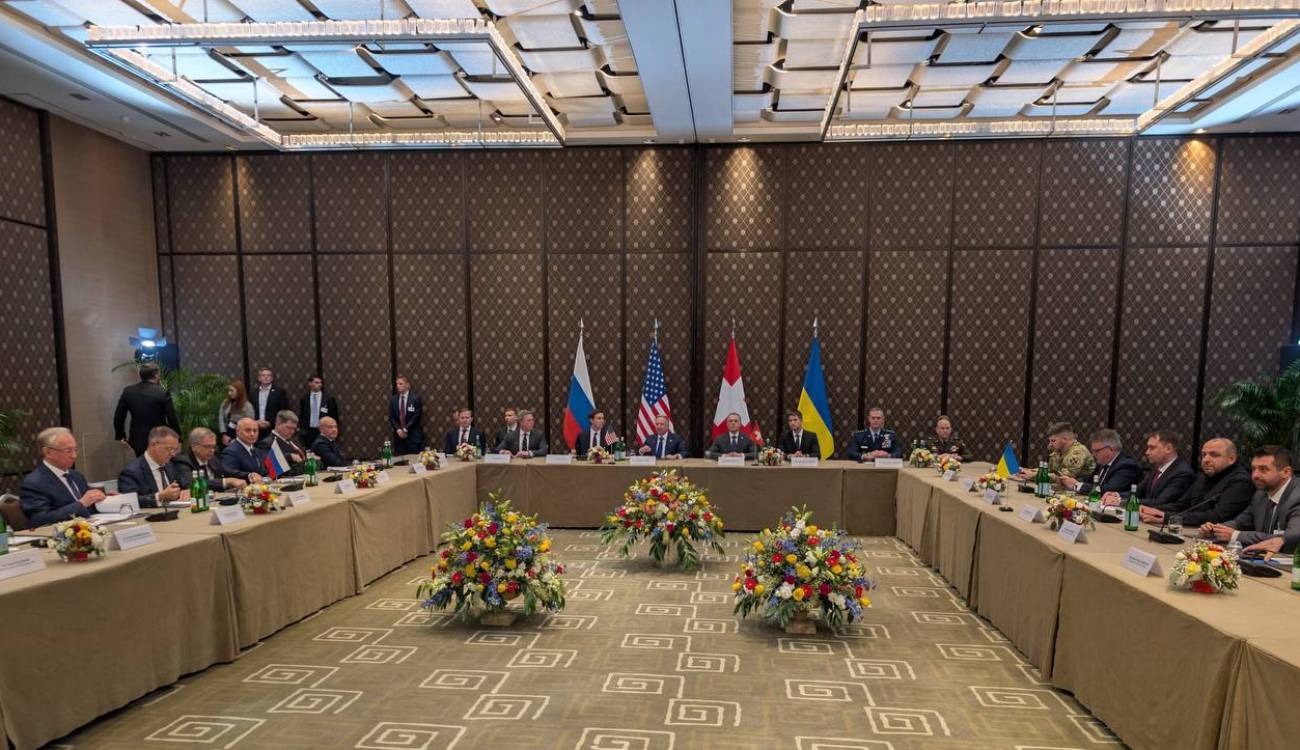
How the Middle East Conflict Is Disrupting Ukraine's Peace Negotiations
According to UATV: The escalating crisis in the Middle East has thrown a wrench into Ukraine’s peace process, particularly derailing planned trilateral meetings between Ukraine, the United States, and Russia. Washington proposed hosting the talks on American soil—a move Kyiv quickly endorsed. But Moscow flatly rejected the idea, refusing to attend negotiations in the US.
International relations expert Oleksandr Leonov pointed out that
“the situation in Iran is certainly affecting the peace talks”and stressed that
“the main holdup in the peace negotiations is directly tied to this situation.”This highlights how external conflicts in other regions can seriously complicate the path to a peaceful resolution in Ukraine.
The European Union holds firm to the principle of 'nothing about Ukraine without Ukraine,' underscoring the necessity of Ukrainian involvement at every stage of the talks. Meanwhile, President Volodymyr Zelenskyy has voiced optimism about ending the war, signaling his country's readiness for dialogue and a search for solutions.
Global Dynamics and Their Ripple Effects on Ukraine
Discussions among world leaders—including a meeting between Friedrich Merz and Donald Trump following Merz’s trip to China—show that broader political currents are also shaping Ukraine’s situation. Leonov noted that
“Merz received a very warm welcome in Beijing,”which may reflect active diplomatic maneuvering that influences international support for Ukraine.
As a result, today’s global challenges, especially conflicts in the Middle East, are directly impacting peace negotiations in Ukraine. This demands close attention and decisive action from all parties involved.
These events underscore the importance of the global context in peace talks, as international conflicts can distract key players and make compromises harder to reach. Ukraine’s situation remains highly sensitive to shifts in the foreign policy landscape, requiring Ukrainian leaders and their allies to adapt quickly to new realities. Proactive diplomacy and steadfast backing from international partners could prove decisive in advancing the peace process.
Read also
- Zelenskyy Welcomes UK’s New Prime Minister: Who Is Andy Burnham?
- UK’s New PM Andy Burnham Pledges Ukraine Support in First Call with Zelensky
- Zelenskyy Meets Corps Commanders: What’s Changing for Ukraine’s Military Supply Lines
- Zelenskyy Holds First-Ever Corps Commanders Meeting at Supreme Headquarters: Key Outcomes
- Zelenskyy Holds Special Staff Meeting: Weapons and Gear the Army Needs Right Now
- Kremlin Plans to Draft Over 500,000; Men of Conscription Age Advised to Leave Russia Before Autumn