Ukraine's Counterintelligence Disrupts Russian Strikes by Uncovering 130 Spy Networks.

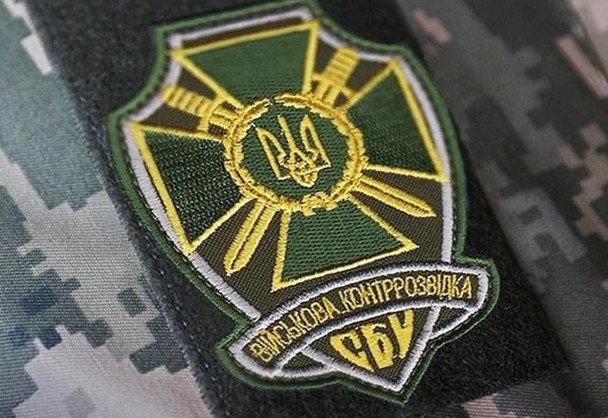
Ukraine's Security Service Counterintelligence Efforts
According to TSN.ua: Ukraine's Security Service (SBU) is actively undermining the effectiveness of Russian missile strikes by dismantling enemy intelligence networks. Since the full-scale invasion began, approximately 130 such networks involving nearly 600 agents have been exposed. This ongoing effort is critical for national defense, as without it, the enemy's attacks would inflict far greater damage. As noted by Oleksiy Kurpas,
"counterintelligence is currently one of the SBU's key and most effective components".
Recent personnel changes in the SBU's leadership are strengthening its counterintelligence focus, which experts say is having a positive impact on the country's security. The SBU's strategy involves systematically destroying entire networks rather than just individual cells, making it significantly harder for Russia to quickly rebuild its intelligence channels in both frontline and rear areas.
Agent Detentions and Leadership Appointments
Among the significant recent operations conducted by the SBU are:
- the detention of agents in the Lviv region;
- the arrest of a Russian agent in Kyiv;
- the capture of an FSB coordinator who was assisting in the bombing of Sloviansk.
The appointment of Oleksandr Poklad as First Deputy Head of the SBU is viewed by analysts as a move to further reinforce the counterintelligence direction. These measures help mitigate risks for Ukraine and elevate the overall level of security in the nation. The SBU's work is a crucial part of Ukraine's wartime defense, targeting the spies who enable Russian targeting.
Identifying and neutralizing Russian agent networks is vital for protecting Ukraine's national security during the ongoing war. The strengthening of the SBU's counterintelligence arm, alongside strategic personnel changes, demonstrates a serious commitment to combating external threats. This systematic work not only reduces the likelihood of successful enemy attacks but also helps bolster public trust in state institutions during these challenging times.
Read also
- Canada’s Carney Signals a Shift in Trump’s Stance on Ukraine: What the New Aid Package Could Look Like
- G7 Leaders Agree to Boost Ukraine’s Air Defenses and Transfer Missile Production Licenses
- Trump Shifts Attention from Iran to Ukraine: What Lies Ahead for Kyiv After the Deal
- Belarus Leader Apologizes to Zelenskyy and Admits Vulnerability to Ukraine: What’s Behind the Shift?
- Ukraine's Prosecutor General Announces Special Investigation into Yanukovych and 16 Former Officials
- NATO Pushes for 5% GDP Defense Spending by 2035: What It Means for Ukraine