Gulf States Push Washington to Intensify Strikes Against Iran.

Rising Tensions in the Persian Gulf
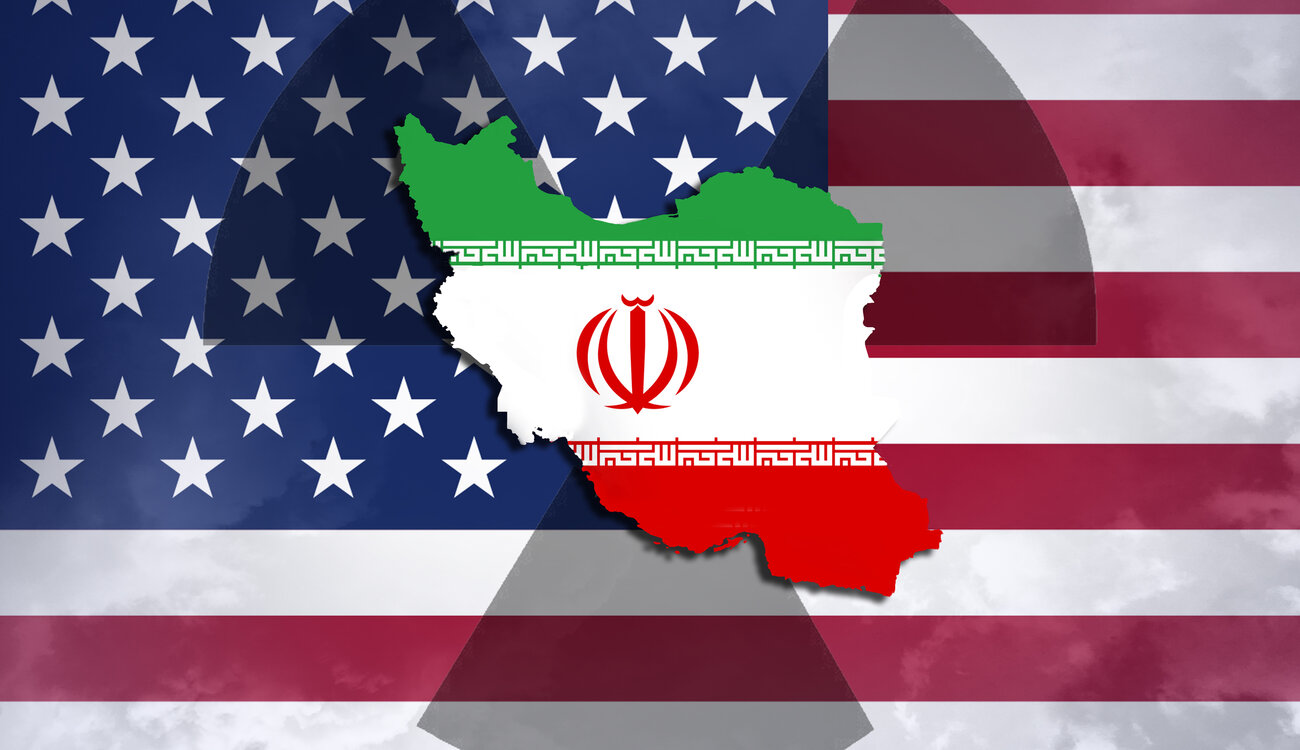
According to UATV: Several nations in the Persian Gulf—including the United Arab Emirates, Saudi Arabia, Bahrain, and Qatar—have urged the United States to maintain its military campaign against Iran, aiming to leave Tehran weakened in the ongoing conflict. These governments want Iran to emerge from the confrontation in a diminished state, citing Iranian attacks on civilian targets and infrastructure within their own territories.
In response to U.S. actions, President Donald Trump issued a 48-hour ultimatum for Iran to reopen the Strait of Hormuz. Tehran quickly pushed back, warning that if the situation escalates, its targets would include:
- American energy infrastructure in the region;
- Information and technology infrastructure;
- Desalination facilities.
These developments highlight the deepening standoff between Washington and Tehran, as well as the active role Gulf states are playing in shaping the crisis. The region remains on edge as both sides trade threats and counter-threats.
Conflict Escalation
Tensions are now escalating across the region, with potential repercussions that extend far beyond the Gulf states. Given the strategic importance of the Strait of Hormuz for global oil shipments, any further deterioration could threaten international energy markets and overall security. The growing aggression from both parties risks sparking new confrontations that would destabilize the regional economy and political landscape.
Read also
- 50% Tariffs Imposed by Trump on Canadian Goods: Automobiles, Alcohol, and Dairy Hit Hard
- Trump Denies Netanyahu Arrest in US as ICC Warrant Looms Over Israeli PM’s UN Visit
- What Trump and the UK’s New Prime Minister Discussed in Their First Call
- Iran Faces US-Israel Ultimatum: Accept a Ceasefire or Prepare for Joint Military Action
- Iran Crisis Deepens: Why a Military Solution Is Inevitable, According to an Expert
- Why Rubio’s Call to Protect Shipping in the Strait of Hormuz Matters for Global Security