Russia Plans 2026 Reserve Call-Up to Offset Heavy Ukraine War Losses.

Russia's Reserve Mobilization: A Response to Military Casualties
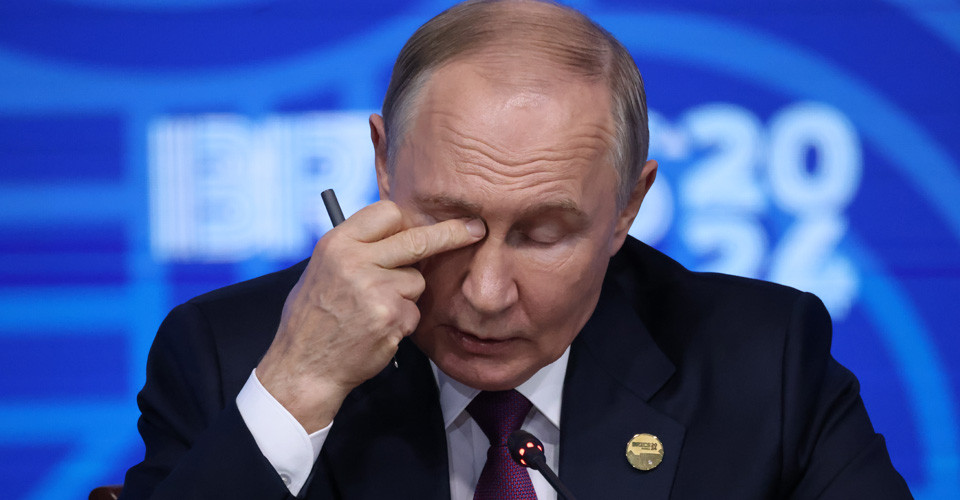
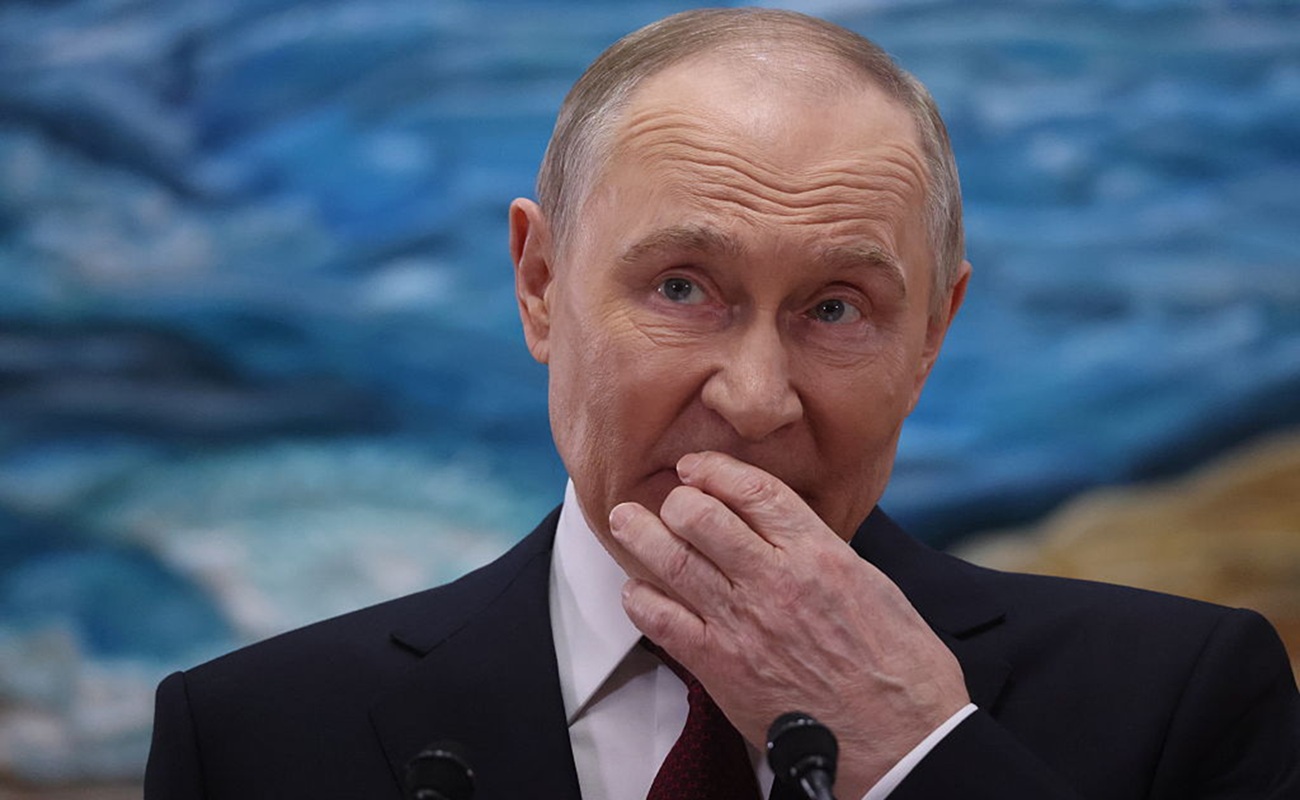
According to UATV: The Kremlin is preparing to call up reservists in 2026, a move analysts link directly to the substantial losses sustained by Russian forces in Ukraine. The protracted conflict has drained military resources while yielding few tangible battlefield gains, forcing Russian military planners to seek new manpower solutions. This planned call-up highlights the severe strain on Russia's military capacity after years of high-intensity warfare.
Russian army casualties have outpaced the rate of mobilization, creating a critical personnel shortage. Compounding the problem, desertion rates have hit record highs. A presidential decree signed by Vladimir Putin in November 2025 authorized the year-long call-up of reservists, underscoring the gravity of the manpower crisis. These measures indicate the Kremlin is scrambling to reinforce its military in the face of continuous attrition.
Tightening Mobilization Controls and Societal Reaction
On February 18, 2026, Russia's State Duma passed a bill imposing harsher penalties for draft evasion. This legislative step reveals the government's intent to tighten control over the mobilization process and deter attempts to avoid service. The authorities recognize that each new wave of conscripts is vital for maintaining combat potential, but public willingness is a growing concern.
Experts offer varied assessments of Russia's current predicament.
Ilya Kotov noted: 'The moment popular messaging apps were blocked is an indicator of preparation.'This suggests increasing official anxiety over the information space and control of public discourse. Meanwhile,
The Economist points out that 'the blame lies with one man. Vladimir Putin has trapped himself of his own free will.'This view emphasizes the leadership's direct responsibility for the current situation.
Friedrich Merz also shared his observations, stating: 'When I look at this regime and this blind terror, I have little hope.' This reflects a pessimistic outlook on the future, as the situation both domestically and on the front lines remains tense and uncertain. The war's prolonged nature continues to shape both military strategy and internal politics.
Consequently, the Kremlin is activating measures to mobilize reservists in response to the severe challenges confronting the Russian army. The planned 2026 call-up, stricter penalties for draft dodging, and rampant desertion are all indicators of a dire situation requiring urgent remedies. These steps are part of a broader pattern of adaptation to a war that has proven far more costly and protracted than initially anticipated.
The reserve call-up situation underscores profound problems within Russia's military sphere, stemming from the prolonged war in Ukraine. The government is attempting to adapt to constantly shifting conditions while accounting for potential internal social tensions related to conscription. These measures could significantly impact public opinion and political stability, as mounting losses and restrictions on free speech fuel growing unease among the population.
Read also
- Russia Planning a New Fall Mobilization: When Recruits Could Reach the Front Lines
- Feigin Reveals Putin's Litmus Test: When Mobilization Plans Will Become Clear
- Putin Now Acknowledges Ukraine's Strength, Says Former Polish Defense Minister, Marking a Turning Point in the War
- Feigin Reveals Who Arranged Melnychenko's Interview and Why Russian Oligarchs Are Fleeing
- Putin’s Approval Rating Plunges to 66% as Russia’s Fuel Crisis Worsens
- Why Russia Sees Turkey as a Viable Negotiation Hub: Three Key Reasons